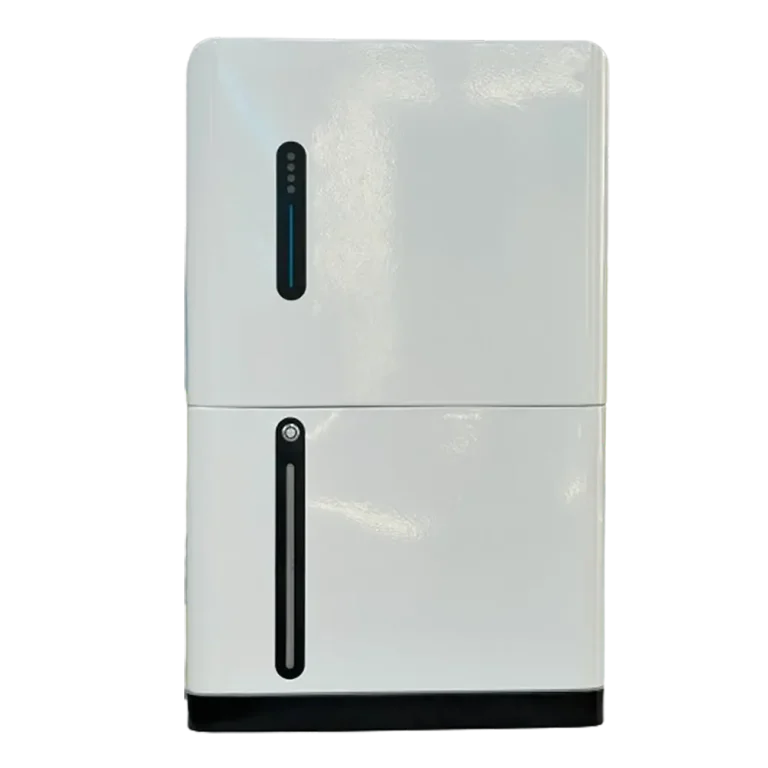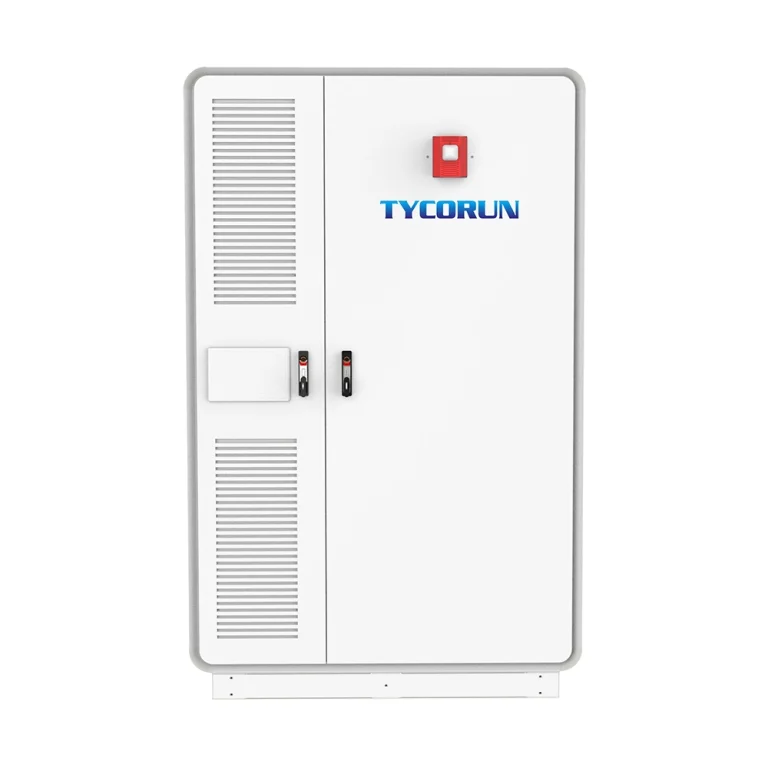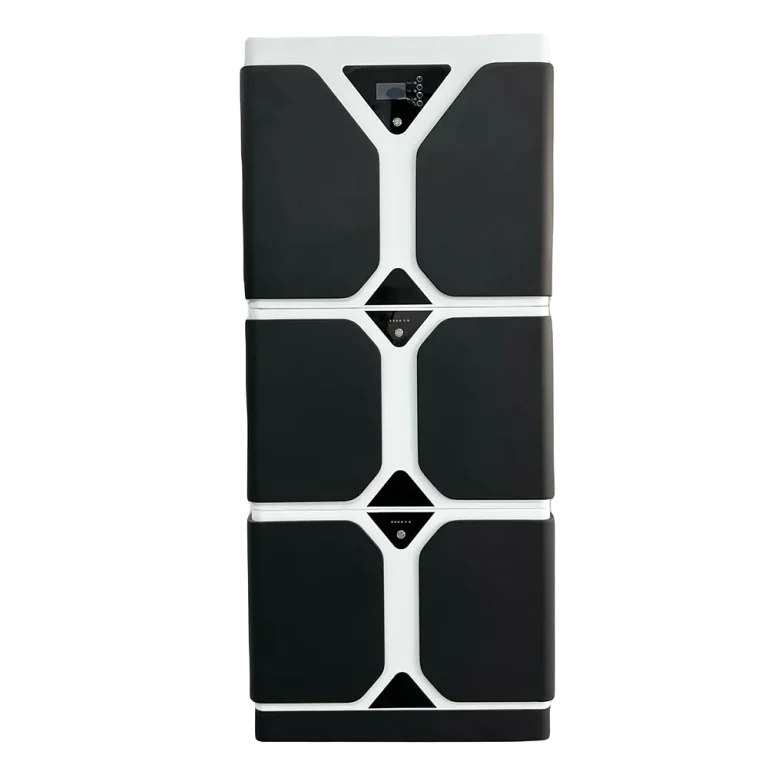
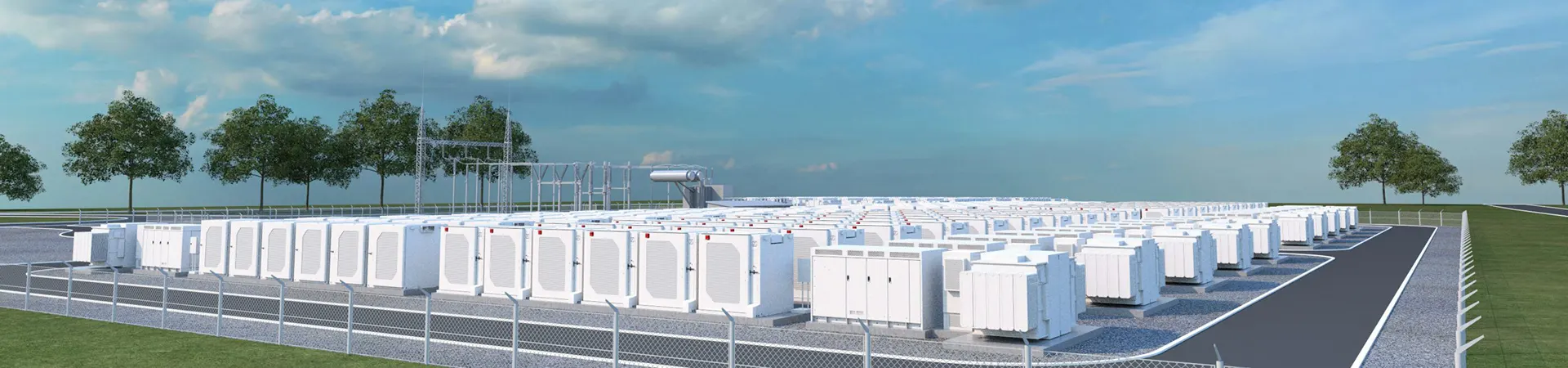


Industrial and commercial energy storage is a bridge connecting the power generation side and the user side to maintain the stability of the power grid.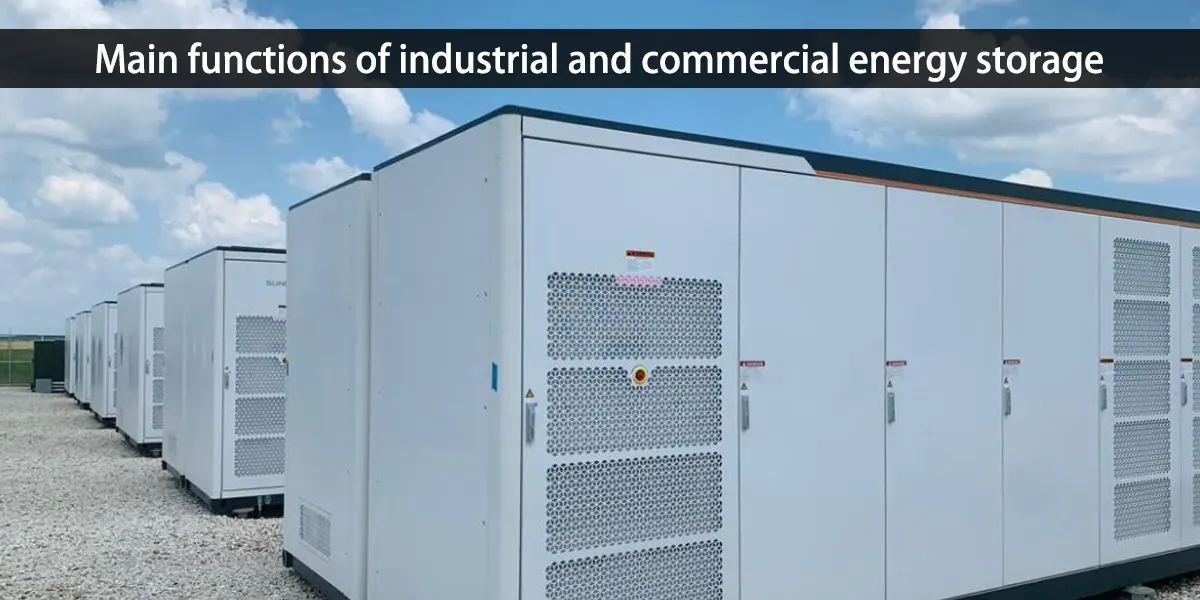
Power generation is intermittent and volatile. As the proportion of new energy power generation increases, the volatility on the power generation side can easily impact the stability of the power grid.
In addition, with the popularity of electric vehicles and the gradual deepening of industrial digitalization, user-side loads will continue to increase.
● Separate configuration of energy storage
There are two main considerations for industrial and commercial users to configure separate energy storage: one is to save electricity costs for enterprises by peak shaving and valley filling; the other is to use energy storage as a backup power supply just like ups lithium battery ,in case for need.
● Optical storage (charging) integration
Judging from the actual implementation of previous optical storage (charging) integration projects, integration generally appears with charging stations. Integrated photovoltaic storage and charging integrates photovoltaic power generation, energy storage, charging and other functions.
Solar energy is converted into electrical energy through a solar roof system, and the electrical energy is stored for daily charging of electric vehicles.
The application of energy storage makes it possible for user-side self-use, improves the self-use rate of distributed photovoltaics, and can also alleviate the impact of high-current charging at charging piles on the regional power grid.
● Microgrid
Microgrid is a localized small-scale power generation and distribution system with its own power generation capacity, mostly industrial park microgrids, island microgrids, and microgrids in remote areas.
Microgrids can operate independently of the main grid or in conjunction with the main grid. For microgrids that operate independently of the main grid, energy storage can smooth new energy generation and use as backup power. For grid-connected microgrids, energy storage can achieve energy optimization, energy conservation and emission reduction.
For factories, industrial parks, charging stations, commercial buildings, data centers, etc., distributed energy storage is a necessity.
They mainly have three types of needs: cost reduction in high energy consumption scenarios, integration of optical and storage to increase the proportion of green electricity usage, and transformer expansion.
Let’s take a look at the demand for energy storage in factories, charging stations, commercial buildings, data centers and other scenarios:
● Cost reduction in high energy consumption scenarios
Electricity bills are a large cost item for industry and commerce, and data center electricity costs account for 60%-70% of operating costs %, as the peak-valley difference in electricity prices widens, these companies will be able to significantly reduce electricity costs by shifting peaks and filling valleys.
● Integration of photovoltaic and storage increases the proportion of green electricity usage
The EU’s imposition of carbon tariffs will cause major industries to face large cost increases when entering the European market. Every link in the industrial chain production system will have demand for green electricity, and the cost of purchasing green electricity is not small.
Therefore, a large number of foreign factories are building their own “distributed photovoltaic + distributed energy storage”. You can click our top 5 latest photovoltaic energy storage products in China to learn more.
● Transformer capacity expansion
It is mainly used in charging piles, especially super fast charging piles and factory scenarios. In 2012, the charging power of electric vehicle charging piles was 60 kilowatts.
Now it has basically increased to 120 kilowatts, and is developing towards 360 kilowatts super fast charging piles. Under this charging power, ordinary supermarkets or charging stations do not have extra transformers available at the grid level.
Because it involves the expansion of the transformer capacity of the grid, energy storage needs to be used to replace it.
Directly facing end customers, highly dispersed, customer acquisition channels are the key to layout. Industrial and commercial energy storage belongs to user-side energy storage.
Most of the projects are based on direct sales. End customers face diverse usage scenarios and needs. The installation process is cumbersome and highly professional.
In addition to the battery storage system design, the customer acquisition channel is also the key that companies need to layout.
At present, there are four main types of channels for industrial and commercial energy storage:
First, comprehensive energy service companies; second, distributed energy developers; third, electricity sales companies; fourth, electric power EPCO (power consulting and design, equipment services, installation and construction, maintenance and operation). ).
These four types of companies are closest to users on the industrial and commercial side. They understand users’ energy needs and production conditions, have established a solid cooperative relationship, and have a deeper understanding of the scenarios.
In terms of products, product design solutions with wider coverage and more complete service functions can adapt to the diverse needs of industrial and commercial users. These are also one of the important means for enterprises to compete for industrial and commercial market share.
Companies currently entering the industrial and commercial track have begun to think about the characteristics and core of the industrial and commercial energy storage track.
The modular and intelligent functions of new industrial and commercial energy storage products have begun to appear.
Modularization refers to the independent design of software and hardware with the energy module as a unit, which can be freely matched and flexibly deployed according to different application scenarios. Modular energy storage has become increasingly popular in the market.
The biggest feature of the industrial and commercial energy storage market is the flexible and changing user needs. Therefore, in terms of product design, entrants need to consider product diversification and adaptation. The operation link is one of the biggest risk points for industrial and commercial energy storage.
Operation management capabilities are a key factor in ensuring that energy storage power stations can obtain long-term benefits.
The business model of industrial and commercial energy storage is not to sell cabinets separately, but to integrate them into comprehensive service solutions in a way that reduces users’ overall electricity costs.
It is wise to obtain benefits from many aspects: for example, it not only realizes peak and valley arbitrage, but also reduces users’ basic electricity bills, etc. The sales model is not product-based.
Therefore, the biggest risk for industrial and commercial energy storage actually comes from the operation link. Whether it is changes in electricity market prices or changes in user production loads, the uncertainty of future energy storage investment increases.
Therefore, operation management capabilities are to ensure that energy storage power stations can obtain key factors for long-term returns include post-operation and maintenance management, monitoring and troubleshooting.
In addition, now that the safety situation of electrochemical energy storage is relatively severe, more companies entering the industrial and commercial energy storage track should strengthen energy storage safety control and form truly competitive products.
In the future, as industrial and commercial energy storage systems enter office buildings and factory areas, safety will still be one of the important keys to whether industrial and commercial energy storage can open up the market.



 +86 – 18925002618