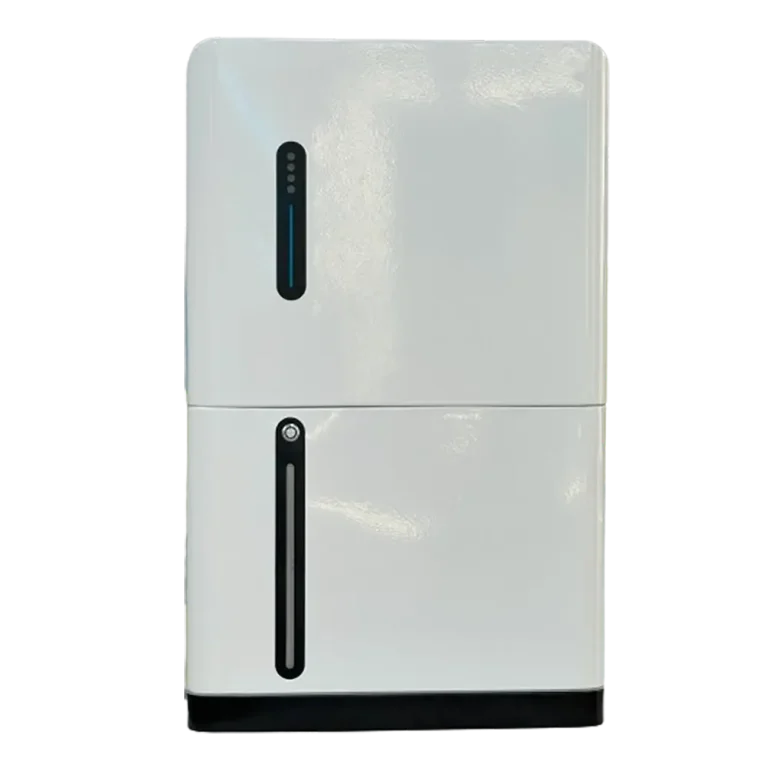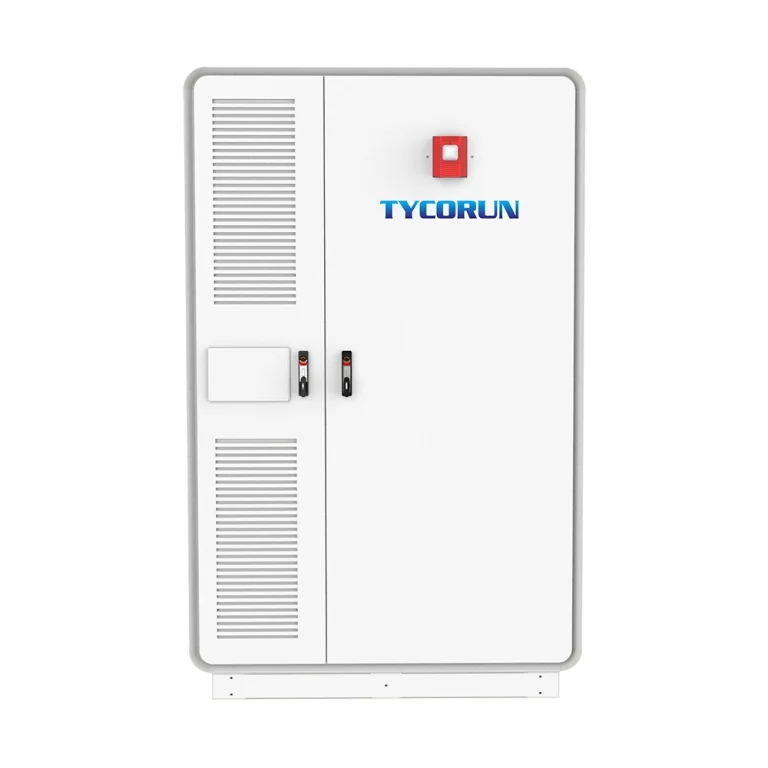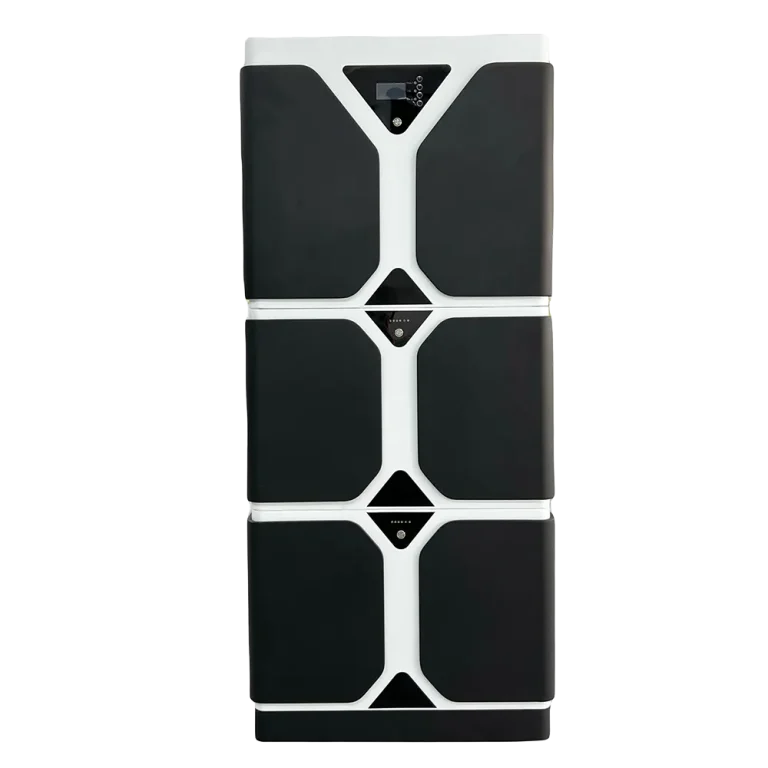


Distributed energy is an energy supply method that is arranged on the user side and integrates energy production and consumption. It can provide users with multiple energy supplies of hot, cold, and electricity. It has the characteristics of local utilization, clean and low carbon, multiple interactions, flexibility and efficiency. .
Distributed energy storage is a link in the distributed energy system. With the booming development of smart grids, renewable energy power generation, distributed power generation and microgrids, and electric vehicles, a large number of distributed power sources are connected to the distribution network; and problems such as randomness and high load caused by distributed systems require corresponding energy storage technology to provide solutions.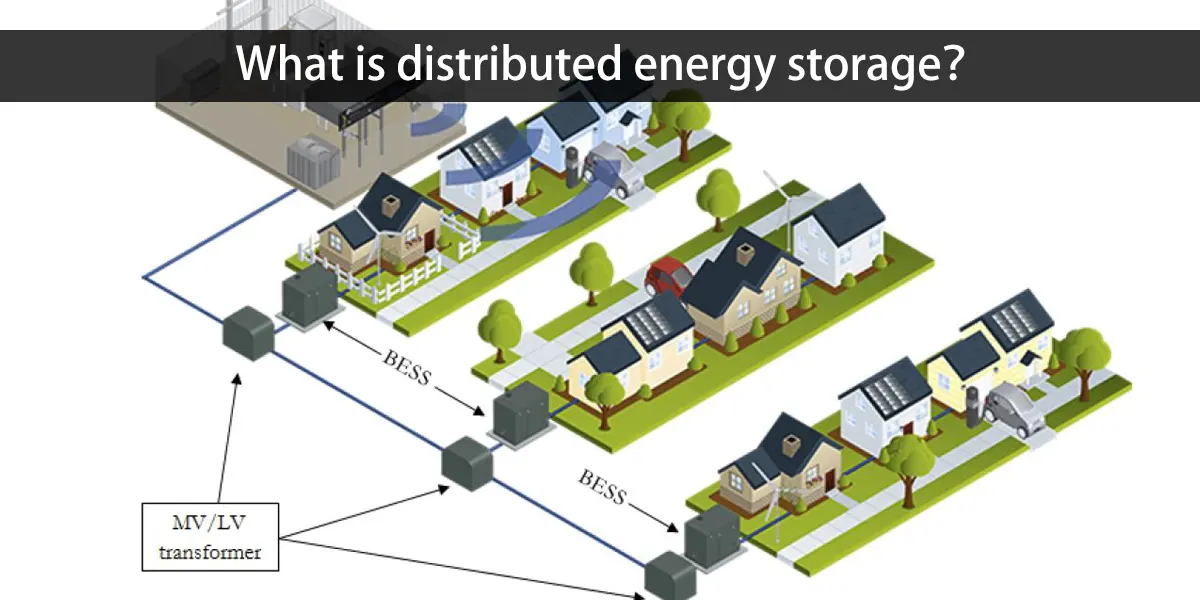
The emergence of distributed energy storage technology has provided strong support for the development of renewable energy storage, and its application prospects are very broad.
(1) Popularization of renewable energy. One of the important applications of distributed energy storage technology is to solve the fluctuation problem of new energy. Distributed energy storage technology can store excess electrical energy for emergency use. And through intelligent dispatching systems, the utilization rate of renewable energy can be improved and effective storage can be achieved, thereby reducing energy storage costs.
(2) Power grid dispatching. Distributed energy storage technology can also be combined with grid dispatching to achieve balanced and optimized operation of the grid. During peak periods or when energy is insufficient, electric energy is stored and supplied through energy storage equipment to meet the needs of the grid; during peak and valley curve periods, electric energy can be stored and supplied to the grid to promote balanced distribution of electric energy.
(3) Microgrid. Distributed energy storage technology improves the reliability and stability of microgrids and can also reduce microgrids’ dependence on traditional energy sources. In the microgrid system, distributed energy storage technology serves as the central energy storage component to ensure the normal operation of the microgrid by storing and supplying electrical energy.
(4) Transportation field. The large-scale application of electric vehicles will have a significant impact on the transportation field and will also place higher demands on energy. Distributed energy storage technology can store excess electric energy, supply electric energy to electric vehicles, and ensure the stable operation of electric vehicles.
(5) Smart energy. With the rapid development of artificial intelligence and the Internet of Things, smart energy will become the mainstream in the future energy field. Distributed energy storage technology can transmit the real-time status of energy storage equipment and batteries to mobile phones or computers through various sensors, detect and solve equipment faults early, and enhance the supervision of smart energy, thereby promoting the healthy development of smart energy.
Distributed energy storage capacity is generally less than 10MWh. Compared with centralized energy storage, distributed energy storage has a short construction period, flexible construction locations, and low investment costs.
The above characteristics determine that distributed energy storage has more application space on the user side, distribution network side and distributed power supply side.
However, the rich application scenarios of distributed energy storage do not mean that these values can be commercialized on a large scale.
1. User side
In the user-side field, the current main value points of distributed energy storage technology include three aspects: peak-valley price difference arbitrage, demand electricity fee management, and demand response compensation. The realization of peak-valley price difference arbitrage is mainly obtained by users adjusting their own electricity consumption plans, which is the main way for users to make profits from installing energy storage.
For power users who need to pay more battery capacity fees, installing energy storage equipment can save capacity fees and achieve demand-based electricity fee management. Demand response compensation means that energy storage users obtain compensation benefits by participating in demand-side response projects.
More importantly, a suitable time-of-use electricity price mechanism and a larger peak-valley electricity price difference provide very favorable space for the further commercial development of energy storage. User-side energy storage and energy storage operators can participate in demand response as market entities and obtain benefits.
2. Distribution network side
On the distribution network side, the current main value points of energy storage technology are to alleviate grid congestion, delay investment in distribution network upgrades, and improve power supply reliability on the distribution network side.
Taking advantage of the flexible and fast characteristics of energy storage equipment, configuring energy storage devices in blocked areas can not only effectively alleviate the problem of heavy overload of lines, but also delay network upgrades and reduce waste of resources.
3. Distributed power side
The value of distributed energy storage technology on the distributed power side is mainly to reduce the randomness and volatility of distributed power generation and ensure the smooth output of renewable energy. At the peak of wind power and photovoltaic supply, energy abandonment has to be chosen to ensure stable system operation.
When the system load is at its peak, wind power and photovoltaic power generation may be insufficient due to natural conditions. Configuring energy storage on the distributed power supply side can effectively solve such problems and improve a better photovoltaic energy storage.
With the diversification and popularization of renewable energy, distributed energy storage technology has become an important development direction. From the perspective of future development, the development direction of distributed energy storage technology mainly includes the following aspects:
● Integrated intelligence direction
With the development of technologies such as big data, artificial intelligence, and the Internet of Things, distributed energy storage systems are becoming increasingly intelligent and adaptive. At the same time, with the deep integration of distributed energy storage technology with smart grids and urban energy systems, new energy management systems will be innovated and optimized to truly realize the overall sustainable development of the system.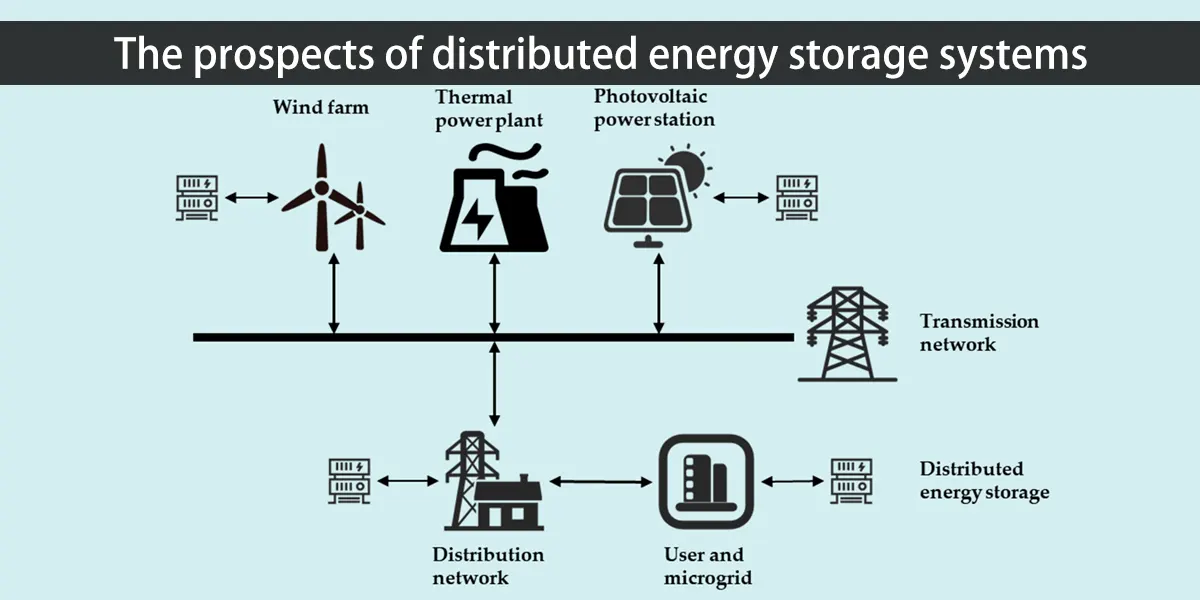
● Storage technology direction
The storage technology of distributed energy storage technology has covered chemical energy, mechanical energy, thermal energy, electrical energy and other forms, such as lithium batteries, nano-batteries, supercapacitors, hydraulic accumulators, etc., and energy storage is also constantly improving. In the future, we can explore from many aspects, quickly master new storage technologies, and continuously improve energy storage efficiency.
● Innovative business model direction
Establishing a business model for distributed energy storage systems through a market-oriented approach can enable distributed energy storage technology to sink into the commercial model and provide more value and benefits to users and society.
In short, the future development of distributed energy storage technology should continuously improve the ability of sustainable energy utilization and improve energy storage efficiency and reliability.


 +86 – 18925002618