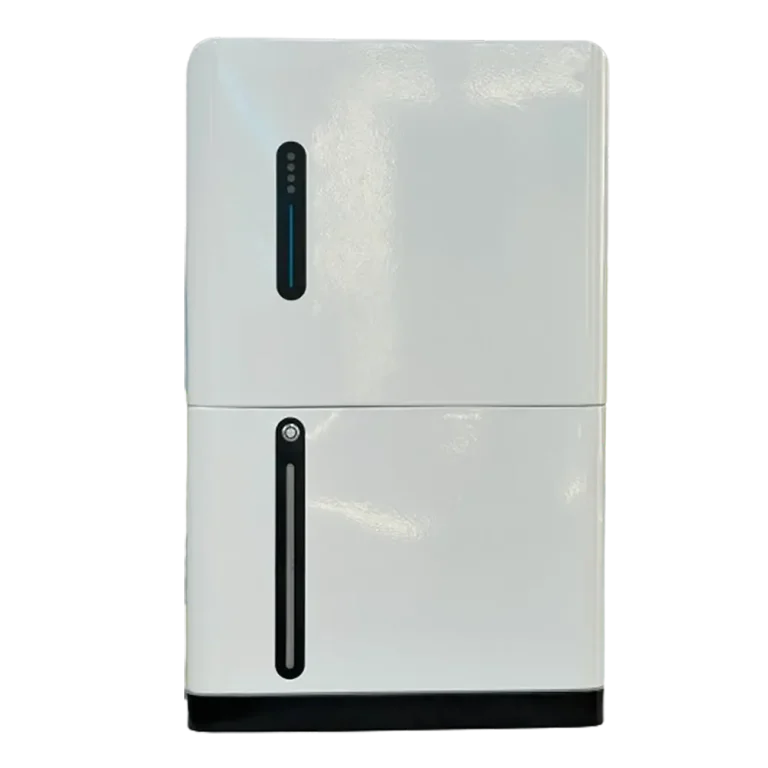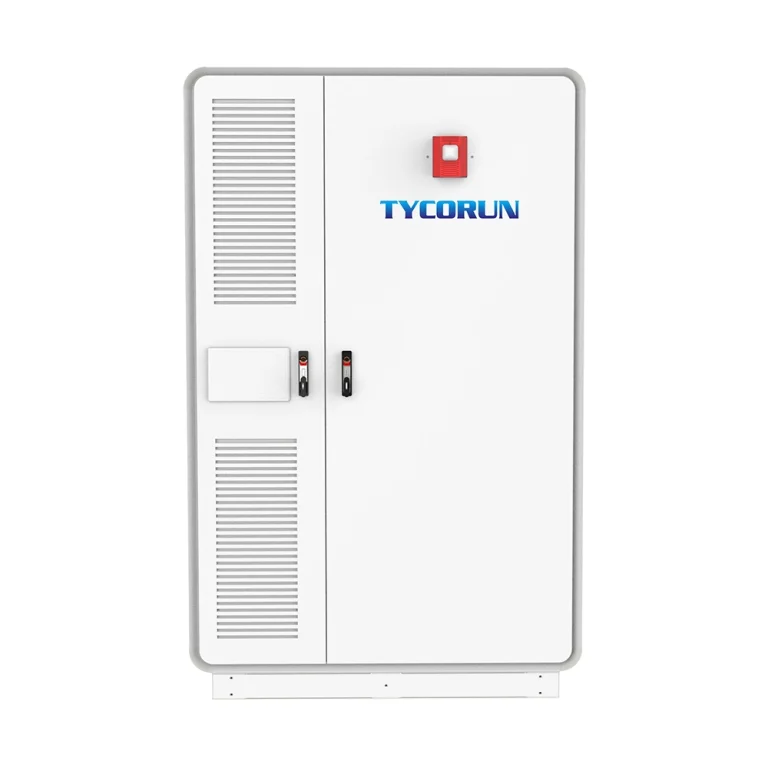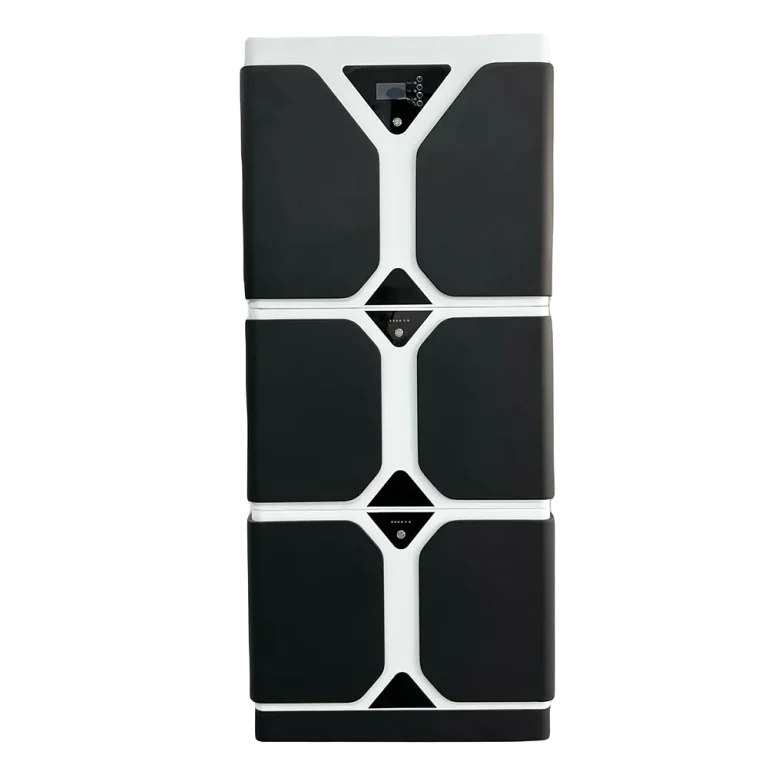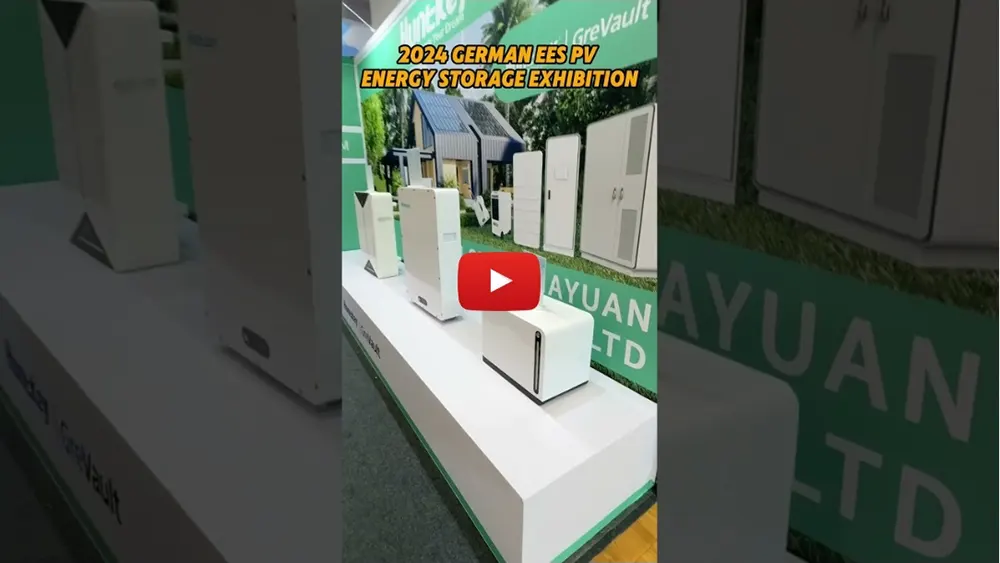
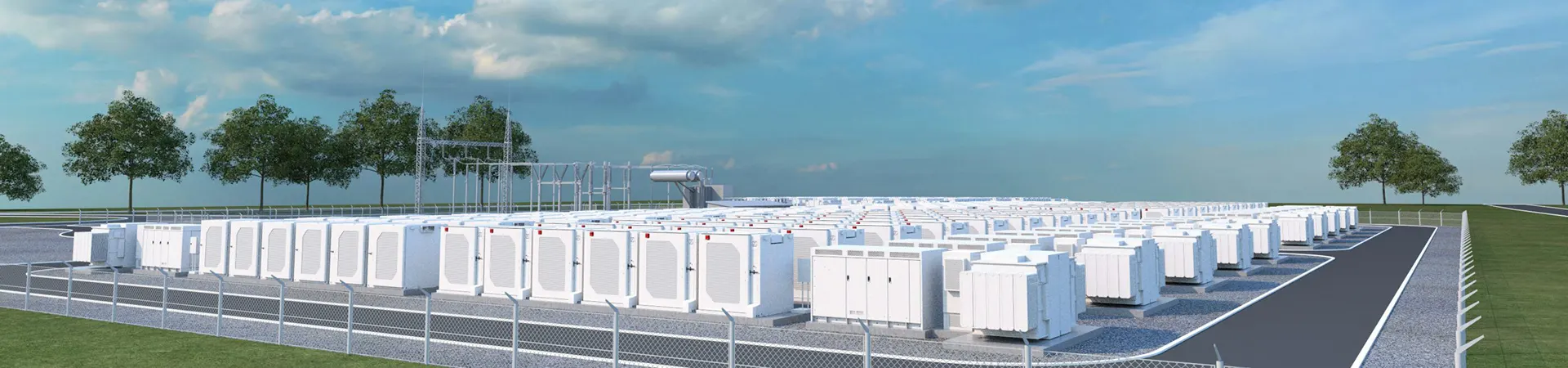



Distributed energy storage capacity is generally less than 10MWh. Compared with centralized energy storage, distributed energy storage has a short construction period, flexible construction locations, and low investment costs. The above characteristics determine that distributed energy storage has more application space on the user side, distribution network side and distributed power supply side.
However, the rich application scenarios of distributed energy storage do not mean that these values can be commercialized on a large scale. Therefore, it is necessary to discuss the commercial value of distributed energy storage from the policy level and project practical experience.
In the user-side field, the current main value points of distributed energy storage technology include three aspects: peak-valley price difference arbitrage, demand electricity fee management, and demand response compensation. The realization of peak-valley price difference arbitrage is mainly obtained by users adjusting their own electricity consumption plans, which is the main way for users to make profits from installing energy storage.
For power users who need to pay more capacity fees, installing energy storage equipment can save capacity fees and achieve demand-based electricity fee management. Demand response compensation means that energy storage users obtain compensation benefits by participating in demand-side response projects.
More importantly, a suitable time-of-use electricity price mechanism and a larger peak-valley electricity price difference provide very favorable space for the further commercial development of energy storage. User-side energy storage and energy storage operators can participate in demand response as market entities and obtain benefits.
On the distribution network side, the current main value points of energy storage technology are to alleviate grid congestion, delay investment in distribution network upgrades, and improve power supply reliability on the distribution network side. Here is more information about industrial storage batteries.
Taking advantage of the flexible and fast characteristics of energy storage equipment, configuring energy storage devices in blocked areas can not only effectively alleviate the problem of heavy overload of lines, but also delay network upgrades and reduce waste of resources.
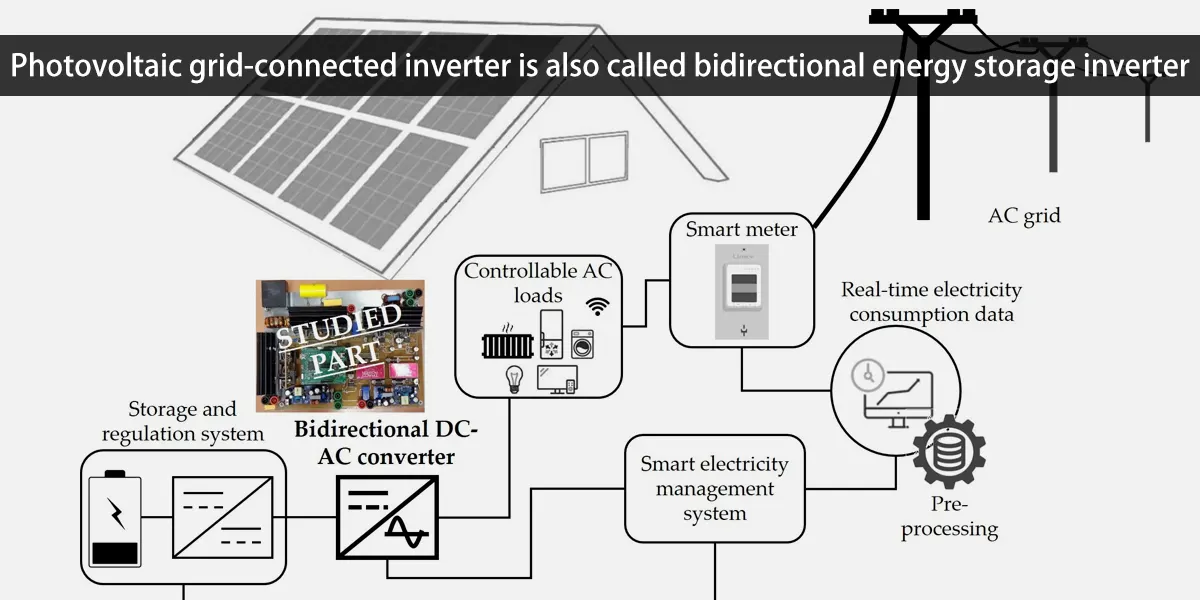
The value of distributed energy storage technology on the distributed power side is mainly to reduce the randomness and volatility of distributed power generation and ensure the smooth output of renewable energy. At the peak of wind power and photovoltaic supply, energy abandonment has to be chosen to ensure stable system operation.
When the system load is at its peak, wind power and photovoltaic energy storage may cause insufficient power generation due to natural conditions. Configuring energy storage on the distributed power supply side can effectively solve such problems.
At present, the financial leasing business model is the most common business model for energy storage, and it is also the business operation model with the widest application range of distributed energy storage in the world.
The successful development of the financial leasing business model is rooted in its unique characteristics:
- The leasing model has less risk
- The leasing model is more flexible.
For users to invest independently in construction, to a certain extent, users only have one choice. If the energy storage purchased by the user is found to be less than their ideal situation after use, or the construction cost of the energy storage is discovered after purchasing energy storage. If the price continues to decline, users will need to bear additional costs, and the leasing model has greater flexibility in these aspects.
Currently, the countries with relatively mature leasing models are the United States and South Korea. The American company PowerEdison has established an energy storage leasing model to meet the needs of utility companies. Energy storage leasing services can help utility companies manage congestion and provide backup power guarantee.
Although these applications have short life cycles, they are essential for utility companies. , so choosing energy storage leasing can reduce investment in fixed assets.

Under the community energy storage model, community users pay a fee lower than the current electricity price to use community energy storage devices to meet their own electricity needs. The income of project developers under this model mainly includes three aspects:
- Electricity charges Income;
- Income from serving the power grid;
- Income from heating.
Currently, the countries with relatively mature community energy storage models are Australia, Germany and the United Kingdom. Australian state-owned utility Synergy has teamed up with other developers to develop a project called the Al⁃kimos Beach Energy Storage Trial (ABEST), which aims to study community energy storage models. During the five-year operation period, the ABEST project effectively reduced users’ peak power demand and achieved user electricity bill management.
However, the project mainly focuses on the management of peak demand for electricity and does not provide ancillary services such as frequency regulation and voltage support for the power grid. The community energy storage model is based on community users and creates other benefits on the premise of satisfying community users.
Compared with other business models, the community energy storage model has a more stable user group. When promoting the community energy storage model, it is necessary to conduct sufficient preliminary research, fully explain the benefits of the project, and provide customers with adequate after-sales services. If you want to know more about other mainstream batteries, click on Top 10 high capacity battery cell for information.



 +86 – 18925002618