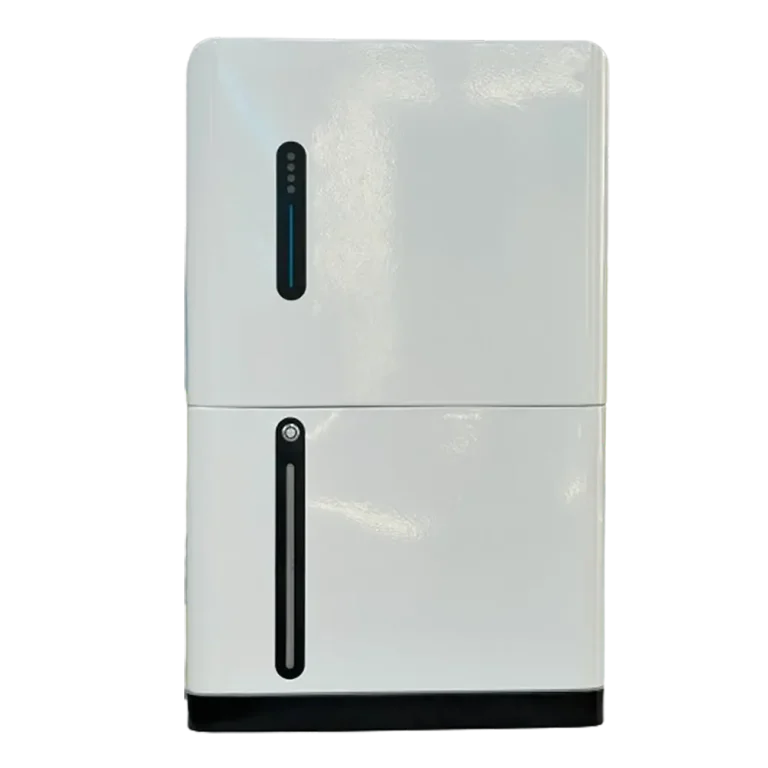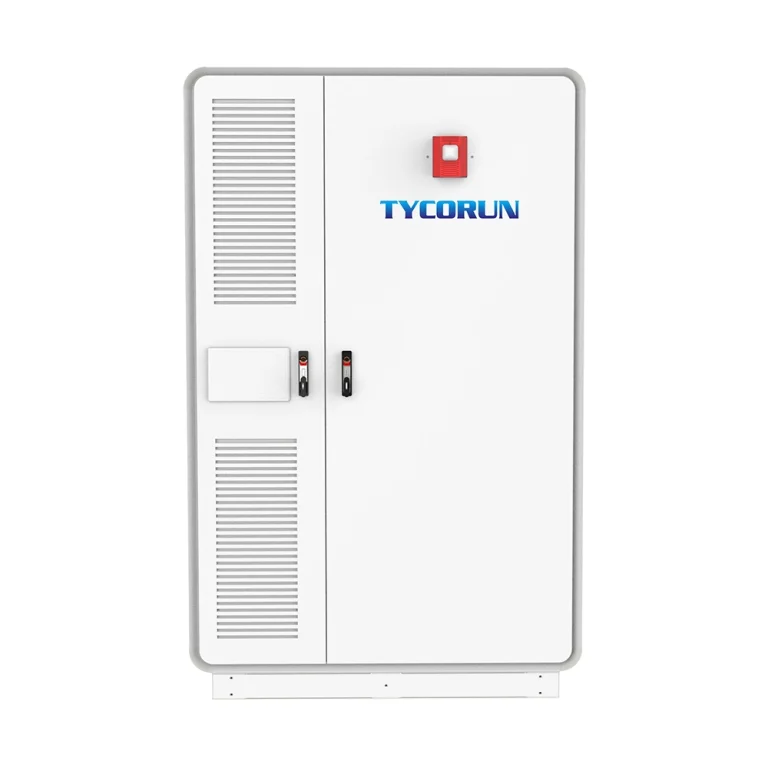


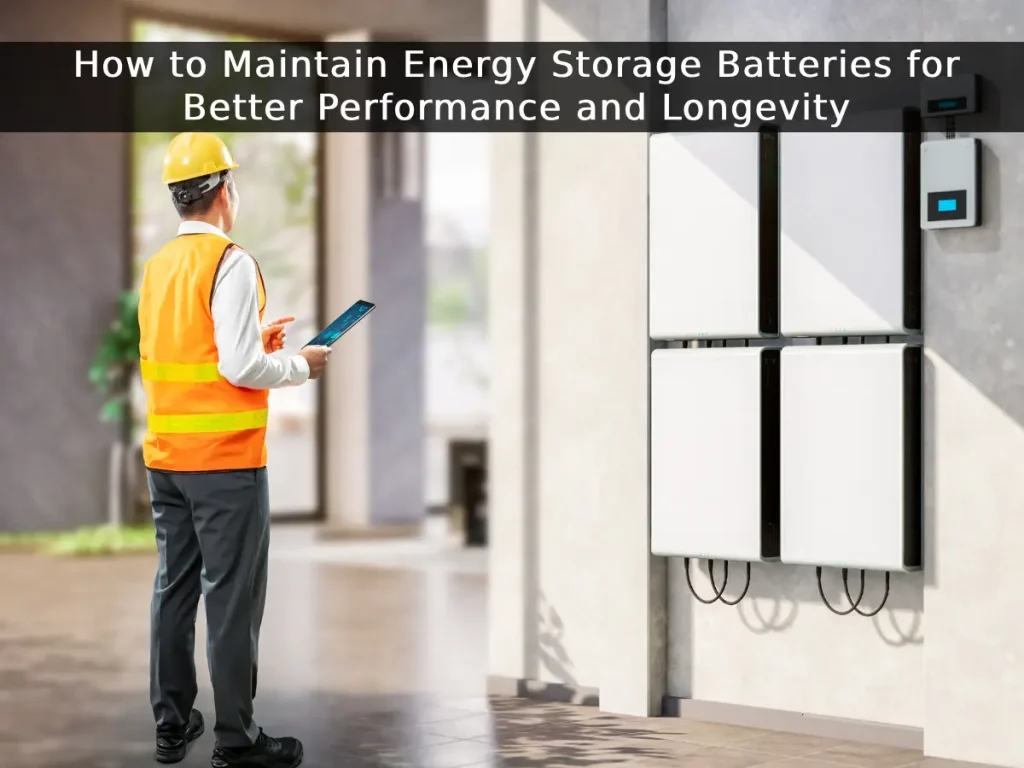
Energy Storage Systems (ESS) are now an important solution for storing renewable energy. With ESS, electricity can be used at any time, not just during the day or when the wind is strong.
Of course, batteries are what make ESS work. If batteries are not properly maintained, ESS performance will also decline. Therefore, it is crucial to understand how to maintain energy storage batteries. Proper maintenance ensures their durability and keeps the ESS ready for use whenever required.
In this article, we will discuss how to maintain energy storage batteries. This includes proper charging methods, temperature management tips, and habits to avoid to prevent batteries from deteriorating quickly.
What Are Energy Storage Batteries and Why Maintenance Matters
Energy storage batteries are essentially a place to store electrical energy so that it can be used at any time. These batteries play a very important role, namely stabilizing the flow of electricity Energy storage batteries are devices designed to store electrical energy for use at any time. They play a critical role in stabilizing the power supply. Energy storage batteries are commonly used in homes, commercial buildings, and even at the industrial level.

However, the important role of batteries can be compromised if they are not properly maintained. That is why it is important to know how to maintain energy storage batteries. With proper maintenance, batteries can remain safe and efficient, allowing them to be used for a long time.
Learn more in aour article on What Are ESS Batteries Made Of?
Types of Energy Storage Batteries and Their Maintenance Needs
Not all energy storage batteries are the same. Each type has different characteristics and maintenance requirements. By understanding the needs of each type, users can more easily determine how to properly maintain energy storage batteries.

- Lead-Acid Batteries
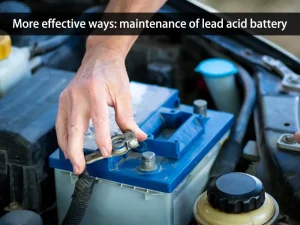
This is the oldest type and is still widely used due to its low cost. However, it requires frequent maintenance, including checking fluid levels, cleaning terminal corrosion, and avoiding over-discharge to prevent rapid capacity loss.
Covered this in detail on Lead acid battery vs lithium ion - Lithium-Ion Batteries
These are now the favorite because they are efficient, durable, and lighter. Maintenance is also simple, but you have to keep the temperature from getting too hot or too cold, plus avoid overcharging. - Flow Batteries
Flow batteries are suitable for large-scale applications and have a long service life. However, it is important to regularly check the condition of the electrolyte and ensure the pump system is functioning properly. - Nickel-Based Batteries
Nickel-based batteries are less commonly used in modern ESS but are still available. They should be protected from overcharging and should not be stored in a depleted state.
By understanding the characteristics of each battery type, we can more easily apply the appropriate maintenance, thereby extending battery life and keeping the energy storage system’s performance optimal.
Best Practices for Energy Storage Battery Temperature Management
Temperature is a factor that is often overlooked, although it has a significant impact on battery health. Excessive heat can cause permanent battery damage, while low temperatures can immediately reduce performance. Therefore, maintaining the temperature is an important part of how to maintain energy storage batteries.

Here is what you can do:
- Store in a cool, dry place
Users need to avoid humid rooms or direct sunlight. - Ensure adequate ventilation
If the battery is to be placed in a closed space, ensure there is adequate ventilation. - Know the ideal temperature
Batteries work best in the range of 15°C – 25°C. - Avoid extreme fluctuations
Do not allow the battery to frequently shift from extreme heat to extreme cold, as this causes the internal materials to wear out quickly.
This is one of the key points in how to maintain energy storage batteries, as proper temperature management ensures the battery remains stable and lasts longer.
Practical Maintenance Tips for Energy Storage Batteries
Now that we understand the right temperature for storing batteries, let’s move on to the main topic: how to maintain energy storage batteries. Here’s how:

- Charging and Discharging
How users charge and use batteries can affect battery capacity. If users frequently allow batteries to become overcharged or use them until they reach 0%, this can cause battery capacity to decrease. Therefore, users should use batteries at around 20% – 80% capacity to ensure they remain durable.
Learn more in our article on How to Discharge Batteries? - Inspection and Cleaning
Next, users should regularly check the physical condition of the battery. This includes checking for loose cables, corroded terminals, or even leaks. For lead-acid batteries, users can clean the terminals with a dry cloth or mild solution to prevent corrosion.
Curion to know more? see our explanation of How to Clean Battery Corrosion - Performance Monitoring
Users need to monitor battery performance. This includes checking capacity, voltage, and temperature. This allows users to quickly identify any problems. Moreover, many ESS now have a BMS (battery management system) feature, making it easier to maintain energy storage batteries on a daily basis.
Correct Storage Methods for Energy Storage Batteries
When talking about how to maintain energy storage batteries, how to store batteries is also important. This is because if stored incorrectly, battery performance can decline more quickly even if rarely used. So how can you make them last longer? Users can do the following:

- Batteries should be stored in a dry, cool place, away from direct heat exposure.
- If the battery is to be stored for a long time and not used, users can disconnect the power supply.
- Ensure the battery is stored at half capacity, not completely empty or fully charged.
- Check the battery condition periodically if storage exceeds several months.
Safety Tips for Energy Storage Battery Maintenance
Paying attention to safety when maintaining batteries is also the answer to the question of how to maintain energy storage batteries. The problem is that ESS batteries store a lot of energy, so if they are not handled properly, they can be dangerous. Here are some safety tips:

- Always use equipment that meets standards when doing battery maintenance or installation.
- To avoid short circuits, keep your hands away from the battery connections.
- If there is a significant issue, let a technician breakdown the batteries instead of doing it yourself.
- Make sure there is sufficient airflow, particularly for batteries that have the ability to release gas.
- When inspecting or cleaning the batteries, put on personal protective equipment like a mask, gloves, and goggles.
Common Mistakes to Avoid in Energy Storage Battery Maintenance
After understandinghow to maintain energy storage batteries , it is important for users to know that small habits that are overlooked can cause problems for the battery. The following are common mistakes that occur:

- Allowing the battery to be completely drained
Allowing the battery’s state of charge to drop to 0% can reduce its overall lifespan. - Continuous overcharging
Furthermore, when users charge the battery and it reaches 100%, they must quickly unplug it. This is because continuous overcharging can cause the temperature to rise and damage the battery cells. - Forgetting to clean dust and check connections
Dust and loose connection cables can also cause the battery to deteriorate quickly. Therefore, perform regular maintenance. - Storing in hot or humid places
As mentioned earlier, temperature greatly affects batteries. Therefore, store batteries in places that are not hot or humid.
Conclusion
Maintaining ESS batteries is not difficult. Users can do it at home, such as charging them properly, keeping the temperature ideal, and storing them in a safe place. By doing so, users can significantly extend the battery life. In addition, users can implement routine habits such as checking performance and cleaning connections to keep the battery healthy and ready for use whenever needed.
So, when asked how to maintain energy storage batteries, the answer lies in a combination of regular maintenance practices. By doing all of this, users’ ESS batteries will remain stable for storing electricity from renewable energy sources.
FAQS
You don’t need to check it every day, but it is good to do a light check once a month to make sure everything looks fine. Then, for a more detailed inspection, every 6-12 months is usually enough, depending on the battery type.
Using a universal charger is not recommended. ESS batteries perform best with chargers designed for their specific voltage and chemistry. Using the correct charger ensures longer battery life.
The optimal storage temperature is room temperature, approximately 15°C – 25°C. This range helps maintain battery stability and longevity, while storing batteries in excessively hot, cold, or humid conditions may reduce their overall lifespan.


 +86 – 18925002618