

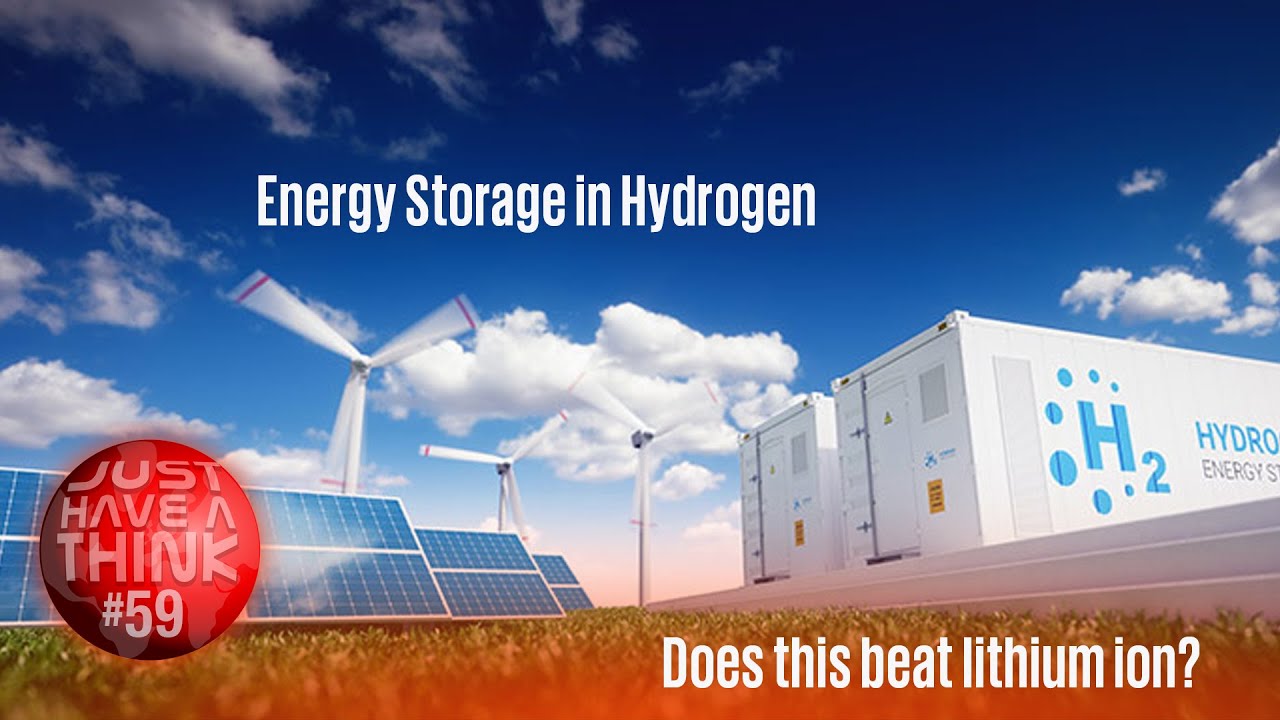

Hydrogen storage technology is the use of surplus electricity to create hydrogen that can be stored for long periods of time, and then burning the gas in conventional gas-fired power plants to generate electricity, or using fuel cells to generate electricity for use in scenarios such as transportation and cogeneration.
In other words, it is the use of surplus, off-peak, or low-quality electricity to produce hydrogen on a large scale, to convert electricity into hydrogen for storage, and then to utilize the hydrogen to be converted into electricity for transmission to the Internet through fuel cells or other means to play the role of power regulation when the power output is insufficient.
Compared to other conventional energy storage methods, hydrogen energy storage has a larger storage scale, up to the megawatt level; the storage time is also longer, and seasonal storage can be realized according to the differences in the output of solar battery, wind energy, water resources, and so on, to meet the requirements of long-cycle, large-capacity energy storage.
Hydrogen energy storage, as a clean, efficient and renewable energy storage technology, also has advantages that are unmatched by other energy storage technologies:
1. Long-term energy storage
Hydrogen storage has significant advantages over other energy storage technologies in terms of discharge time (hours to quarters) and capacity size (hundred gigawatts) for new energy consumption.
With chemical chain storage, hydrogen is stored in a chemical chain with a conversion efficiency of about 70%, and the duration of storage can be measured in years, or in months with solid state storage, organic liquid storage, etc.
2. Benefits for ecological protection
Compared to large-scale storage technologies such as pumped storage and compressed air energy storage, hydrogen battery storage does not require specific geographical conditions and does not damage the ecosystem.
3. Economical energy storage at scale
As the marginal value of the storage system decreases over time, the total affordable cost decreases, and hydrogen storage at scale is an order of magnitude less expensive than electricity storage.
4. Flexible storage and transportation
Hydrogen storage can be used in the form of long pipe trailers, pipeline hydrogen transmission, natural gas doping, ultra-high voltage transmission – terminal hydrogen and liquid ammonia, etc. It is not subject to the limitations of the transmission and distribution network, thus realizing large-scale, cross-regional peak shifting.
5. High energy density of liquid hydrogen
Liquid hydrogen has an energy density of 143MJ/kg, which can be converted to 40kWh.kg, about 2.7 times that of gasoline, diesel, natural gas, and 100 times that of electrochemical energy storage (100~240Wh/kg, depending on the type), and hydrogen battery storage is one of the few ways to store more than 100GWh.
In short, hydrogen energy storage can achieve cross-regional, long-time energy storage, realize the power capacity or time span required under seasonal imbalance, become an important way to solve the problem of abandoned wind, light and water, and guarantee the safe and stable operation of the future high proportion of renewable energy system, and the advantages it can play in long duration energy storage should not be underestimated.
Hydrogen battery storage technology has a wide range of applications in the energy field. In addition to power system peaking and energy supply, hydrogen energy storage can also be applied to transportation, industrial production, heating, ventilation and air conditioning (HVAC) and other fields.
At present, hydrogen fuel cell vehicles use hydrogen as fuel, which can realize zero-emission drive mode, which is of great significance for reducing traffic exhaust emissions and improving air quality. Hydrogen energy can also be used for energy supply in the industrial production process, replacing traditional high-carbon energy sources and contributing to the reduction of carbon emissions generated by industry.
Application of hydrogen energy in transportation: Hydrogen energy can be used as fuel for transportation vehicles, including cars, buses and trains. Hydrogen fuel cell vehicles are characterized by zero emission, high energy density, fast hydrogen refueling, etc., which is an important development direction in the future transportation field.
Application of hydrogen energy in industrial field: Hydrogen energy can be used as fuel and raw material in industrial field, used in metallurgy, chemical industry, manufacturing and other fields. The application of hydrogen energy can reduce carbon emission and environmental pollution in the industrial production process.
Application of hydrogen energy for energy storage: Hydrogen energy can be used as a form of energy storage, by converting electricity into hydrogen for storage, which can be converted back into electricity when needed, providing a new way of energy storage and utilization.
The research and application of hydrogen battery storage technology began in the 1970s, when countries were looking for alternative energy sources due to the oil crisis, and hydrogen energy storage technology was therefore emphasized.
However, due to the limitation of technical level and cost at that time, hydrogen battery storage technology was not widely used. In recent years, with the rapid development of renewable energy and the continuous progress of hydrogen technology, hydrogen batteru storage has once again become a hot topic in the energy field.
At present, hydrogen energy storage is getting more and more attention and application worldwide. Europe, Japan, the United States and other countries have increased research and investment in hydrogen battery storage technology to promote the development and application of hydrogen battery storage technology.
In China, hydrogen battery storage technology is also regarded as one of the important directions for future energy development, and the government and enterprises have increased their investment and research and development in hydrogen energy storage technology.



 +86 – 18925002618