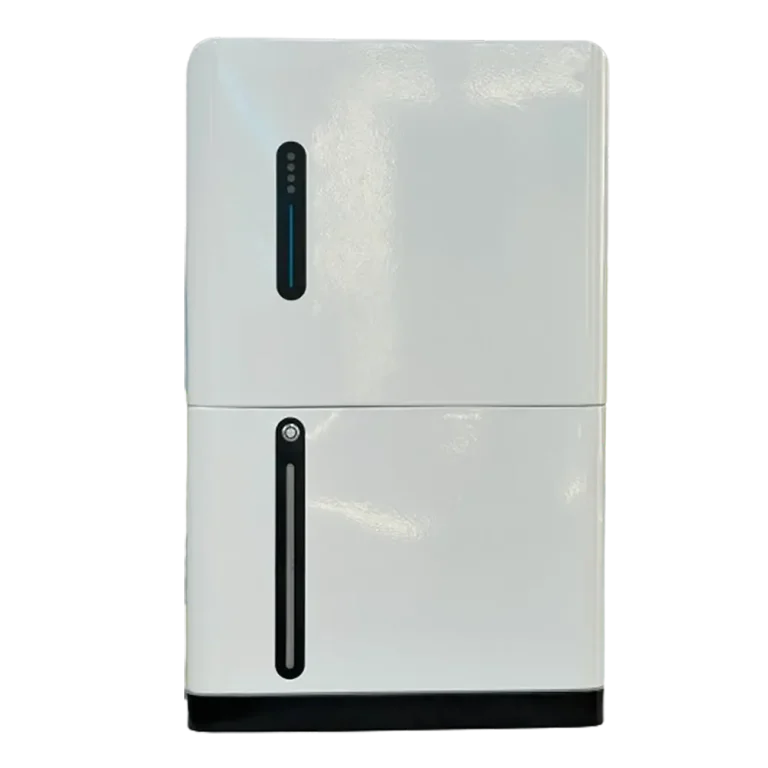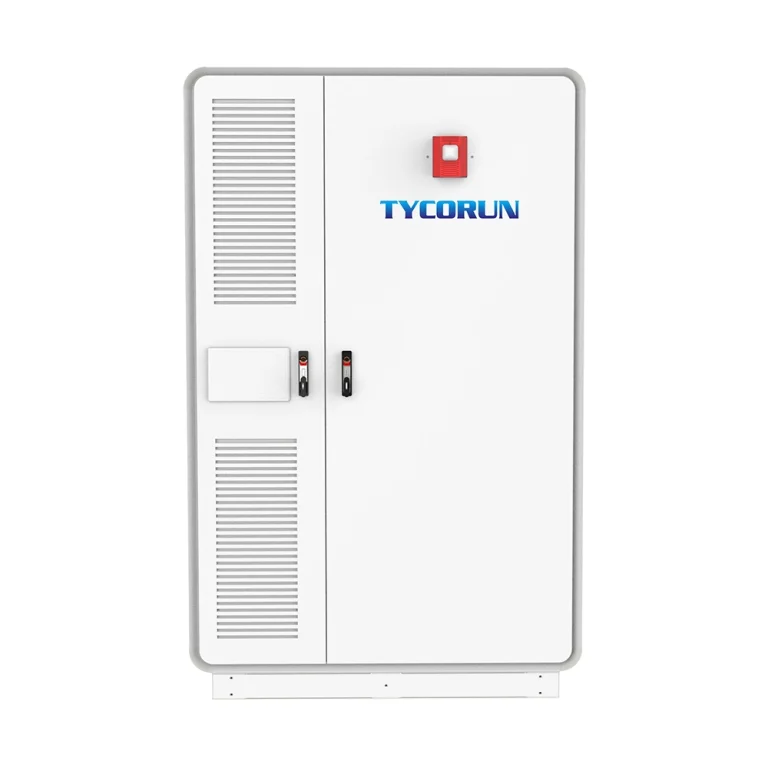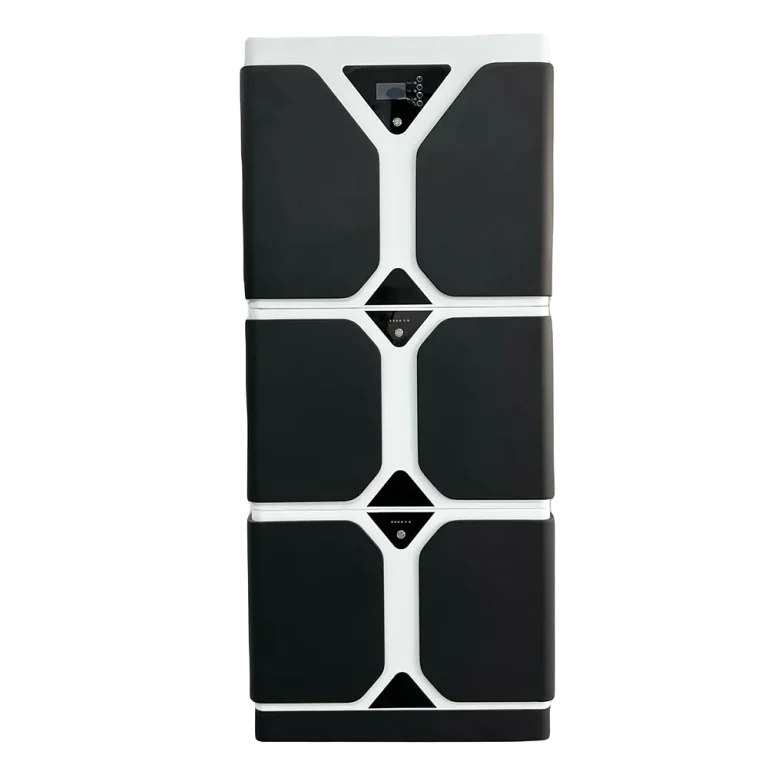
energy storage system

Solar battery storage systems usage and purchasing guide

Solar battery storage systems usage and purchasing guide
The world is experiencing a paradigm shift towards sustainable energy sources, and solar power is at the forefront of this revolution. Solar battery storage systems are useful in this situation.
Table of Contents
    Add a header to begin generating the table of contents

    In this comprehensive guide, we will delve deep into the world of solar battery storage systems, covering their internal workings, battery technologies, key parameters, types, applications, specifications, design considerations, and frequently asked questions.

    YouTube_play_button_icon_(2013–2017)

    1.What is a solar battery storage systems?

    Solar battery storage systems allows solar energy to be stored and used even when the sun isn’t shining. It combines solar panels with energy storage units, ensuring that surplus energy generated during the day can be saved for use during the night or on cloudy days. This not only maximizes energy utilization but also reduces dependence on the grid.

    2.Internal structure of a solar battery storage systems

    The heart of a solar battery storage systems lies in its internal structure and working principles. Sunlight is captured by solar panels, which then transform it into direct current (DC) electricity. After that, this electricity is sent to an inverter, which transforms it into alternating current (AC), a form of electricity fit for household use. Simultaneously, excess energy is diverted to the battery storage systems, where it is stored in rechargeable batteries for later use.

    When energy is required but not being generated, such as at night, the stored energy is inverted back to AC and sent for consumption.

    3.What is the best battery technology for solar storage?

    The choice of battery technology is critical in determining the efficiency and effectiveness of a solar battery storage systems. While several battery technologies are available, lithium-ion batteries stand out as the preferred choice for solar storage. Their high energy density, long battery life cycle, and excellent charge and discharge efficiency make them ideal for capturing and storing solar energy.

    The choice of battery technology is critical in determining the efficiency

    4.Interpretation of key parameters of solar battery storage systems

    Understanding the key parameters of a solar battery storage system is essential for optimizing its performance. Parameters like capacity, voltage, and charge/discharge rate play a pivotal role in determining the system’s overall efficiency and effectiveness.

    5.Factors affecting the output power of solar battery storage systems

    Solar battery storage systems are a key element in harnessing solar energy for sustainable power generation. However, the output power of these systems can be influenced by various factors. Understanding these factors is essential for optimizing system performance and ensuring a reliable energy supply.

    Here, we explore the factors that affect the output power of a solar battery storage system, including solar radiation intensity, temperature, battery parameters, and more.

    5.1. Solar radiation intensity

    Solar radiation intensity is a fundamental factor that directly affects the amount of energy solar panels can capture. It varies based on geographical location, time of day, weather conditions, and the tilt and orientation of the solar panels. Higher solar radiation intensity results in greater energy production, while lower intensity reduces the output power.

    5.2. Battery parameters

    The characteristics of the batteries used in a solar battery storage systems also play a crucial role in determining output power:

    • Capacity: Battery capacity is the amount of energy a battery can store. A larger battery has the capacity to store more energy for use during times when solar generation is low, which leads to a higher sustained output power.
    • State of Charge (SOC):The SOC of a battery, which indicates how full or empty it is, affects its ability to deliver power. A fully charged battery can provide more power than a partially discharged one.
    • Charge/Discharge Rate: Batteries have specific charge and discharge rates, which determine how quickly they can release stored energy. High battery charging and discharging rates enable rapid power delivery, while slower rates may limit the system’s ability to provide peak power.
    • Depth of Discharge (DoD): Batteries are typically designed to operate within a certain DoD range. Operating a battery outside of this range can affect its longevity and performance. Deeper discharges can reduce the available output power over time.

    Deeper discharges can reduce the available output power over time

    6.What are the types of solar battery storage systems?

    solar battery storage systems come in various types, each designed for specific applications and needs.

    Here are the three main types of solar battery storage systems:

    6.1. Off-grid solar battery storage systems

    An off-grid solar battery storage systems, as the name suggests, operates independently of the electrical grid. It is primarily intended for isolated locations or regions without reliable grid access.

    What constitutes an off-grid system is as follows:

    • Energy Independence: Off-grid systems are designed to offer a continuous and self-sufficient power supply to meet all of a home’s, cabin’s, or facility’s energy needs.
    • Backup Generators: Off-grid systems occasionally come with backup generators to guarantee continuous power during protracted periods of low sunlight or high energy demand.
    • Load Management: Load management is essential to ensure that the energy consumption matches the available energy generation, especially during seasons with varying sunlight.

    6.2. Grid-connected solar battery storage systems

    A grid-connected solar battery storage systems is designed to work in tandem with the utility grid. It offers the flexibility to consume solar-generated electricity while remaining connected to the grid for additional power as needed.

    Here’s what characterizes a grid-connected system:

    • Grid Interaction: These systems are connected to the electrical grid, allowing excess energy generated by the solar panels to be fed back into the grid. This surplus energy can often be credited to the owner’s electricity bill, reducing costs.
    • Self-Consumption: Grid-connected systems prioritize self-consumption, meaning that the solar energy generated is first used to power the home or facility. Excess energy is then sent to the grid.
    • Energy Resilience: In the event of grid outages, some grid-connected systems have the capability to operate as backup power sources, ensuring continuous electricity supply.
    • Net Metering: Many regions offer net metering programs, where the homeowner is compensated for the excess energy they feed into the grid.

    6.3. Standalone solar battery storage systems

    A standalone solar battery storage systems is designed for specific, isolated applications, such as telecommunications equipment, remote monitoring stations, or small-scale installations.

    Here’s what characterizes a standalone system:

    • Autonomous Operation: Standalone systems are typically not connected to the grid. They operate independently, relying entirely on solar panels and batteries for power.
    • Small-Scale: These systems are often smaller in scale compared to residential or commercial installations, making them suitable for remote or isolated locations with minimal energy demands.
    • Energy Efficiency: Standalone systems are designed to be highly energy-efficient and reliable, as they must operate autonomously in remote areas without easy access to maintenance.
    • Telecommunications: Standalone solar battery storagesystemsare commonly used to power cell towers, remote sensors, and communication equipment in areas with no grid access.

    Standalone systems are designed to be highly energy-efficient and reliable

    7.Where is the solar battery storage systems used?

    Solar battery storagesystems have a wide range of applications, including residential, commercial, industrial, and even remote areas with limited grid access. We’ll explore the diverse uses of these systems across various sectors.

    8.Common solar sorage battery specifications

    Solar storage battery specifications can vary depending on the specific application, whether it’s for an off-grid, grid-connected, or standalone system. Here are common specifications tailored to these different applications: Off-Grid solar battery storage systems
    • Battery Capacity: Off-grid systems typically require larger battery capacities to provide power during extended periods of low solar generation. Battery capacities for off-grid applications can range from 5 kWh to 100 kWh or more, depending on energy demands.
    • Voltage: The voltage of off-grid batteries can vary but is often in the range of 48V to 120V DC. Higher voltage systems may be used for larger installations.
    • Battery Chemistry: Lead-acid and lithium-ion batteries are commonly used for off-grid systems, with lithium-ion batteries gaining popularity due to their higher energy density and longer cycle life.
    Grid-Connected solar battery storage systems
    • Battery Capacity: Grid-connected systems typically have smaller battery capacities compared to off-grid systems. Battery capacities for residential grid-connected systems often range from 5 kWh to 20 kWh, while commercial systems may have larger capacities.
    • Voltage: The voltage of grid-connected batteries is often in the range of 350V to 800V DC for residential systems and can be higher for commercial and industrial installations.
    • Battery Chemistry: Lithium-ion batteries are the preferred choice for grid-connected systems due to their high efficiency and ability to provide rapid discharge when needed.
    Standalone solar battery storage systems
    • Battery Capacity: Standalone systems are highly application-specific. Their battery capacities can vary widely, from small 12V batteries for remote sensors to larger 48V or 24V batteries for telecommunications equipment.
    • Voltage: Voltage requirements depend on the equipment being powered. Standalone systems can utilize batteries with varying voltage levels to match the load’s needs.
    • Battery Chemistry: Battery chemistry depends on the application. Sealed lead-acid batteries or specialized batteries optimized for low-power, long-duration discharge may be used for remote and autonomous photovoltaic energy storage .

    9.How to design a lithium battery pack for solar battery storage systems

    Designing a lithium battery pack for a solar battery storage systems involves several key considerations:

    • Capacity Sizing: Determine the energy storage capacity needed based on the energy consumption and desired autonomy (how long the system should run without sunlight).
    • Voltage Selection: Choose the appropriate voltage level based on the system’s inverter and charge controller requirements. Ensure compatibility with other system components.
    • Battery Chemistry: Select the type of lithium-ion battery that best suits the application, considering factors like energy density, cycle life, and operating temperature range.
    • Configuration: Determine how individual battery cells or modules will be connected in series and parallel to achieve the desired capacity and voltage.
    • Integration with Solar System: Integrate the battery pack seamlessly with the solar panels, inverters, and charge controllers to ensure efficient energy capture and storage.

    Select the type of lithium-ion battery that best suits the application

    FAQ

    Residential and commercial solar battery storagesystems differ in scale and usage. Residential systems are typically smaller and designed to meet the energy needs of a single household, while commercial systems are larger and intended for businesses or larger facilities.

    A localized energy system known as a microgrid can operate separately from or alongside the main grid. Batteries, solar panels, and occasionally backup generators are typically included.  Microgrids can provide energy resilience during grid outages or function autonomously in remote areas.

    A 10 kW solar battery storage systems can provide ample power for many residential applications. However, the sufficiency of such a system depends on factors like your energy consumption, geographical location, and the size and efficiency of your solar panels. A professional assessment is recommended to determine the appropriate system size for your specific needs.


    Related posts

    logo+86 – 18925002618
    [email protected]
    Guangpu West Road, Huangpu, Guangzhou, Guangdong, China

    Product

    Video Gallery

    Huntkey automated battery storage workshop process
    Huntkey Grevault participated in Germany ESE exihition with 5KW mobile power bank
    Contact Form Demo
    Scroll to Top