
energy storage system

Role and benefits of electrolyte additives – enhancing lithium battery performance

Role and benefits of electrolyte additives – enhancing lithium battery performance
The article will mainly introduce the concept, types, proportion, functions of electrolyte additives.
Table of Contents
    Add a header to begin generating the table of contents
    YouTube_play_button_icon_(2013–2017)

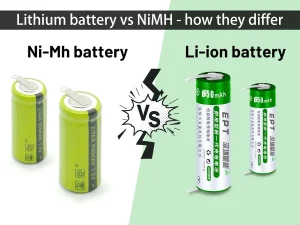
    With the wide popularity of lithium-ion batteries in various applications, their performance and safety have attracted more and more attention. Electrolytes are an important part of lithium-ion batteries, which play the role of ion conduction. Adding an appropriate amount of functional additives to the electrolyte can not only optimize battery performance, but also enhance its safety and life. As for lithium ion battery, you can also check lithium battery vs NiMH; lead acid battery vs lithium ion; sodium ion battery vs lithium ion.

    The article will mainly introduce the concept, types, proportion, functions of electrolyte additives.

    Basic composition of lithium battery electrolyte

    Lithium ion battery electrolyte is generally composed of organic solvents, electrolyte salts and various functional additives. Organic solvents commonly use carbonates, such as vinyl carbonate (EC), dimethyl carbonate (DMC), etc. Battery electrolyte salts are usually lithium hexafluorophosphate (LiPF6).

    However, basic organic solvents and electrolyte salts alone cannot meet the requirements of batteries in terms of high lithium battery energy density, high battery life cycle and high safety, so various functional additives need to be added to improve battery performance.

    Basic concept of electrolyte additives

    Electrolyte additives refer to a small amount of additives added to the electrolyte to improve its electrochemical properties and improve the quality of cathode deposition. Electrolyte additives are some natural or synthetic organic or inorganic compounds, generally do not participate in the electrode reaction of the electrolytic process, but can be changed to the electrochemical performance of the electrolyte system, affect the discharge conditions of ions, so that the electrolytic process is in a better state.

    Basic concept of electrolyte additives

    By adding a small dose of additives to the electrolyte of the lithium-ion battery, it can be targeted to improve some performance of the battery, such as reversible capacity, electrode/electrolyte compatibility, cycle performance, c-rate of lithium ion battery and lithium ion battery safety performance, which plays a very key role in the lithium battery. The amount of electrolyte additives is usually small, but it is an indispensable part of the electrolyte system.

    Common types and functions of lithium battery electrolyte additives

    Film forming additive

    Additives: Ethylene carbonate (EC), Propylene carbonate (PC), vinyl fluoride carbonate (FEC), etc.

    Main function: In the first charging and discharging process of lithium batteries, the film forming additive can form a stable solid electrolyte interface (SEI) film on the surface of the negative electrode. The SEI film can effectively prevent direct contact between the electrolyte and the negative electrode material, reduce side reactions, and improve battery cycle stability.

    Flame retardant additive

    Additives: trimethyl phosphate (TMP), ethyl hexafluorophosphate (FEP), propyl pentafluorophosphate (FPP), etc.

    Main functions: Lithium-ion batteries are prone to thermal runaway under high temperature or overcharge, leading to fire or explosion. Flame retardant additives can reduce the burning tendency of the electrolyte and improve the thermal stability and safety of the battery.

    High voltage additives

    Additives: vinyl sulfate (VEC), lithium (LiTFSI) imide (trifluoromethylsulfonyl), etc.

    Main functions: Under high voltage conditions, the electrolyte is easy to decompose, affecting the battery life. High voltage additives can improve electrolyte stability, reduce decomposition products, and improve the battery’s high voltage performance and cycle life.

    Overcharge protection additive

    Additives: p-benzonitrile (PTMN), p-dimethylbenzoic acid (DMTB), etc.

    Main functions: When the battery is overcharged, this additive can react quickly to form an insulating film that impedes electronic conduction, prevents the battery from continuing to overcharge, plays an overcharge protection role, and improves the safety of the battery.

    Common types and functions of lithium battery electrolyte additives

    Conductive additives

    Additives: vinyl carbonate (EC), vinyl fluorocarbonate (FEC), lithium fluorosulfonate (LiFSI), etc.

    Main functions: conductive additives can improve the ionic conductivity of the electrolyte, reduce the internal resistance of the battery, and improve the rate performance and low temperature performance of the battery.

    Lithium deposition inhibitor

    Additives: ethylene carbonate (EC), vinyl fluorocarbonate (FEC), trifluoroacetate (TFAE), etc.

    Main functions: In the process of fast charging and high rate discharge, lithium metal is easy to precipitate on the surface of the negative electrode, forming lithium dendrites, resulting in short circuit and safety hazards. Lithium deposition inhibitor can form a protective film on the negative electrode surface, inhibit the formation of lithium dendrites, and improve battery safety and life.

    Synergistic effect of lithium battery electrolyte additives

    In practical applications, a single additive is often unable to meet the multiple performance requirements of the battery, so the synergistic effect of multiple additives is usually used.

    Synergistic effect of lithium battery electrolyte additives

    For example, vinyl fluorocarbonate (FEC) can not only be used as a film forming additive, but also improve the conductivity and high voltage stability of the electrolyte. The combination of flame retardant additives and high voltage additives can improve the thermal stability of the battery and ensure the stable performance of the high voltage lithium battery.

    Proportion of lithium battery electrolyte

    The proportion of VC (vinylidene carbonate) added to the lithium-ion battery electrolyte is usually determined according to the type and design requirements of the battery. The addition proportion of VC in lithium iron phosphate battery electrolyte is 3%-5%, which is higher than the addition proportion of 1%-2% in ternary battery electrolyte. This means that in lithium iron phosphate batteries, the proportion of VC added is usually between 3% and 5%, and in ternary batteries, the proportion of VC added is between 1% and 2%.

    Proportion of lithium battery electrolyte

    The addition ratio of FEC (vinyl fluorocarbonate) is usually to improve the low temperature performance of the electrolyte and improve the cycle stability of the battery. The amount of FEC added to the electrolyte is generally between 2% and 10%. This ratio can be adjusted according to the specific design and performance requirements of the battery.

    The future development of lithium battery electrolyte additives

    The development of lithium battery electrolyte additives in the field of battery technology has always been an active research direction. With the continuous improvement of battery performance requirements, future electrolyte additives may develop in the following directions:

    High temperature stability: With the rapid development of electric vehicles and renewable energy, the stability of lithium batteries in high temperature environments is increasingly required. Future electrolyte additives may focus on improving the thermal stability of the electrolyte and inhibiting the electrolyte’s decomposition and evaporation reaction, thus extending the battery’s service life.

    Safety and durability: The safety of lithium-ion batteries has always been an important concern. Future electrolyte additives may focus on improving battery safety. For example, by adding additives that can absorb and solidify liquids to reduce the risk of leaks or short circuits in batteries. In addition, durability is also a key factor, and future additives may extend the battery cycle life and battery capacity retention rate.

    The future development of lithium battery electrolyte additives

    Low temperature performance: In extremely cold environments, lithium battery performance is usually limited. Future electrolyte additives may focus on improving battery power output and cycle performance at low temperatures to meet the needs of electric vehicles and portable electronic devices in extremely cold regions.

    Environmental friendliness: With the pursuit of sustainable development, future electrolyte additives may tend to be more environmentally friendly options. This includes using renewable materials, reducing or eliminating reliance on toxic substances, and improving the degradation performance of additives to reduce their environmental impact.

    Versatility: Future electrolyte additives may have a variety of functions to meet the needs of different applications. For example, additives with self-healing function can repair minor battery damage and extend battery life; additives with self-sensing function can monitor and regulate electrolyte performance inside the battery.

    Conclusion

    Electrolyte additives play an important role in lithium batteries. Rational selection and optimization of additives can significantly improve battery performance and safety. In the future, with the continuous progress of technology and the increase of application demand, the research of electrolyte additives will continue to deepen, providing a solid guarantee for the development of lithium-ion batteries.
    Related posts

    logo+86 – 18925002618
    [email protected]
    Guangpu West Road, Huangpu, Guangzhou, Guangdong, China

    Product

    Video Gallery

    Huntkey automated battery storage workshop process
    Huntkey Grevault participated in Germany ESE exihition with 5KW mobile power bank
    Contact Form Demo
    Scroll to Top