



Electrolyte is an important component of lithium batteries. It conducts lithium ions inside the battery and has an important impact on the battery performance and life of the battery. Lithium battery electrolyte is usually composed of organic solvents, electrolytes and additives.
1. Electrolyte
Commonly used electrolyte salts mainly include lithium hexafluorophosphate, lithium tetrafluoroborate, etc. In terms of cost, safety, etc., lithium hexafluorophosphate is the most commercialized.
2. Solvent
Organic solvents are the main part of the electrolyte. Generally, high dielectric constant solvents and low viscosity solvents are mixed. Commonly used electrolyte systems include: EC+DMC, EC+DEC, EC+DMC+EMC, EC+DMC+DEC, etc. The purity of the solvent must be controlled, and the moisture content should be reduced to 10*10^(-6), which can reduce the decomposition of lithium hexafluorophosphate, reduce the decomposition of the membrane, and prevent bloating.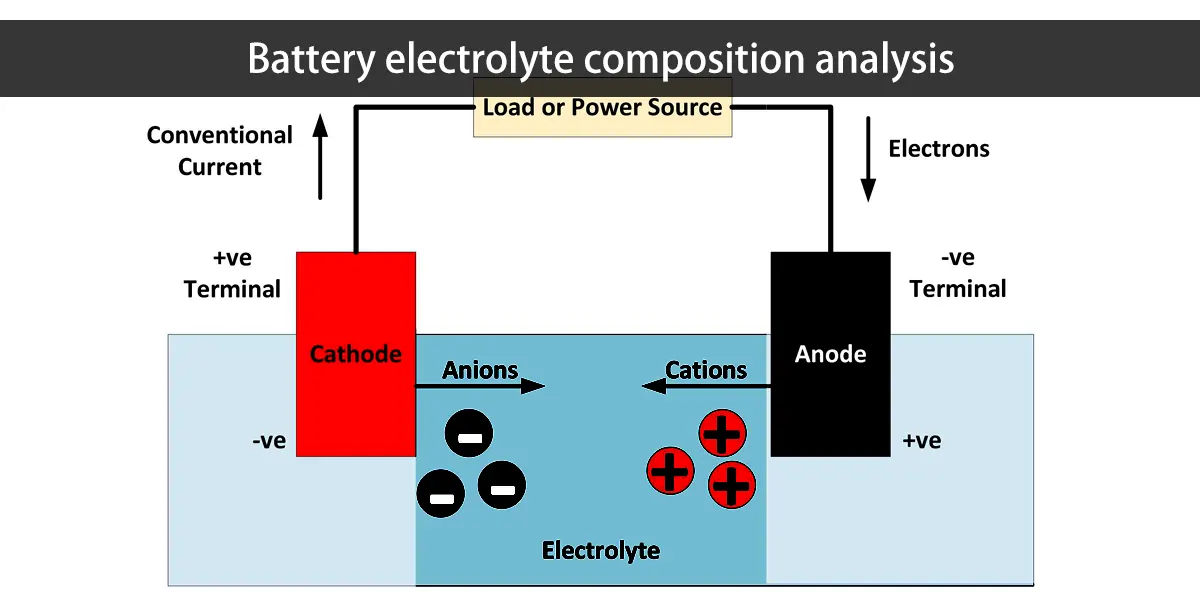
3. Additives
Additives are added with a small amount of organic or inorganic substances to improve the electrochemical performance of the electrolyte and improve the quality of anode deposition. Additives do not participate in the electrode reaction, but affect ion discharge conditions.
1. Liquid electrolyte:
Liquid electrolyte is the earliest type of electrolyte used in lithium batteries. Its main ingredients include lithium salts, organic solvents and additives. Among them, the lithium salt plays the role of conducting lithium ions, the organic solvent is the carrier for lithium ions to migrate in the battery, and the additives can improve the stability and conductivity of the electrolyte.
2. Gel electrolyte:
Gel electrolyte is an electrolyte between liquid and solid state. It is characterized by high ionic conductivity and low risk of liquid leakage. Gel electrolyte mainly consists of polymer matrix, lithium salt, organic solvent and additives. By adjusting the ratio of polymer matrix and lithium salt, gelation of the electrolyte can be achieved, thereby improving battery safety and cycle life.
3. Solid electrolyte:
Solid electrolyte refers to lithium battery electrolyte that does not contain organic solvents. Its main components are lithium salt, polymer matrix and additives. Solid electrolytes offer greater safety and energy density, but currently face challenges in ionic conductivity and battery cycle life.
1. Provide ion transmission:
The lithium battery electrolyte contains lithium ions (Li+), which can move freely in the electrolyte. During charging, lithium ions are released from the positive electrode and swim in the electrolyte to the negative electrode. During discharge, lithium ions move from the negative electrode to the positive electrode. Lithium ions in the electrolyte move back and forth between the electrodes to complete the transmission of current.
2. Maintain battery reaction balance:
Lithium battery electrolyte also contains solvents and additives, such as organic solvents and salts. These substances play a role in maintaining the balance of the battery reaction and ensuring that lithium ions can be efficiently and stably carried out during the transmission between the electrolyte and the electrode.
3. Maintain battery temperature:
The solvent in the lithium battery electrolyte can absorb and release heat energy and regulate the battery temperature. When the battery is working, because the reaction process generates heat, the electrolyte can prevent the battery from overheating by absorbing heat, and at the same time preventing the battery from being too cold by releasing heat.
1. Physical mixing method
The physical mixing method is a simple and commonly used method for preparing electrolyte. It mainly mixes electrolyte salts, solvents and other raw materials according to a certain proportion and stirs them evenly. Then, the electrolyte can be obtained through post-processing such as filtration and degassing. This method has the advantages of simple process and low cost, but the performance of the prepared electrolyte may not be stable enough.
2. Co-melting method
The eutectic method is a method in which raw materials such as electrolyte salt and solvent are melted by heating, and then cooled and solidified to obtain an electrolyte. The electrolyte prepared by this method has high ionic conductivity and stability, but the process is complicated and the cost is high.
3. Chemical synthesis method
Chemical synthesis is a method of converting raw materials into electrolyte salts or solvents through chemical reactions. The electrolyte prepared by this method has high purity and excellent performance, but the process is complex and the cost is high.


 +86 – 18925002618





