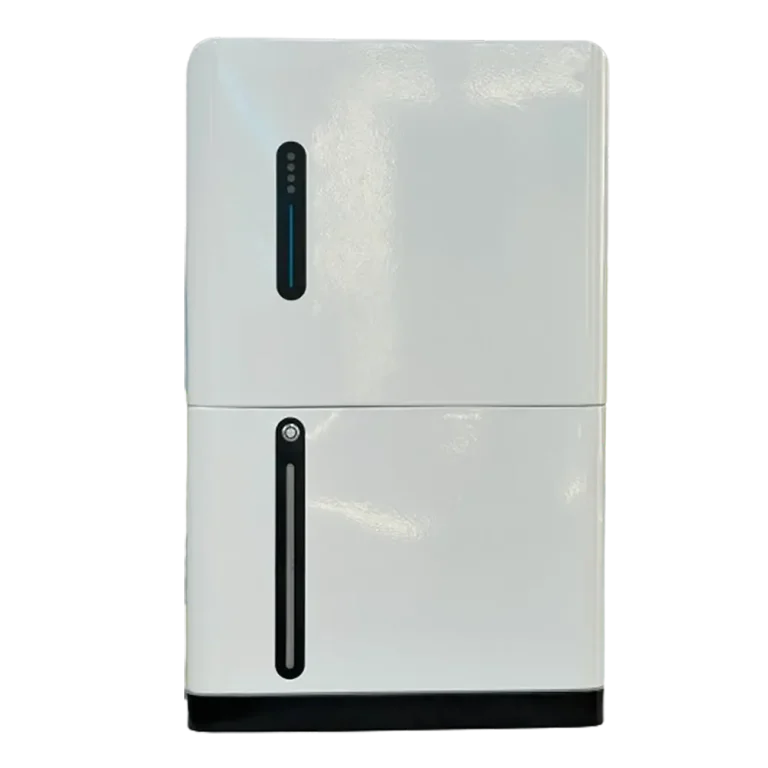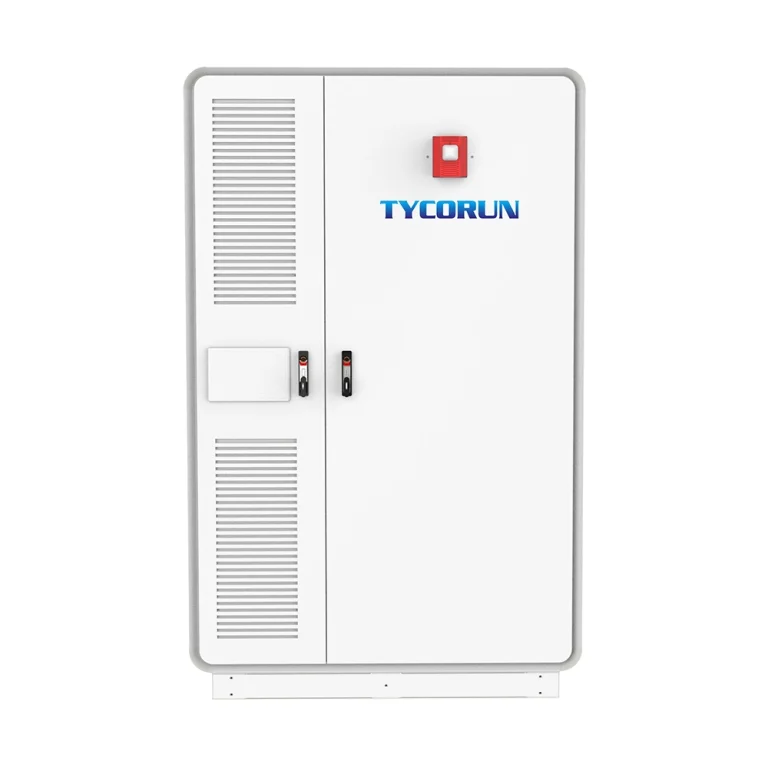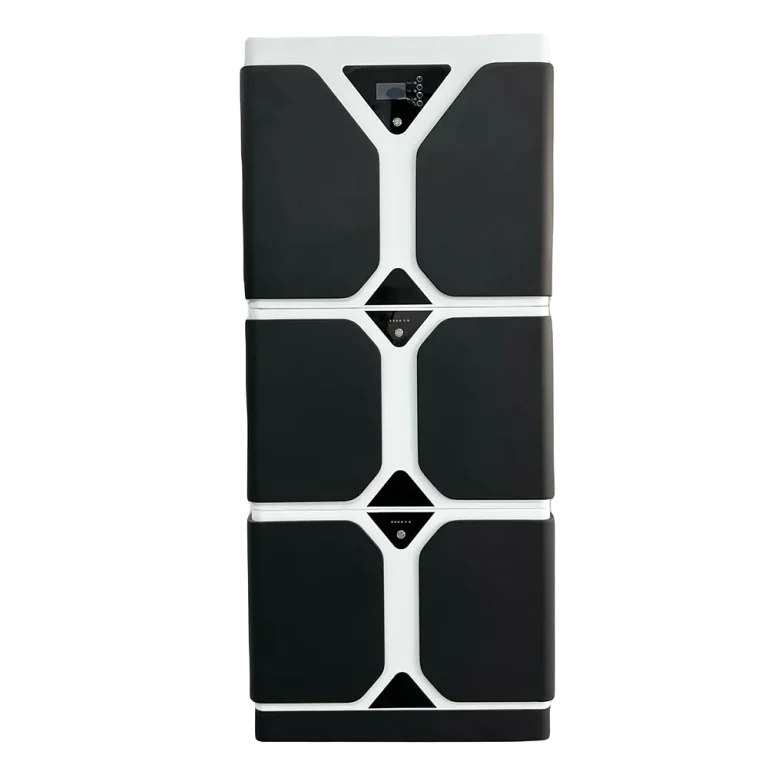
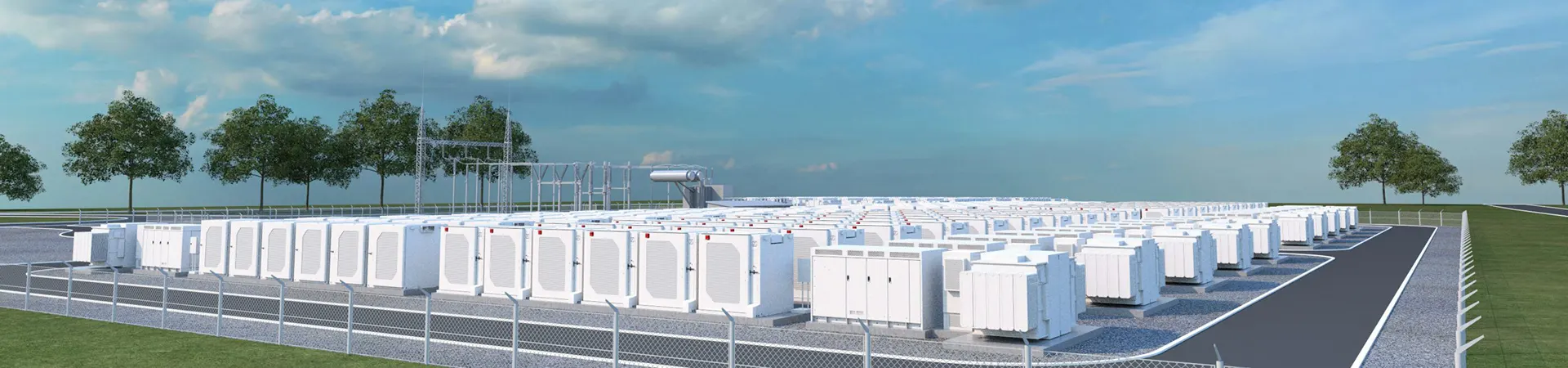
energy storage system

Explore photovoltaic systems – definition, history, classification and future

Explore photovoltaic systems - definition, history, classification and future
This article will mainly explore the history, classification, components , working principle and development prospects of photovoltaic systems.
Table of Contents
    Add a header to begin generating the table of contents

    Photovoltaic power generation has the characteristics of clean and renewable energy, does not produce pollutants, and does not destroy the ecological environment, is an environmentally friendly energy choice. Photovoltaic systems are used in a wide range of applications, from rooftop installations to large-scale photovoltaic power plants, helping to reduce dependence on fossil fuels, alleviate the energy crisis, and drive sustainable development.

    This article will mainly explore the history, classification, components , working principle and development prospects of photovoltaic systems. You can also check photovoltaic energy storage ; top 5 latest photovoltaic energy storage products in China; solar panel efficiency; diy solar panels with battery storage.

    YouTube_play_button_icon_(2013–2017)

    What is a photovoltaic systems?

    Photovoltaic systems are the use of photovoltaic cells to directly convert sunlight into electricity generation technology, mainly composed of solar panels, inverters and power control equipment. Solar panels convert light energy into direct current by absorbing solar radiation, which is then converted into alternating current by inverters for use in homes, commercial buildings or the power grid.

    With the advancement of technology, the cost of photovoltaic energy storage systems continues to fall and efficiency increases, making them an important part of the future energy field.

    The history of photovoltaic systems

    The development of photovoltaic systems dates back to the 19th century and has evolved through a number of key stages.

    The discovery of the photoelectric effect (1839)

    French scientist Becquerel first discovered the photoelectric effect, that is, light irradiation on certain materials will produce current, which laid the foundation for photovoltaic technology.

    Realization of the photovoltaic effect (early 20th century)

    Einstein’s quantum theory of the photoelectric effect promoted the development of photovoltaic technology. In 1918, the American scientist Shockley made the first silicon solar cell. Although inefficient, it paved the way for further technological progress.

    Commercialization of photovoltaic technology (1950s)

    NASA used solar cells for the energy supply of astronauts, which promoted the commercialization of photovoltaic technology. Hoffman Electric then began large-scale production of solar cells for applications in aviation, navigation and other fields.The history of photovoltaic systems

    Popularity of photovoltaic technology (1970-1990s)

    The oil crisis brought attention to solar energy, and the cost and efficiency of photovoltaic technology were reduced, promoting its widespread application in remote areas and specific fields. In the 1980s and 1990s, photovoltaic technology was further developed and gradually popularized in developed countries.

    Global promotion (21st century)

    With the growth of energy demand and the challenge of climate change, photovoltaic technology has become one of the main energy sources in the world, and countries have launched policy support, solar cell efficiency has been greatly improved, the cost has been reduced, and photovoltaic power generation systems have been widely used in roofs and power stations to promote sustainable development.

    Classification of photovoltaic systems

    Photovoltaic systems are mainly divided into the following types:

    • Photovoltaic grid-connected system: includes components, grid-connected inverters, photovoltaic meters, loads and grid. The direct current generated by the photovoltaic module is converted into alternating current through the inverter, which supplies the load and the power grid, mainly in two modes: “self-use, surplus electricity online” and “full Internet access”.
    • Photovoltaic grid-connected energy storage system: composed of solar modules, batteries, grid-connected energy storage inverters, loads and power grids. When solar power exceeds the load power, excess energy is stored in the battery.
    • Photovoltaic off-grid energy storage system: independent of grid operation, the use of light to convert direct current to household AC, supply the load and charge the battery, mainly for no power or power shortage areas.
    • Photovoltaic and off-grid energy storage systems: including solar modules, batteries, grid-connected energy storage inverters, loads and the grid. When there is no light, the battery provides power to meet the AC load requirements.
    • Photovoltaic microgrid energy storage system: a regional power grid composed of renewable energy storage, energy storage system and load, which can be connected to the grid or run independently.

    Classification of photovoltaic systemsThese categories range from grid-connected systems that are completely grid-dependent to completely independent off-grid systems that meet the needs of different application scenarios.

    Photovoltaic system components

    The photovoltaic system is mainly composed of photovoltaic modules, controllers, inverters, batteries and other accessories (grid-connected batteries are not required).

    Photovoltaic module

    The photovoltaic module is the core part of the system and consists of multiple solar cells, which are combined in series and parallel to form photovoltaic panels.

    Under sunlight, photovoltaic modules convert solar energy into electricity to provide power to the system.

    Controller

    The controller is responsible for monitoring and controlling the operation of the photovoltaic system, including preventing overcharge and overdischarge of the battery, as well as temperature compensation and other functions.

    The controller ensures that the system operates under optimal conditions, improving system stability and efficiency.

    Inverter

    Inverters convert direct current to alternating current to meet the needs of domestic or industrial electricity.

    The power inverter also has functions such as maximum power point tracking and island effect protection to ensure that the system can still operate stably in the event of a power grid failure.

    Photovoltaic system components

    Battery (for grid-connected systems)

    The battery is used to store excess electrical energy, especially at night or on cloudy days. When the photovoltaic module cannot produce enough power, the battery can provide the necessary power support.

    Batteries are also used to maintain the system in the event of grid failure, ensuring that the power supply is not interrupted.

    Other auxiliary equipment

    Includes a bracket and mounting bracket for mounting and securing the PV module, ensuring that the module can receive maximum sunlight.

    The monitoring system is used to monitor the output current, voltage, temperature, weather, etc., of the power generation system in real time, so as to adjust the orientation of the panel in time or find equipment faults.

    How does the photovoltaic system work?

    Photovoltaic power generation is a technology that uses the photovoltaic effect of solar energy to generate electricity. The working principle of photovoltaic power generation is based on the photovoltaic effect, also known as the photovoltaic effect. This effect refers to the electromotive force, or photovoltage, generated within certain semiconductor materials (such as silicon) under light conditions, which directly converts light energy into electrical energy.How does the photovoltaic system work

    The specific process is as follows:

    • Absorption of light energy: When sunlight hits a photovoltaic panel (usually made of silicon or other semiconductor materials), photons interact with atoms in the semiconductor material.
    • Generation of photogenerated charge carriers: If the energy of a photon is greater than the bandgap width of the semiconductor material, the photon is absorbed and transfers energy to the electron in the semiconductor, making it a free electron (while also creating a hole). These free electrons and holes are photogenerated carriers.
    • Separation and collection of charge carriers: Under the action of the internal electric field of the photovoltaic cell, electrons and holes are separated and collected by the front and back electrodes of the battery respectively.
    • Generate current: With the flow of electrons and holes, a current is formed in the external circuit, the so-called “photocurrent”. This allows the conversion of light energy into electrical energy.
    • Output voltage and current: When the photovoltaic panel is connected to an external circuit, it can provide voltage and current for use by external devices.

    Prospects of photovoltaic system

    The development prospects of photovoltaic systems are broad, covering many areas:

    • Photovoltaic power station: The core driving force of photovoltaic power generation system comes from grassroots photovoltaic power stations. It converts solar energy into electricity through photovoltaic panels and allocates electricity according to demand. Photovoltaic power plants are mainly divided into distributed and centralized layout, the former panel dispersed, the latter panel concentrated in the node area.
    • Photovoltaic integration: Photovoltaic integration is the key direction of future development, emphasizing green environmental protection. The core concept is to flexibly adjust the configuration of photovoltaic panels according to lighting conditions to improve power generation efficiency.
    • Photovoltaic lighting: Photovoltaic lighting uses the unused electricity of the photovoltaic system for area lighting, usually combined with LED technology. When ambient light weakens, the system automatically uses stored electrical energy for lighting, making efficient use of energy.
    • Photovoltaic communication: Photovoltaic communication technology is used in telecommunications and network signal transmission. By providing energy for communication base stations and network equipment through photovoltaic power generation, increasing the size of the solar cell array can expand signal coverage.
    • Photovoltaic water conservancy project: the photovoltaic water conservancy project drives the pump through photovoltaic power, which has the characteristics of clean and environmental protection, but its working efficiency depends on the coverage area of the photovoltaic panel, and the scope of application is limited.

    Prospects of photovoltaic system

    Conclusion

    In summary, the application of photovoltaic systems in the fields of energy, communications, lighting and water conservation will promote sustainable development. Compared with traditional thermal power generation, photovoltaic power generation is not only environmentally friendly, but also can effectively meet the demand for electricity and reduce dependence on non-renewable resources. Looking ahead, the development of photovoltaic technology has broad prospects and the potential to solve energy problems.
    Related posts

    logo+86 – 18925002618
    [email protected]
    Guangpu West Road, Huangpu, Guangzhou, Guangdong, China

    Product

    Video Gallery

    Huntkey automated battery storage workshop process
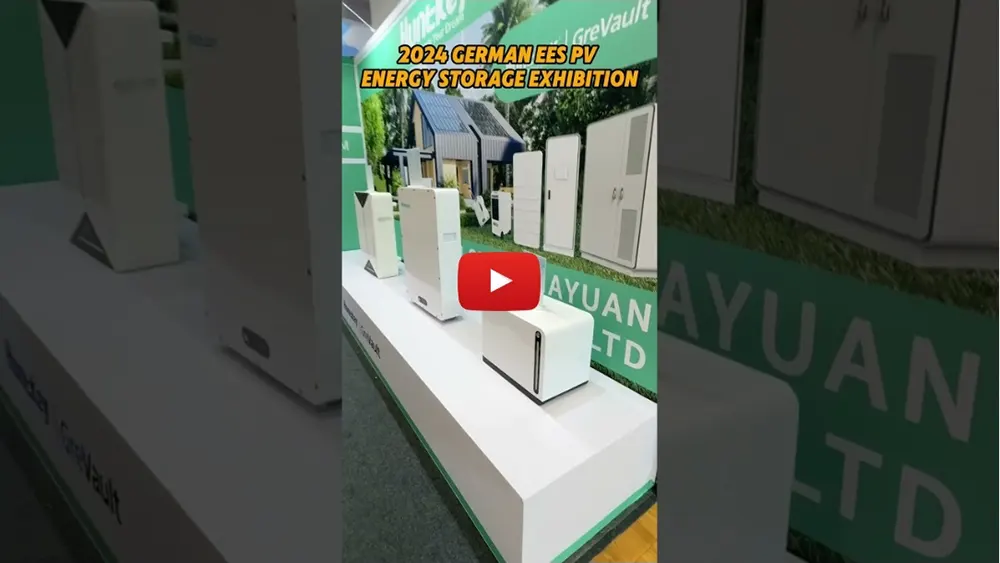
    Huntkey Grevault participated in Germany ESE exihition with 5KW mobile power bank
    Contact Form Demo
    Scroll to Top