energy storage system

Detailed knowledge about battery charging

Detailed knowledge about battery charging
In this article, we will delve into the intricacies of lithium-ion battery charging, covering important aspects from charging methods to golden rules.
Table of Contents
    Add a header to begin generating the table of contents

    Battery charging is an important process for ensuring the proper operation and longevity of lithium-ion batteries energy storage. Understanding the principles, parameters, methods, and stages of battery charging is essential for maximizing the performance and safety of these energy storage devices. In this article, we will delve into the intricacies of lithium-ion battery charging, covering important aspects from charging methods to golden rules.

    YouTube_play_button_icon_(2013–2017)

    1. The Principle of Battery Charging

    Battery charging involves the flow of electrical energy into a battery cell, which results in the conversion and storage of electrical energy in chemical form. When a lithium-ion battery is discharged, lithium ions move from the negative electrode (anode) to the positive electrode (cathode) through an electrolyte. This movement creates an electric current that powers external devices or systems. Lithium ions are transferred from the positive electrode to the negative electrode during charging by reversing the direction of the electric current. This process replenishes the battery’s energy stores, making it ready for use again.

    2. Important Parameters Related to Battery Charging

    To understand battery charging better, let’s explore some crucial parameters that play significant roles in the process:

    • Charging Current: The charging current is the rate at which electric current flows into the battery during the charging process, typically measured in amperes (A). The charging current must be carefully controlled to prevent overcharging, which can lead to safety risks and reduced battery life.
    • Charging Voltage: The charging voltage is the potential difference applied across the battery terminals during charging. It is crucial for driving the lithium ions into the electrodes. The charging voltage needs to be within safe limits to avoid damage to the battery and ensure efficient charging.
    • Charging Cut-off Voltage: To prevent overcharging, during lithium-ion battery charging, have a specified charging cut-off voltage. Once this voltage is reached, charging should stop to ensure the safety and longevity of the battery.
    • Charging Rate: The charging rate is the ratio of the battery’s capacity to the charging time. It is often expressed in units of C, where 1C refers to a charge or discharge current that can fully charge or discharge the battery in one hour.
    • Cycle Times: The cycle times represent the number of complete charge and discharge cycles a battery can undergo before its capacity starts to degrade significantly. Lithium-ion batteries have the highest cycle times among common rechargeable batteries, and proper charging practices can help extend their lifespan.

    Lithium-ion batteries have the highest cycle times among common rechargeable batteries

    3. Charging Methods of Batteries

    Lithium-ion batteries are charged using a variety of techniques, each with unique benefits and uses. Here are the four common charging methods:

    • Constant Current (CC) Charging: In this method, the battery charging is taken with a constant current until it reaches a certain voltage level. This allows the battery to charge quickly in the initial stages.
    • Constant Voltage (CV) Charging: After the CC stage, the charger switches to constant voltage mode, where the charging voltage remains constant while the charging current decreases gradually to avoid battery overcharging.
    • Trickle Charging: Trickle charging involves charging the battery with a very low current after it has reached its full battery capacity.
    • Pulse Charging: Pulse charging involves sending short bursts of current to the battery with specific pulse patterns. This method is used in specialized applications and battery conditioning.

    4. The 7 Stages of Battery Charging

    To better understand the charging process, let’s explore the seven stages of battery charging for lithium-ion batteries:

    1. Initialization: This stage involves checking the battery’s condition and ensuring it is suitable for charging. The charger may perform an initial test to verify the battery’s capacity and compatibility.
    2.  Pre-charge: During the pre-charge stage, a low current is applied to the battery to initiate the charging process gently. It helps prepare the battery for the main charging phases.
    3. Constant Current (CC) Charge: In this stage, the charger applies a large and constant current to the battery, allowing it to charge quickly and efficiently.
    4. Transition to Constant Voltage (CV) Charge: As the battery voltage increases during the CC stage, it reaches the transition point where the charger switches from constant current to constant voltage mode.
    5. Constant Voltage (CV) Charge: In the CV stage, the charger maintains a constant voltage while the battery charging current gradually decreases. This stage ensures that the battery reaches its full capacity without overcharging.
    6. Topping Charge: The topping charge helps ensure that during the battery charging process, the battery is fully charged, compensating for any capacity losses that may have occurred during previous cycles.
    7. Trickle Charge: After reaching full capacity, the charger may switch to trickle charging, applying a shallow current to maintain the battery’s charge and counteract self-discharge.

    Seven stages of battery charging for lithium-ion batteries

    5. Normal Charging Capacity of the Battery

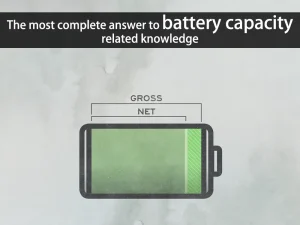
    The standard charging capacity of a lithium-ion battery charging is often rated in milliampere-hours (mAh) or ampere-hours (Ah). It indicates the total charge the battery can store when fully charged. For example, a 2000 mAh battery can theoretically supply 2000 milliamps of current for one hour.

    6. Matching the Battery with a Safe Charger

    It is crucial to use a charger made especially for lithium-ion batteries in order to guarantee safety and top performance. The charger should match the battery’s voltage and current rating. Additionally, it should incorporate safety features like overcharge protection, temperature monitoring, and short-circuit prevention to prevent any accidents or damage during charging.

    7. When to Charge Your Lithium Battery

    It is best to charge a lithium-ion battery before it reaches a critically low state of charge. Frequent full discharges can lead to capacity loss over time. Instead, since lithium-ion batteries have no memory effect, it is recommended to recharge the battery after it has been partially discharged and avoid leaving the battery completely depleted for extended periods, as this can lead to irreversible damage.

    8. Calculating Charging Time and Electricity Required

    The time for a lithium-ion battery charging can be calculated by dividing the battery’s capacity (in ampere-hours) by the charging current (in amperes). For example, if you have a 2000 mAh battery (1000mAh=1A) and are using a 1A charger, the charging time would be approximately 2 hours.

    9. The Golden Rule of Battery Charging

    The golden rule of battery charging is to avoid overcharging. Overcharging can cause the battery to overheat and potentially lead to safety hazards, while overdischarging can result in irreversible damage to the battery’s capacity.

    The golden rule of battery charging is to avoid overcharging

    10. Lithium Battery Charging Requirements

    To ensure safe and effective charging of lithium-ion batteries, consider the following requirements:

    • Avoid Charging in Extreme Temperatures: Charging lithium-ion batteries in excessively high or low temperatures can lead to damage and reduced performance. It is best to charge batteries in a moderate temperature range(20-25℃).
    • Use Chargers with Built-in Safety Features: When charging lithium-ion batteries, opt for chargers that include safety features like overcharge protection, temperature monitoring, and short-circuit prevention.
    • Charge in a Well-Ventilated Area: Battery charging can generate heat, especially during fast charging. To disperse heat and avoid overheating, battery charging must take place in well-ventilated spaces.
    • Store Batteries at Recommended Voltage Levels: If you plan to store lithium-ion batteries for an extended period, ensure they are stored at around 40-60% of their capacity. Storing batteries fully charged or completely discharged for long periods of time can lead to capacity loss.

    11. Charging Lithium Batteries in Solar Systems

    Charging lithium-ion batteries using solar panels requires careful consideration to ensure efficient and safe charging in the lithium-ion battery energy storage. A charge controller such as MPPT is an essential component of a solar charging system. It regulates the charging voltage and current to always be in the normal range, and of course controls the charging process to prevent charging damage to the battery or overcharging, and to optimize the charging efficiency.

    In standalone solar systems, where grid power is not available, the charge controller plays a crucial role in ensuring the battery’s health and performance.

    Charging Lithium Batteries in Solar Systems

    Related posts

    logo+86 – 18925002618
    [email protected]
    Guangpu West Road, Huangpu, Guangzhou, Guangdong, China

    Product

    Video Gallery

    Huntkey automated battery storage workshop process
    Huntkey Grevault participated in Germany ESE exihition with 5KW mobile power bank
    Contact Form Demo
    Scroll to Top