



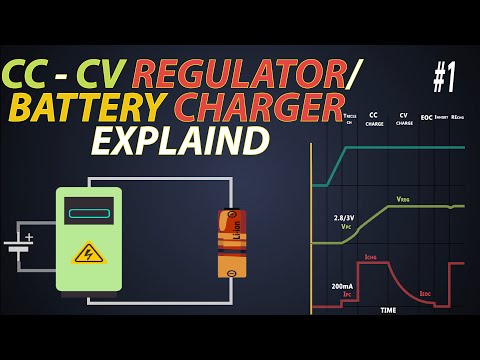

Battery charging methods have come a long way since the days of manually regulating voltage and current. Today, various charging methods cater to the diverse needs of different battery types and applications. Here are some of the most common methods:
- Constant Voltage Charging
Constant voltage charging is perhaps the simplest and most widely used method. It involves applying a constant voltage to the battery terminals while allowing the current to vary. This method is suitable for most lead-acid batteries and many lithium-ion batteries.
- Constant Current Charging
Constant current charging, as the name suggests, maintains a constant current while allowing the voltage to vary. This method is often used for lithium-ion batteries and is known for its ability to charge batteries quickly.
- Smart Charging
With advancements in electronics and battery management systems (BMS), smart charging has become increasingly popular. Smart chargers communicate with the battery to optimize the charging process, ensuring safe and efficient charging while prolonging battery life cycle.

Battery charging system play a pivotal role in numerous applications, shaping the way we interact with technology and energy. Here are some key areas where battery charging system are indispensable:
- Portable Electronics
In the world of portable electronics, battery charging system are the unsung heroes that keep our smartphones, tablets, laptops, and wearable devices powered throughout the day. Compact and efficient chargers have become essential accessories for modern living.
- Electric Vehicles (EVs)
The rise of electric vehicles would be impossible without advanced battery charging system. Charging infrastructure, including fast-charging stations, has made EVs a viable and eco-friendly mode of transportation. These systems enable quick charging to reduce downtime and enhance the convenience of electric vehicles.
- Renewable Energy Storage
The transition to renewable energy storage sources like solar and wind power relies heavily on efficient energy storage systems. battery charging system play a crucial role in storing excess energy generated during sunny or windy periods for later use, ensuring a stable and sustainable energy supply.

One fundamental aspect of battery charging system is the type of power they use—direct current (DC) or alternating current (AC). Understanding the composition, principles, applicable scenarios, and comparison between DC and AC charging is essential to making informed decisions in various applications.
- DC Charging
DC charging involves the direct flow of electrical current in one direction, typically from a DC power source to the battery. It is the preferred method for many modern applications due to its efficiency and compatibility with most battery chemicals. Here are some key aspects of DC charging:
Comparison: Compared to AC charging, DC charging is generally faster and more efficient. It is favored in applications where rapid charging is essential, such as EVs and fast-charging stations.
- AC Charging
AC charging involves the periodic reversal of the electrical current direction, as provided by the standard electrical grid. While less common in battery charging system compared to DC charging, AC charging has its own unique advantages and use cases:
Comparison: AC charging is generally slower than DC charging but is more commonly available through standard electrical outlets. It is suitable for applications where fast charging is not a primary concern.

While battery charging system share common principles and components, they can be categorized into two main types based on their primary function: energy storage battery charging system and power battery charging system. These categories serve distinct purposes and have specific characteristics.
- Energy Storage battery charging system
Energy storage battery charging system are designed primarily for the efficient storage of electrical energy. They are characterized by:
High Capacity: Energy storage systems have high battery capacity and large battery banks capable of storing substantial amounts of energy, often in the form of kilowatt-hours (kWh) or megawatt-hours (MWh).
Compatibility with Renewable Energy: These systems are frequently used in conjunction with renewable energy sources such as solar panels and wind turbines to store excess energy generated during periods of high production.
Slow Discharge: Energy storage systems are typically designed for slow discharge, providing a stable and consistent supply of energy over an extended period.
Grid Stability: They contribute to grid stability by absorbing excess energy during times of surplus and releasing it when demand is high.
- Power battery charging system
Power battery charging system, on the other hand, are engineered for high-power output and are commonly found in applications requiring bursts of energy. Key characteristics include:
High Discharge Rate: Power battery systems are capable of delivering high currents rapidly, making them suitable for applications where quick bursts of power are essential.
Electric Vehicles: Power battery charging system are integral to the electric vehicle industry, providing the rapid charging needed to reduce EV charging times and enhance convenience.
Short Discharge Duration: These systems are designed for short bursts of high-power output, which is crucial for applications like electric propulsion and grid stabilization during sudden demand spikes.
Quick Response: Power battery systems can respond rapidly to changes in demand, making them valuable for load balancing and grid support.
Understanding the distinctions between these two types of battery charging system is essential for selecting the right technology for a specific application. While energy storage systems focus on long-term energy storage and supply, power battery systems excel in delivering rapid power when needed.

Designing an energy storage battery charging system requires careful consideration of various factors, as it plays a pivotal role in the efficient utilization of renewable energy sources and grid stability. Here are the steps involved in designing such a system:
- Determine System Capacity
The first step is to assess the required capacity of the energy storage system. This involves calculating the amount of energy that needs to be stored to meet the application’s needs, considering factors like energy consumption patterns and the capacity of renewable energy sources.
- Select Battery Technology
Choosing the right battery technology is crucial. Different battery chemistries have varying energy densities, lifespans, and discharge characteristics. Lithium-ion batteries are often preferred for their high energy density and cycle life.
- Design Charging Infrastructure
The charging infrastructure should be designed to accommodate the chosen battery technology. This includes selecting the appropriate chargers, voltage regulators, and control systems that align with the battery’s specifications.
- Integration with Renewable Energy Sources
To harness renewable energy effectively, integrate the energy storage system with solar panels, wind turbines, or other sources. Ensure that the charging system can efficiently capture excess energy during peak production periods.
- Implement Control and Monitoring
Implement a robust control and monitoring system to oversee the charging and discharging processes. This system should optimize charging cycles, protect the battery from overcharging or over-discharging, and provide real-time data for performance analysis.

Selecting the right battery charging system is a critical decision that can impact the performance and safety of your devices or applications. Here are some essential criteria to consider when choosing a battery charging system:
- Battery Compatibility
Ensure that the charging system is compatible with the specific type of battery you intend to charge. Different batteries have distinct voltage and current requirements, and using the wrong charging system can damage the battery or reduce its lifespan.
- Charging Speed
Consider the required charging speed. If rapid charging is essential, look for systems designed for quick top-ups. Conversely, if slow, steady charging is acceptable, opt for systems that prioritize battery health and longevity.
- Safety Features
Evaluate the safety features of the charging system. Look for overcharge protection, temperature monitoring, short-circuit protection, and other safety mechanisms to safeguard both the battery and the charging system.

Compressed air energy storage refers to the energy storage method that uses to generate electricity during the peak load period of the grid. This article introduces compressed air energy storage in detail from the aspects of structure and so on.

This article introduces the top 10 manufacturers of liquid cooling products in China, namely Inspur Information, Sugon, Lenovo, Invicoolool, Goaland, Tsinghua Unigroup, TANATAL, Sugon, Alibaba Cloud, and ZTE.

Balcony power generation systems are becoming increasingly popular due to the sharp increases in electricity prices. The number of small solar power systems has doubled so far this year. Here we provide a list of top 7 balcony solar products in the world for your reference.

 +86 – 18925002618





