

The supercapacitor vs battery are combined in hybrid capacitors to create a device that strikes an equilibrium between a high energy and elevated power capacity.
What is supercapacitor?
Capacitors with two layers
- These two-layer capacitors can hold power by using the electrical dissociation of ions at the point of contact among the surface of the electrode as well as the solution of an electrolyte.
- To optimize the creation of a pair of layers, electrodes consisting of activated carbon with an expansive surface are commonly used.
- Despite being well-known for their high capacity and extended lifespans, these capacitors have less energy than other stored energy technologies like lithium-ion battery pack.
Faradaic supercapacitor
- Pseudocapacitors, also known as faradaic supercapacitors, conserve electricity through quick and repeatable redox processes at the electrode-electrolyte interaction.
- These capacitors can be made of conductive polymer compounds, transition metallic oxides, as well as additional components with fast and bidirectional storage of electricity as their electrode components.
- Pseudocapacitors are appropriate for situations needing both high power as well as power conservation because they blend the substantial power output of double-layer capacitance with greater power efficiency.
The supercapacitor vs battery can be grouped according to their design and substances.
Capacitors with an electrolyte
- They’re conventional capacitors, where the electrolyte solution is fluid.
- Tantalum capacitors for electrolysis, as well as electrolytic capacitors made of aluminum, are among them.
Capacitors with composite designs
- The supercapacitor vs battery are combined in hybrid capacitors to create a device that strikes an equilibrium between a high energy and elevated power capacity.
- They usually include a conductor that resembles a power source and an electrode that functions as a supercapacitor.
These capacitors are used in many industries, including solar power, electric automobiles, systems for storing energy, and mobile devices. They are accommodating in situations that need a substantial electricity supply and quick phases of charging and discharging.
A cell: what is it? Supercapacitor vs battery category
A cell is a gadget that uses chemical processes to transform reactive energy into electricity. It comprises a few electrolytic cells, with the cathode, anode, plus solution (which helps transfer ions across the electrode) in every cell.
Cells may be categorized according to several factors, such as their design, science, and use. These are a few typical groupings.
Categorization according to chemical reactions
- Alkaline energy sources
These power sources, frequently used in homes, have electrodes made of manganese dioxide plus zinc.
- Battery made of lithium-ion
These power sources, frequently found in mobile devices, store energy using lithium ions.
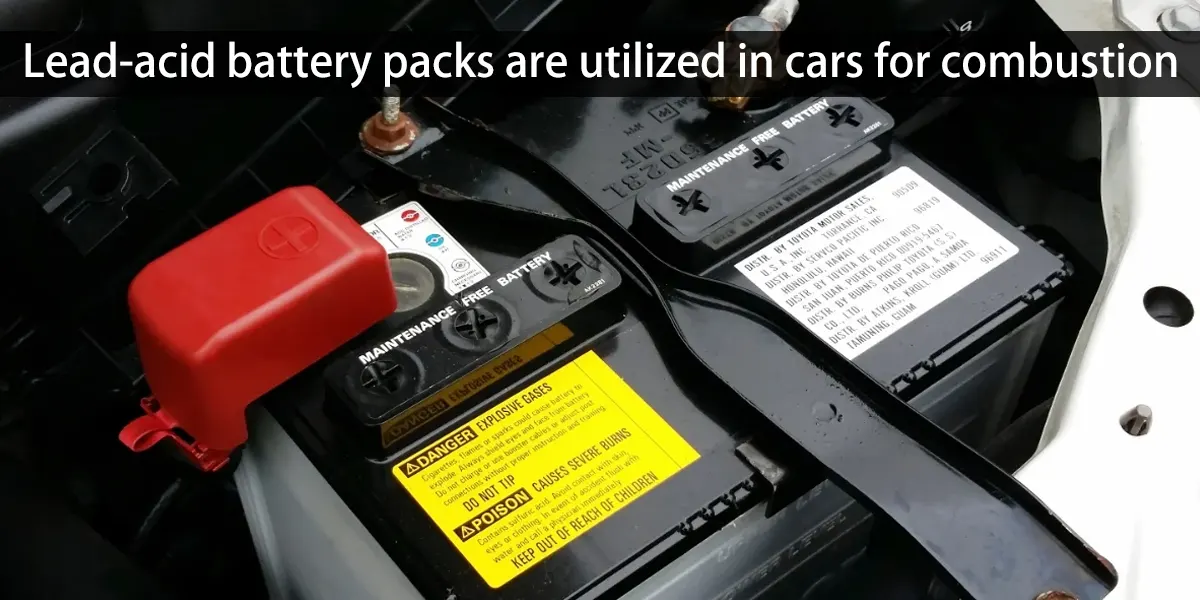
- Cells with lead acid
These power sources, frequently utilized in vehicles, utilize spongy lead dioxide plus lead as an electrode over a solution consisting of sulfuric acid.
- Lead-Silver Cells
Cadmium, as well as nickel oxide hydroxyl electrodes, are used in these cells.
Categorization according to use
- Car cells
Lead-acid battery packs are utilized in cars for combustion, illumination, as well as starting.
- Transportable cells
Frequently present in commonplace electronics, including cameras, computers, and cell phones. Alkaline and lithium-ion cells are two examples.
- Commercial cells.
Utilized in various commercial uses, including uninterruptible energy sources and emergency power for necessary equipment.
Construction-based categorization
- Throwaway Cells
They are designed to be used only once, usually thrown away as the energy is used up. This group includes alkali as well as zinc-carbon cells.
- Reusable cells.
It is engineered to be repeatedly loaded and discarded. Lithium-ion cells with nickel-metal hydride, as well as cells with nickel-cadmium, are a few instances.
Categorization depending on electricity
- Cells with minimal power
Usually, 1.5 volts or lower, alkaline cells are used in gadgets such as Television remote controls.
- Cells with an average power
The typical power range for many handheld electrical devices is 1.5V to twelve volts.
- Cells with elevated voltage
Over 12 volts, such as automobiles, are frequently used in uses with considerable power.
Pros and cons of supercapacitor vs battery
Supercapacitors
Pros
Great Concentration of Energy
A supercapacitor vs battery is perfect for situations needing brief electricity surges since they may provide and recover electricity far more quickly than cells.
Extended Cycle Life
The former usually has an extended battery life cycle when comparing a supercapacitor vs battery. They don’t significantly deteriorate after a lot of charging and discharging rounds.
Low Upkeep
A supercapacitor vs battery are generally simple-to-maintain devices with straightforward construction. They do not have problems similar to the recall effect that specific cells produce.
Extended Spectrum of Operation Temp
Supercapacitors are appropriate for various situations since they can function across an extensive temperature spectrum.
Cons
Poor Concentration of Power
Cells possess a higher power concentration than supercapacitors do. This reduces their potential for storing energy over time since they retain less energy for each volume or mass.
Limits on power
When opposed to battery packs, supercapacitors usually have lower voltage restrictions. Consequently, they might not be appropriate for uses that need greater voltages.
Self-Discharge
When contrasted with battery packs, supercapacitors possess a greater probability of self-dis. This may eventually cause a gradual discharge of energy that has been preserved, particularly in situations with minimal energy densities.
Cells
Pros
Large Concentration of Power
Cells are suitable for storing energy over time because they can store more energy per volume or mass of material than other materials. This is known as their greater power density.
Steady voltage
Because cells may produce a steady electrical source, they are a good choice for purposes that need a reliable power source.
Differential Chemistry
Different battery chemicals, including lead-acid as well as lithium-ion, enable customization according to particular needs like power density, lifespan, and functioning range of temperature.
Cons
Restricted life cycle
Over time, chemical changes that occur throughout rounds of charging and discharging can cause cell deterioration. As a result, there might be a finite amount of beneficial cycles.
Low Rates of Charging and Discharging
A supercapacitor vs battery has more excellent charging and discharging frequencies than cells. They are, therefore, less appropriate for uses demanding sudden spikes in power.
Ecological Issues
Specific cell compositions, such as those that include heavy metals, may cause ecological issues if they aren’t reused or eliminated appropriately.
Distinction between a supercapacitor vs battery
Cells, along with supercapacitors, both conserve electricity. However, they work differently regarding resources, lifespan, power concentration, and operating concepts. This is a fundamental contrast between a supercapacitor vs battery.
Operational Concept
Supercapacitors
Supercapacitors, often called electric double-layered capacitors, hold power by separating electrons electrostatically at the point of contact between the fluid inside and the electrode. They fail to conserve energy through chemical processes.
Cells
Ions flow across the cathode and anode of a battery throughout both charging and discharging cycles, resulting in chemical processes that preserve power.
Resources
Supercapacitors
Utilize substances made from carbon, like activated carbon, to serve as electrodes most of the time. A liquid with ions or an organic solvent is typically the electrolyte.
Cells
Utilize various supplies for solutions as well as electrodes based on the kind of cell. Lithium cobalt oxide, plus several lithium-ion chemicals, are examples of frequently used electrode components.
Energy Content
Supercapacitors
They possess less power concentration than cells. Although they contain only a certain amount of stored energy capability per single mass or space, they may produce enormous energy.
Cells
They possess a greater concentration of power than a supercapacitor vs battery overall, which means they may hold more significant amounts of energy per volume or mass unit. Because of this, cells can be used in situations where extended discharge times are needed.
Lifecycle
Supercapacitors
Usually possess an extended lifespan, enduring from dozens of thousands to several million rounds of charging and discharging. Uses needing prevalent quick charges and discharges are where they shine.
Cells
Cells have different cycling lives depending on their composition. For instance, lithium-ion batteries usually have a couple of thousand to multiple dozen rotations. Extreme temperatures, heavy releases, and forceful charging and discharging circumstances can all shorten cell lifespans.
Usage situations: A supercapacitor vs battery
Although supercapacitor vs battery store energy, gadgets vary in specific ways, rendering them useful in certain situations. Below is a contrast between cells and supercapacitors and a few typical use cases.
Supercapacitors
Applications with Heavy Energy
Tasks requiring quick cycles of charging and discharging work well with supercapacitors. They are appropriate for high-power applications because of their rapid energy delivery and absorption capabilities.
Temporary Energy Retention
A supercapacitor vs battery is the best option for the brief energy reserve in situations requiring sudden power releases, like regenerative brakes in electrically powered vehicles.
Maximum Electrical Support
Supercapacitors may enhance the general efficiency of mixed systems for storing energy by giving cells brief electricity surges to help them fulfill high electricity requirements.
Technologies for Standby Power
Supercapacitors can be temporary power reserves in uninterruptible energy sources when rapid action is essential.
Internet of Things gadgets plus device
A supercapacitor vs battery is used in wearables, cameras, sensors, and other electrical gadgets capable of increasing power.
Cells
Extended Duration Power Retention
Application needing for a long time storage of electricity, like grid energy preservation, electric cars, and small electronics are good fits for cells.
Electrical automobiles
Electric cars’ primary energy storage component is batteries, which provide the capacity required for more extended driving capabilities.
Gadgets for Consumers
Numerous modern gadgets, such as mobile phones, tablets, laptops, and other handheld electronics, rely on cells for power.
Preservation of green energy
To manage demand and supply, cells are essential for conserving energy from environmentally friendly sources such as the sun and the wind for future use.
Energy Uses That Never Stop
Cells work well when a steady and uninterrupted power source is needed, like in isolated or rural regions.
Advantages and disadvantages of supercapacitors against LFP cells
Lithium Iron Phosphate cells and supercapacitors are two different types of technologies for storing power. Below are a few pros and cons for each.
Supercapacitors
- Advantages
Large Concentration of Electricity
A supercapacitor vs. battery is appropriate for tasks that call for quick Charge and Discharge since they have a far greater energy delivery rate and absorption than cells.
Extended Lifecycle
Supercapacitors can endure multiple rounds of charging and discharging without experiencing appreciable deterioration, giving them an advantage over conventional cells in terms of lifespan.
Minimal Upkeep
Relative to specific cell innovations, supercapacitors are relatively straightforward gadgets that need fewer repairs.
Broad Variation of Temperatures
A supercapacitor vs. battery is appropriate for severe situations because of its broad operating temperature spectrum.
- Disadvantages
Poor Concentration of Power
Supercapacitors retain a smaller amount of power per unit of volume or mass compared to cells because they often have a lower concentration of power.
Limits on power
Because supercapacitors usually possess fewer electrical limitations compared to battery packs, there may be certain situations where usage is restricted.
Price
When comparing prices per power unit, a supercapacitor vs battery may be more costly than some battery types.
LFP Power Sources
- Advantages
Large Concentration of Power
Lithium iron phosphate battery (LFP batteries) offer a greater power concentration than supercapacitors, making them better for uses requiring larger power retention capacities.
Steadiness
Relative to other lithium-ion cells, LFP cells are renowned for their temperature and chemical resilience, which lowers the possibility of heating or setting a flame.
Extended Durations of Release
LFP cells work effectively in situations that call for prolonged, continuous releases, such as storing clean power as well as electric cars.
Advanced Innovation
Because LFP cells have a long history and have been consistently in operation for some time, their efficiency is dependable and easily comprehended.
- Disadvantages
Reduced Concentration of Energy
Because LFP cells sometimes have less energy concentration compared to supercapacitors, they might be less effective in situations where quick charging and discharging are necessary.
Restricted lifespan
Although LFP cells have an excellent lifespan, they may be shorter than other supercapacitors.
Mass
Whenever weighed against a supercapacitor vs battery with a comparable energy-storing capability, LFP cells can be pretty bulky.
Which is better for storing power: supercapacitor vs. battery?
Because every innovation has pros and cons, the decision regarding supercapacitors and cells ultimately comes down to the particular needs of the use case.
- Supercapacitors
Quick Charge and discharge
A supercapacitor vs battery works well in fast charging and discharging phases, making them appropriate for uses needing brief power surges.
Extended Lifecycle
Comparing supercapacitors to conventional cells, the former usually has an extended lifespan. They don’t significantly deteriorate after a lot of cycles of charging and discharging.
Large Concentration of Energy
Supercapacitors are capable of providing a lot of energy in a brief period because of their substantial energy concentration.
Thermal Consistency
AÂ supercapacitor vs battery has good performance in a broad spectrum of temperatures.
The Supercapacitors' limits
Poor Concentration of Power
Overall, a supercapacitor vs battery is more energy-dense than cells. As a result, their total power storage capacity per unit of volume or mass is reduced.
Limits on power
Supercapacitors can only be used in specific situations because they usually run at fewer volts than cells.
Self-discharging
In contrast to cells, supercapacitors may have faster rates of discharging themselves, which gradually may result in power loss.
Large Concentration of Power
In contrast to supercapacitor vs battery, batteries—like lithium-ion cells—have an increased concentration of power, enabling them to hold more power in less space.
Steady power
Cells are appropriate for uses that need a steady energy source because they produce a consistent electrical source.
Greater Variety of Uses
Cells are adaptable and have various uses, including grid preservation, electricity-powered automobiles, and handheld devices.
Battery constraints
Gradual Charge and discharge
A supercapacitor vs battery has more excellent charging and discharging cycles than cells.
Restricted cycle life
Cells may deteriorate with time, particularly following a given amount of charging and discharging phases.
Heat Dependency
Temperature fluctuations may impact the efficiency of specific cell compositions.
Summary
Cells are more appropriate for uses that value more power and a steady voltage supply throughout extended periods. In contrast, a supercapacitor vs battery is better adapted for those requiring immediate power spurts and excessive charging and discharging phases. The particular requirements of the task will determine which option is best. Combinations incorporating cells and supercapacitors are occasionally employed to use the advantages of every innovation.
FAQ
The decision amongst supercapacitors and cells eventually boils down to the particular needs of the use case. Supercapacitors' quick charging and discharging times could be more beneficial for specific uses than others, needing cells' greater power concentration. The finest of the two realms may occasionally be available with mixed structures that integrate both innovations.
Supercapacitors are rarely a perfect substitute for cells despite their many benefits. A supercapacitor vs battery should be selected according to the particular needs of the use, considering variables including power demands, lifespan, power concentration, and power output. To capitalize on every innovation's advantages, mixed systems for storing energy combining cells and supercapacitors could be employed in specific situations. Here are more information about balcony solar storage system.
Electrical double-layer capacitance, called supercapacitors or ultracapacitors, is a power-storage gadget that conserves and discharges power via the electrical dissociation of Charge. A supercapacitor vs battery is not widely employed as the principal battery technology for launching automobiles, even though it can generate enormous electrical surges and possess rapid Charge and discharge capabilities.
To turn the combustion chamber and start the car, the engine starter in a standard vehicle system needs a lot of energy for a brief period. Supercapacitors have high electrical output, but supercaoacitor energy storage capacity might not be sufficient to keep the starter motor running for the time required to start the combustion process. Conventional lead-acid and recent lithium-ion cells are frequently employed in automobiles since they can supply the energy needed over a longer time. They are, therefore, more suitable for igniting an automobile. A supercapacitor vs battery isn't usually the primary source of starting energy for cars; instead, they can be utilized with cells to give extra power in demanding scenarios like rechargeable braking or fast acceleration.


+86 – 18925002618






