



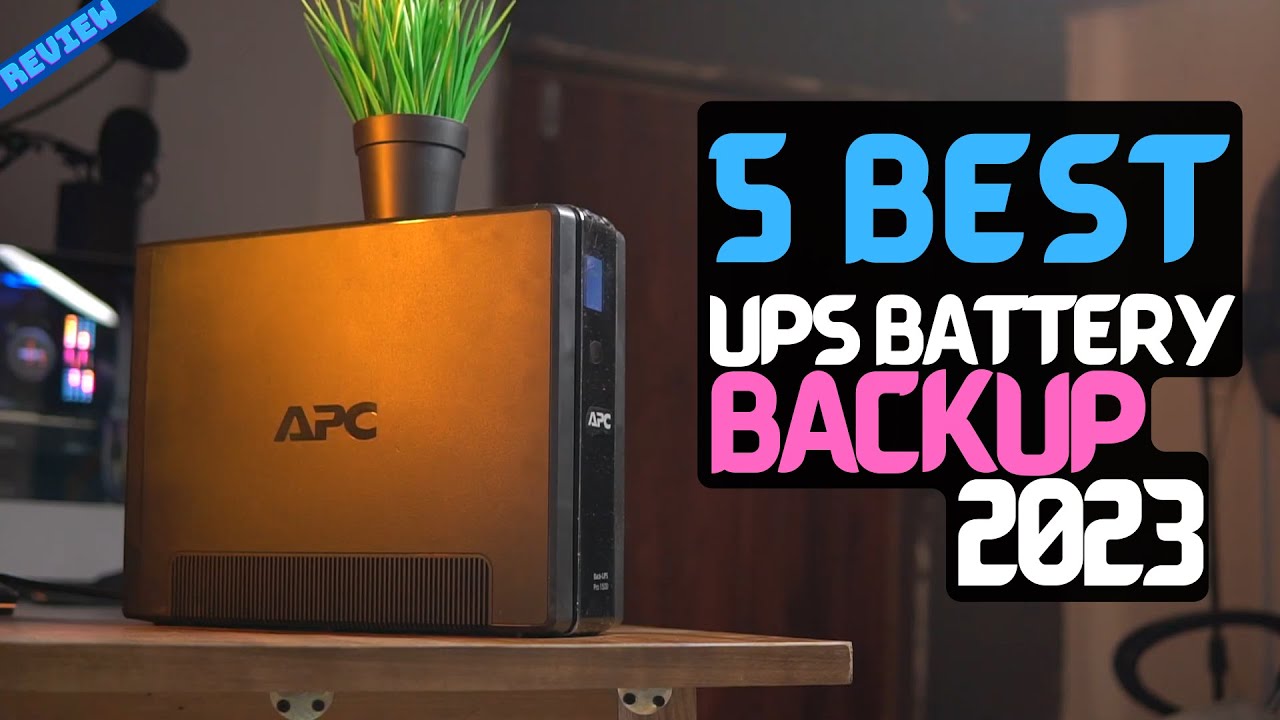

UPS lithium batteries find application in diverse settings, from data centers, hospitals, and offices to residential homes and many more.

- Longer Cycle Life
Comparing lithium-ion batteries to lead-acid batteries, the former has a longer cycle life. They can sustain a higher volume of charge and discharge cycles without excessive losing capacity. The need for frequent battery replacements is diminished by the longer lifespan, which lowers overall costs.
- Lightweight Design
The lightweight nature of lithium batteries simplifies installation and transportation. It also reduces the structural requirements for UPS systems, making them more versatile in various settings.
- Free Maintenance
Lead-acid batteries require regular maintenance, including topping them up with distilled water and monitoring for corrosion. In contrast, lithium batteries are virtually maintenance-free, reducing operational hassles.
A UPS lithium battery system is composed of several key components that work together to provide uninterrupted power during electrical outages. Understanding these components and their functions is crucial for designing and maintaining an effective UPS system. Let’s explore the elements that make up a typical UPS lithium battery system:
Components of a UPS Lithium Battery System
A UPS lithium battery system consists of several key components, each with a specific role in ensuring reliable backup power. These components work together seamlessly to provide uninterrupted electricity during outages.
It contains the electronics, inverters, and controls necessary to monitor the incoming power supply, detect disruptions, and switch to battery power instantaneously.
UPS units are available in various sizes and configurations to accommodate different power requirements, from small home setups to large data centers.
- Lithium Battery pack
The lithium battery pack is a central component that stores electrical energy in the form of DC (direct current). These batteries are known for their high energy density, reliability, and long cycle life.
- Battery Management System (BMS)
The Battery Management System (BMS) is responsible for monitoring and managing the lithium battery’s performance and safety. It continuously tracks parameters such as voltage, temperature, and state of charge.
The BMS ensures that the battery operates within safe limits, communicates with the UPS unit for optimized charging and discharging, and prevents overcharging or over-discharging.
- Inverter
The energy storage inverter is a critical component that converts the DC power stored in the lithium battery pack into AC (alternating current) power. This AC power is used to supply connected devices and systems, ensuring they receive a stable and uninterrupted power source.
- Automatic Transfer Switch (ATS)
The Automatic Transfer Switch (ATS) continuously monitors the incoming power supply. When it detects any interruption, voltage sag, or abnormality in the main power source, it rapidly switches the electrical load from the mains to the UPS system and the lithium battery pack. This seamless transition ensures that connected devices and systems remain powered without interruption.
- Monitoring and Control Interface
Many UPS systems incorporate a monitoring and control interface that allows users to monitor the system’s status, configure settings, and receive real-time alerts or notifications. This interface provides valuable information about the UPS system’s health and performance.
Designing a UPS Lithium Battery System
To meet specific power needs and guarantee reliability, careful consideration of a number of factors is necessary when designing a UPS lithium battery system. Here are the key steps and design considerations:
- Determine Power Requirements
Begin by assessing the power requirements of the devices and systems you intend to power with the UPS system. Calculate the total power load in watts (W) or volt-amperes (VA) to determine the UPS unit’s capacity and the size of the lithium battery pack needed.
- Select the UPS Unit
Choose a UPS unit that matches the calculated power load. Consider factors such as load capacity, input voltage range, and runtime requirements.
- Size the Lithium Battery pack
Determine the capacity and voltage requirements of the lithium battery pack. The capacity should provide sufficient runtime to support critical systems during power outages. Ensure that the voltage matches the UPS unit’s requirements.
- Battery Management System (BMS)
Select a lithium battery pack equipped with a Battery Management System (BMS) that is compatible with the chosen UPS unit. Ensure that the BMS provides monitoring, protection, and communication features necessary for safe and efficient operation.
- Integration and Wiring
Properly integrate the UPS unit, lithium battery pack, and associated components following the manufacturer’s guidelines. Ensure correct wiring, polarity, and cable sizing. Utilize high-quality cables and connectors designed for the application.
- Ventilation and Cooling
Evaluate the need for ventilation and cooling, especially if the system is installed in an enclosed space. Proper airflow and cooling help dissipate heat generated during operation, ensuring battery safety and performance.
Common Specifications of UPS Lithium Battery Systems
When selecting and configuring a UPS lithium battery system, consider the following common specifications and parameters:
- Capacity (Ah or kWh)
The capacity of the lithium battery pack indicates the total amount of energy it can store. Choose a capacity that meets the runtime requirements of your critical systems.
- Voltage (V)
The voltage rating of the lithium battery pack should match the input voltage requirements of the UPS unit, depending on the UPS system’s design.
- Cycle Life
Cycle life is the quantity of charge and discharge cycles that a lithium battery can withstand before there is a significant decline in capacity.
- Efficiency (%)
Battery efficiency measures how effectively the battery converts stored energy into usable power. A higher efficiency rating means less energy is wasted as heat during conversion.
- Compliance and Certifications
Ensure that the UPS lithium battery system complies with relevant safety and environmental standards and holds necessary certifications, such as UL or CE.
By carefully considering these specifications, design factors, and compatibility requirements, you can create a UPS lithium battery system tailored to specific needs and critical power backup requirements.
This ensures that yessential systems and devices remain operational during power interruptions, safeguarding against data loss and downtime.

Choosing a safe and reliable UPS lithium battery manufacturer is a critical step in ensuring the performance and longevity of backup power system. Here are some key factors to consider when selecting a manufacturer:
- Reputation and Experience
Research the manufacturer’s reputation and experience in the industry. Established manufacturers with a history of producing quality products are more likely to deliver reliable UPS lithium batteries.
- Certification and Compliance
Verify that the manufacturer’s products meet industry standards and certifications for safety, performance, and environmental compliance. Certifications from organizations like UL (Underwriters Laboratories) and CE (Conformité Européene) are indicative of product quality.
- Warranty and Support
Review the manufacturer’s warranty policies and customer support offerings. A strong warranty provides assurance of product quality, and responsive customer support is essential in case of issues or inquiries.

Proper usage and maintenance of a UPS lithium battery are essential to ensuring its longevity and reliable performance. Let’s delve into detailed instructions on how to use a UPS lithium battery effectively.
How to Install UPS Lithium Battery
- Safety First: Ensure that all safety precautions are followed, including wearing appropriate protective gear and working in a well-ventilated area.
- Location: Choose an appropriate location for the UPS system and lithium battery pack. It should be away from direct sunlight, extreme temperatures, and moisture.
- Secure Mounting: Securely mount the lithium battery pack in the designated enclosure or rack, following the manufacturer’s guidelines for proper installation.
- Proper Wiring: Connect the lithium battery pack to the UPS unit, ensuring correct polarity and proper cable routing. Use high-quality cables and connectors designed for the application.
- Battery Management System (BMS): If the UPS lithium battery requires a separate Battery Management System (BMS), ensure that it is properly installed and connected.
- Ventilation: If necessary, set up adequate ventilation to dissipate heat generated during operation. Ensure that the enclosure allows for proper airflow.
- Testing: Perform initial system tests to ensure that the UPS unit recognizes the lithium battery pack and can switch to battery power seamlessly.
How to Safely Charge UPS Lithium Battery
- Charging Parameters: Familiarize the recommended charging parameters provided by the lithium battery manufacturer, including voltage and current limits.
- Charging Equipment: Use a compatible charger or charging system designed for lithium batteries. Do not attempt to charge the batteries with equipment not intended for this purpose.
Maintenance of UPS Lithium Battery
Regular Inspections: Perform routine visual inspections of the UPS lithium battery, checking for signs of physical damage, corrosion, or leaks.
- Cleaning: Keep the battery and its surroundings clean and free of dust and debris. Clean the terminals and connectors to maintain good electrical contact.
- Capacity Testing: Periodically test the battery’s capacity to ensure it can deliver the required backup power. Consult the manufacturer’s recommendations for testing procedures.
- Cell Balancing: If applicable, monitor and maintain cell balancing to ensure that all cells in the battery pack have similar voltage levels.
How to Store UPS Lithium Battery
- Storage Conditions: If you need to store UPS lithium batteries for an extended period, store them in a cool, dry place within the manufacturer’s specified temperature range.
- State of Charge: Maintain the battery at a partial state of charge (around 50%) during storage. Lithium batteries should not be stored fully charged or discharged.
- Disconnect Loads: Disconnect any loads from the battery during storage to prevent unnecessary discharge.
- Monitoring: Periodically check the state of charge and overall condition of stored batteries. Recharge them if the state of charge drops significantly.
By following these instructions for installation, charging, maintenance, and storage, you can maximize the lifespan and reliability of UPS lithium battery, ensuring that it is ready to provide backup power when needed.


This article introduces the top 10 PV manufactures in China, they are TONGWEI GROUP, LONGIJinKO Solar, TBEA, Trinasolar, JA solar, TCL-ZHONGHUAN, SUNGROW, CHNT, Risen.

Balcony power generation systems are becoming increasingly popular due to the sharp increases in electricity prices. The number of small solar power systems has doubled so far this year. Here we provide a list of top 7 balcony solar products in the world for your reference.

This article introduces the new technology of flywheel energy storage, and expounds its definition, technology, characteristics and other aspects.

 +86 – 18925002618





