




Understanding the Types of Lithium Battery Chargers
Battery chargers for lithium batteries come in various types to cater to different lithium battery chemistries and applications. The most common types include:
- Lithium-ion battery chargers
- Lithium iron phosphate battery chargers
- Lithium solar battery chargers
- Marine battery chargers for lithium batteries
- Fast lithium battery chargers
- Each type is designed to provide the appropriate charging voltage and current for the specific lithium battery chemistry intended for.
The Charging Principle of Lithium Battery Chargers
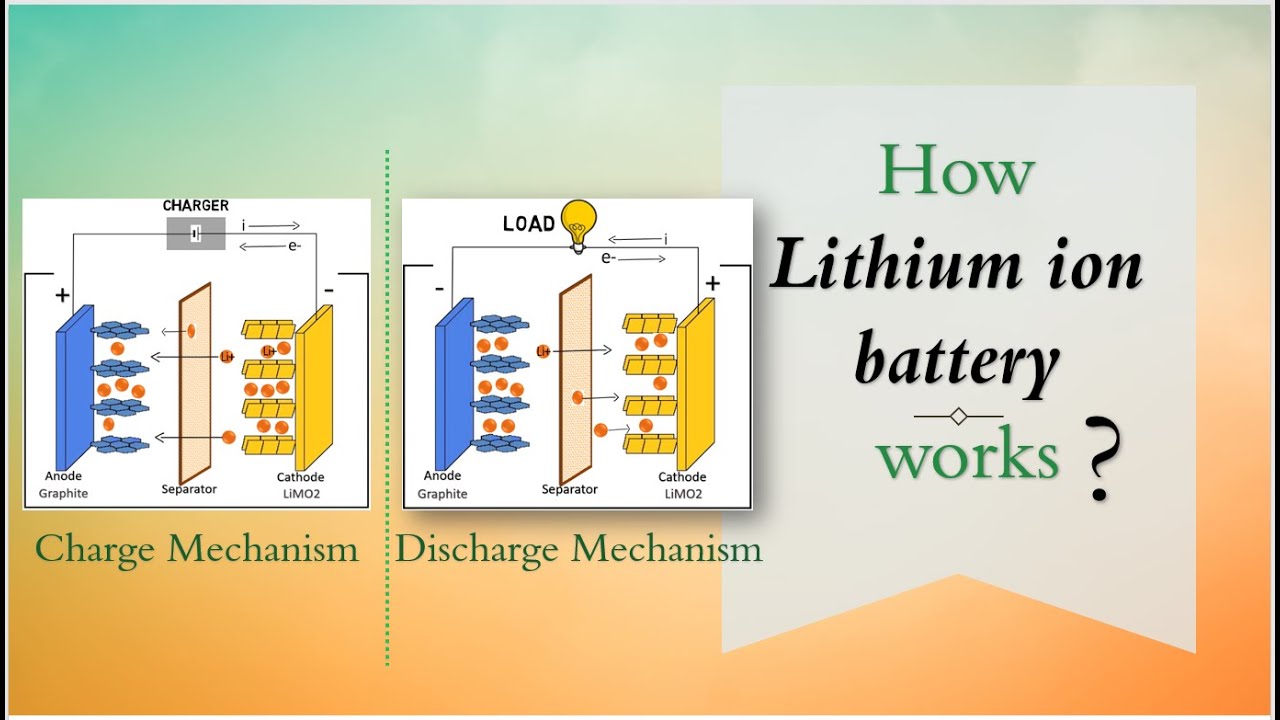
The charging principle of battery chargers for lithium batteries involves delivering a controlled amount of current and voltage to the battery cells. This process typically consists of multiple stages, including bulk charging, absorption charging, and float charging. Battery chargers for lithium batteries use sophisticated electronics to monitor the battery’s voltage and temperature, adjusting the charging parameters accordingly to prevent overcharging or undercharging.

Why You Need a Special Lithium Battery Charger
There is always a question “Can I charge a lithium battery with a normal charger” or “Do lithium batteries need a special charger”. Unlike traditional lead-acid batteries, lithium batteries require precise charging algorithms to prevent damage and ensure optimal performance. Using a generic or incompatible charger can result in overcharging, overheating, and even permanent damage to the battery cells.
Specialized battery chargers for lithium batteries are equipped with the necessary features and safety mechanisms to handle the unique characteristics of lithium chemistry, making them essential for maintaining battery health and safety. So, it’s necessary to find the best charger for lithium batteries. Here are more about lithium battery BMS.
Different Types of Lithium Battery Chargers and Their Applicable Scenarios
Here’s a summary of the different types of battery chargers for lithium batteries and their applicable scenarios:
- Charger for Lithium-ion Battery
Ideal for consumer electronics, electric vehicles, and energy storage systems where high energy density and efficient charging are required.
- Lithium Iron Phosphate (LiFePO4) Battery Chargers
They are commonly used in solar power systems, electric vehicles, and off-grid applications due to their long cycle life and inherent safety features.
- Solar Chargers for Lithium Batteries
They are designed for charging lithium batteries using solar panels, making them perfect for outdoor adventures and remote locations where access to traditional power sources may be limited.
- Marine Lithium Battery Chargers
Specifically engineered to withstand harsh marine environments and provide reliable charging for marine applications such as boats, yachts, and marine recreational vehicles (RVs).
Each type of battery charger for lithium batteries is tailored to meet the unique requirements of its intended application, ensuring efficient and reliable charging in diverse scenarios.

How to Choose a Suitable Lithium Battery Charger
When selecting a battery charger for lithium batteries, consider the following parameters:
- Voltage and current rating compatible with your battery
- Charging profile (constant current, constant voltage, etc.)
- Safety features (overcharge protection, short-circuit protection, etc.)
- Portability and convenience (size, weight, charging interface)
- Reputation and reliability of the manufacturer
Application of Fast Charging Technology in Lithium Battery Chargers
Fast charging technology achieves this accelerated charging speed through several mechanisms:
- Higher Charging Current: Fast chargers can deliver higher charging currents to the battery, allowing for faster replenishment of energy. By increasing the current while maintaining safe charging parameters, fast chargers can quickly restore the battery’s charge without compromising its longevity.
- Advanced Charging Algorithms: Fast chargers utilize sophisticated charging algorithms to optimize the charging process. These algorithms monitor various parameters such as battery temperature, voltage, and state of charge to dynamically adjust the charging current and voltage, ensuring fast and efficient charging while preventing overcharging and overheating.
- High-Power Delivery: Fast chargers are equipped with high-power delivery mechanisms that can supply the necessary energy to the battery at a rapid rate. This enables devices such as electric vehicles to charge their batteries quickly, allowing for shorter downtime and extended driving range.
- Compatibility with Lithium Battery Chemistries: Fast charging technology is compatible with various lithium battery chemistries, including lithium-ion and lithium iron phosphate (LiFePO4) batteries. This versatility allows fast chargers to be used in a wide range of applications, from smartphones and laptops to electric vehicles and energy storage systems.

Differences Between Energy Storage Battery Chargers and Power Battery Chargers
The differences between energy storage battery chargers like lithium-ion battery energy storage and power battery chargers lie in their intended applications, charging characteristics, and specific features tailored to meet the demands of different types of batteries. Here’s a breakdown of these variances:
Intended Applications
- Energy Storage Battery Chargers: These chargers are designed for stationary applications, such as residential and commercial energy storage systems, grid-scale battery storage facilities, and uninterruptible power supplies (UPS). They are primarily used to store surplus energy generated from renewable sources (e.g., solar panels, wind turbines) or during off-peak hours for later use.
- Power Battery Chargers: Power battery chargers are intended for high-performance applications that require rapid charging and discharging capabilities. They are commonly used in electric vehicles (EVs), hybrid electric vehicles (HEVs), and other portable or mobile power applications where power density and quick turnaround times are critical.
Charging Characteristics
- Energy Storage Battery Chargers: These chargers prioritize efficiency, reliability, and safety. They typically employ slower charging rates and sophisticated charging algorithms optimized for energy storage batteries, such as battery chargers for lithium-ion batteries or lead-acid batteries. The focus is on maximizing energy transfer while minimizing losses and ensuring long-term battery health.
- Power Battery Chargers: Power battery chargers emphasize rapid charging and high-power delivery. They are designed to replenish batteries quickly, allowing for shorter downtime and extended operational range in applications like electric vehicles. These chargers often feature fast-charging capabilities and advanced cooling systems to manage heat generated during rapid charging. Here are more about balcony solar storage system.
Specific Features
- Energy Storage Battery Chargers: Energy storage battery chargers may include features such as temperature compensation, voltage regulation, and communication interfaces for monitoring and control. They may also support bidirectional power flow for applications like grid stabilization and peak shaving.
- Power Battery Chargers: Power battery chargers typically incorporate fast-charging protocols, such as CHAdeMO or CCS (Combined Charging System), to support the rapid charging of electric vehicle batteries. They may also include smart charging functions, battery management systems (BMS), and thermal management systems to ensure safe and efficient charging. Clik here to get more knowledge about lithium battery energy density.
The Relationship Between Smart Charging Function and Lithium Battery Life
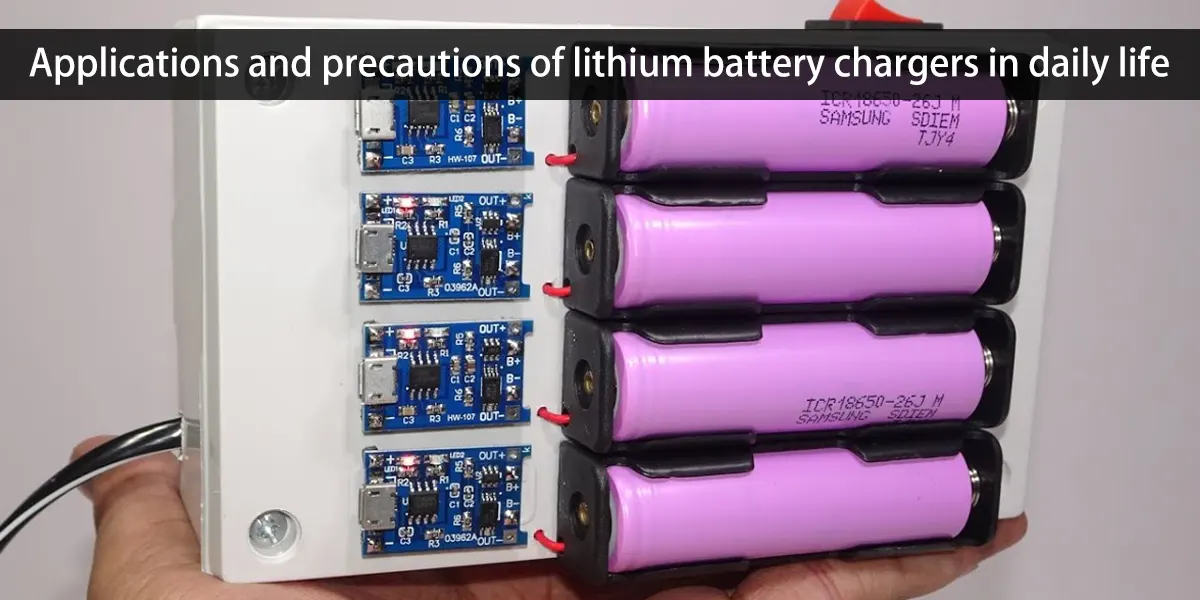
Smart charging functions, such as temperature compensation, charge termination, and cell balancing, play a crucial role in maximizing lithium battery life and performance. These features help prevent overcharging, uneven cell voltages, and excessive temperature rise, which can degrade battery health over time. Investing in a battery charger for lithium batteries with smart charging capabilities can significantly extend the lifespan of your batteries and ensure consistent performance.
Precautions for Maintaining Lithium Battery Chargers
To prolong the lifespan of your battery charger for lithium batteries and ensure safe operation, follow these precautions:
- Keep the charger away from moisture, heat, and direct sunlight.
- Regularly inspect the charger for signs of damage or wear.
- Avoid overloading the charger beyond its rated capacity.
- Follow the manufacturer’s instructions for storage and maintenance.


 +86 – 18925002618





