

As the demand for renewable energy develops, solar power has become one of the most popular and easily available forms of clean energy in many countries. But the biggest problem with solar power is how to store the energy produced during the day so that it may be utilized at night or in cloudy conditions. As a result, determining the best way to store solar energy is a critical step in ensuring a reliable and efficient electricity supply.
Various storage solutions are now accessible, ranging from traditional battery systems to more sophisticated thermal and mechanical storage. Understanding how each method works and its benefits will assist users, both residential and commercial, in determining the best way to store solar energy that meets their demands and will enhance the overall efficiency of solar energy use.
What Is Solar Energy Storage?
Solar energy storage refers to storing the electrical energy generated by solar panels—typically in the form of chemical energy within batteries—so it can be used later, especially at night or during low sunlight periods. Even though solar energy output is erratic, this technique is crucial to the best way of store solar energy since it helps maintain a steady supply of electricity.

The basic idea is that solar energy is transformed into electricity by solar panels and then stored for later use in a medium like a battery. With this method, users can make the most of solar energy without being totally dependent on the public power grid.
In addition to increasing the efficiency of renewable energy use, solar energy storage promotes long-term electricity cost savings and contributes significantly to the development of a more ecologically conscious lifestyle. Therefore, understanding solar energy storage is a key step toward transitioning to a clean and sustainable energy system.
How Solar Energy Storage Works?
Solar power generation begins with solar panels capturing sunlight, and solar energy storage refers to storing the electricity produced for later use and converting it into electrical energy via the photovoltaic effect. The energy produced can then be used right away to meet daily electrical needs or stored in a battery or other storage device for use at a later time when solar energy production declines.
In this system, the best way to store solar energy is often to use batteries that can store extra electricity throughout the daytime. To maintain a steady flow of electricity, the stored energy will be dispersed once more when night falls or the weather is overcast. Other critical components, such as inverters, play a role in converting direct current (DC) from solar panels into alternating current (AC) for usage by household appliances or business systems.
With advances in technology, solar energy storage systems now include advanced controls that can monitor battery capacity, regulate energy flow, and optimize electricity usage efficiency. Through this method, the optimal approach to store solar energy is determined not only by the type of battery, but also by system settings that may balance energy requirements with available supply.
Types of Solar Energy Storage Systems
There are various energy storage technologies applicable to solar systems that are used to ensure that energy from solar panels is available whenever it is needed. Each type has various working principles, efficiency, and costs, so it is critical to grasp their differences before deciding the best way to store solar energy for your needs.

- Battery-based storage systems
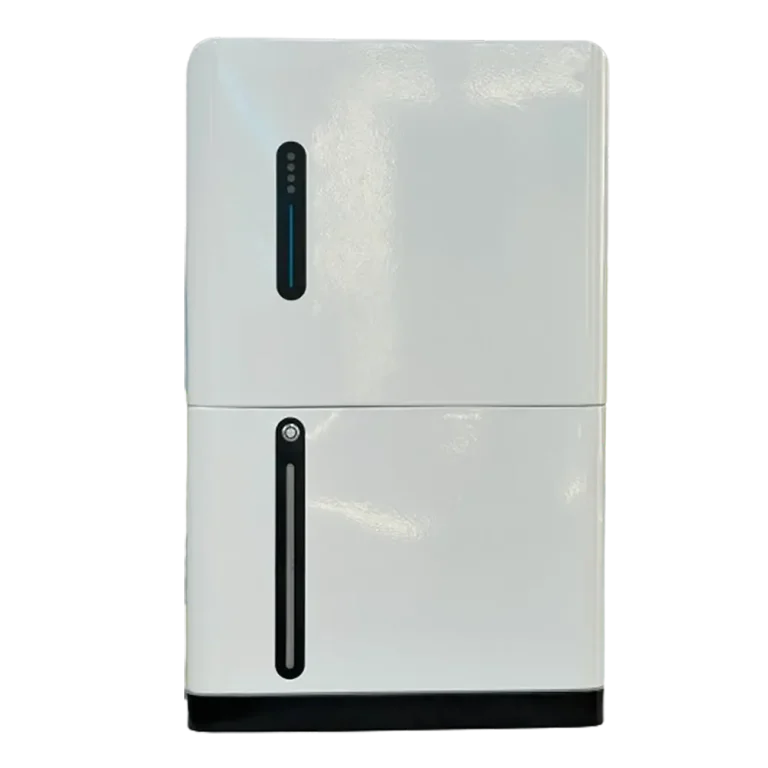
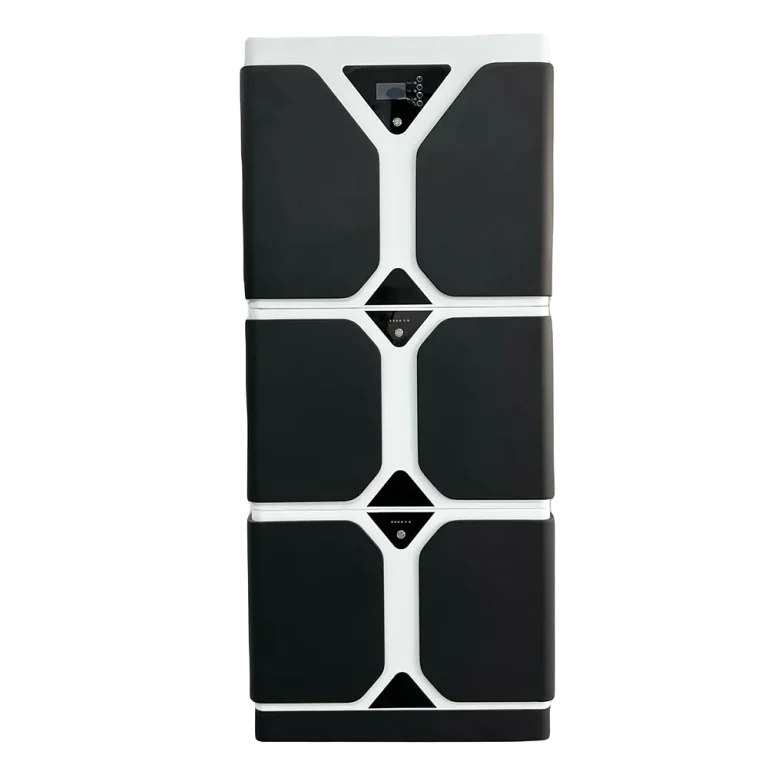
This is the most widely used variety, particularly in households. Electricity generated by solar panels is regulated by a charge controller and then stored in batteries such as lithium-ion or lead-acid types. This technology is efficient and simple to execute, making it one of the most practical methods for storing solar energy. - Thermal storage systems
In this system, heat is produced from solar radiation and stored in substances like water, molten salt, or phase-change materials. Power generating, water heating, and space heating are all possible uses for this thermal energy. - Mechanical storage systems
This kind, which includes flywheels, compressed air energy storage, and pumped hydro storage, uses potential or kinetic energy to store power. Mechanical systems have a long service life and a big storage capacity, although they are more frequently utilized on a large scale.
Depending on the size, function, and usage circumstances, each system offers unique benefits. Selecting the best solution is crucial to figuring out how to store solar energy effectively and sustainably.
Battery Options for Storing Solar Energy
Batteries, managed by a charge controller, store the DC electrical energy generated by solar panels for later use. Selecting the appropriate battery type is essential to the system’s overall effectiveness and longevity. Understanding the many types of batteries can help you identify the best way to store solar energy for your specific needs.
- Lithium-ion batteries
Lithium-ion batteries are the most common and efficient type used in modern solar systems. Solar applications primarily use lithium iron phosphate (LiFePO₄), a lithium-ion variant known for its long cycle life, high efficiency, and stable thermal performance. Despite being more expensive, these batteries offer reliable and durable performance for long-term use. - Lead-Acid Battery
Lead-acid batteries are still widely utilized despite being an older technology due to their lower cost. However, these batteries have a shorter lifespan and require more regular maintenance than lithium-ion batteries. Usually, they are appropriate for short-term backup or small-scale solar power systems. - Flow Battery.
In order to produce electricity, Flow batteries store energy in liquid electrolytes kept in separate tanks and flow through electrochemical cells. They can be cycled thousands of times with minimal degradation, making them suitable for large-scale industrial or commercial applications. Large-scale industrial or commercial applications can benefit from this system’s durability and ability to be recharged without experiencing severe degradation. - New Battery Technologies (Solid-state, Sodium-ion)
Solid-state and sodium-ion batteries are two new battery technologies being explored as more efficient and ecologically friendly substitutes. For example, sodium-ion has less production costs. This technique may contribute to the most effective solar energy storage system in the future.
Every battery type has pros and cons of its own. The optimal battery choice depends on system energy demand, budget, installation environment, and maintenance requirements.
The Best Way to Store Solar Energy at Home or Business
The best way to store solar energy is determined by your energy requirements, budget, and level of usage. The primary objective is to guarantee that energy from solar panels may be used as efficiently as possible without being squandered, whether for homes or companies.

Here are some ways and advice to consider:
- Use high-efficiency batteries: Lithium iron phosphate (LiFePO₄) batteries are generally the best option, offering over 90% round-trip efficiency, long service life, and minimal maintenance. For homes looking to optimize their daily solar energy consumption, this is the perfect option.
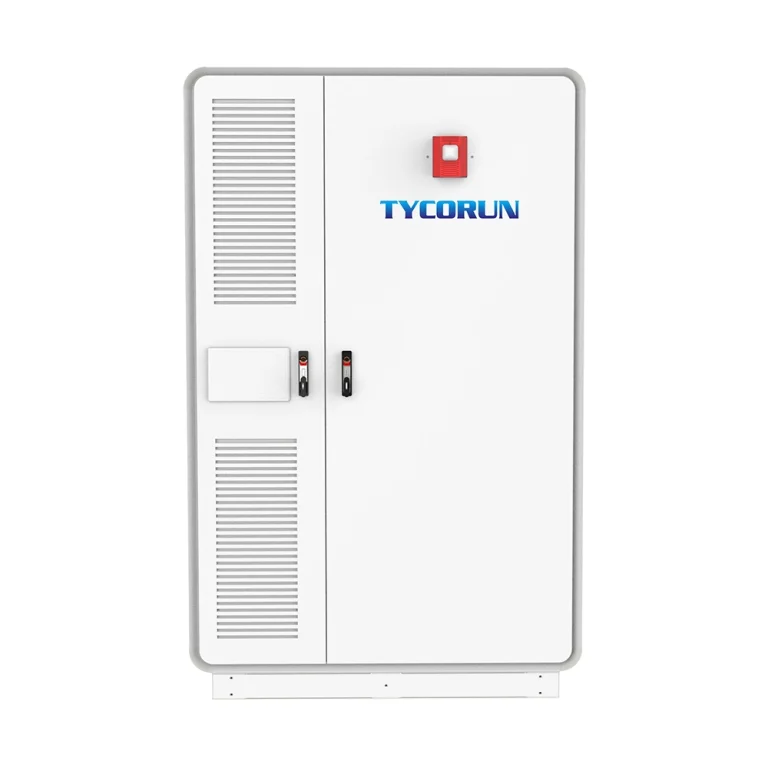
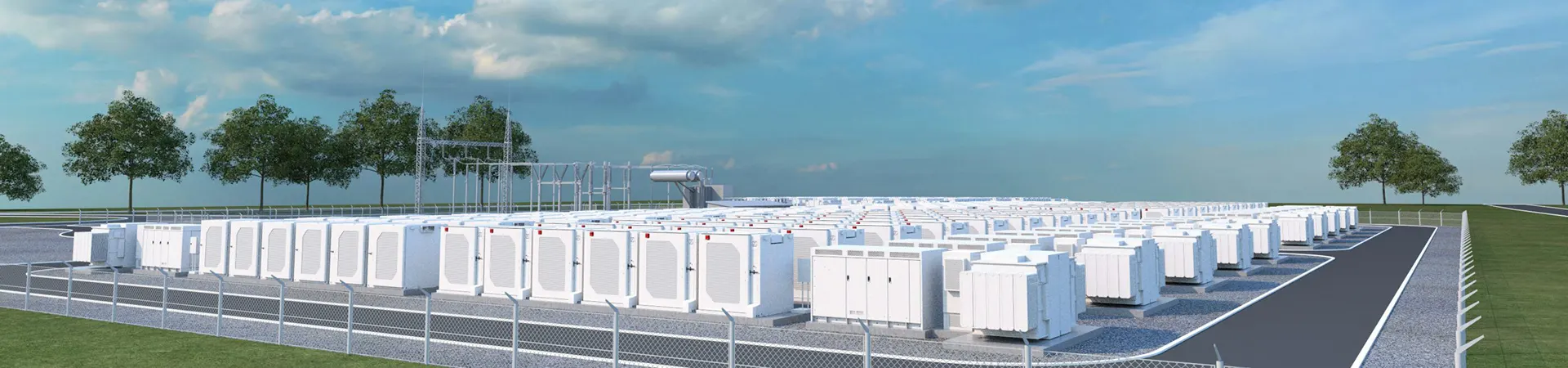
• Consider a hybrid system for large needs: the best way to store solar energy on a big scale for commercial or industrial use is through a hybrid solar-plus-storage system that integrates solar panels, batteries, and the power grid. This setup provides a reliable and efficient power supply even under heavy energy demand. Even with large energy loads, this system guarantees a steady power supply. - Use batteries that can store energy for long periods: Flow batteries offer high capacity and long cycle life—often exceeding 10,000 cycles—with minimal performance degradation, making them suitable for large facilities that require frequent energy cycling. For business buildings or facilities that need long-term backup energy, this kind is appropriate.
- Choose a system with smart energy management: using a system with smart energy management helps to control when energy is stored and consumed. This technique makes power use more economical and efficient.
- Adjust storage capacity to energy needs: do not make your decision only primarily on price or market movements. Battery capacity should be sized to match daily electricity consumption to avoid over- or under-sizing, ensuring both economic efficiency and stable operation.
By considering the above aspects seriously, users can discover the best way to store solar energy that meets their demands while also supporting long-term energy efficiency and sustainability.
How to Choose the Right Solar Energy Storage Solution?
Finding the right solar energy storage solution requires an awareness of energy requirements, battery types, and available budget. No single system is right for everyone, but by taking into factor the following considerations, you may find the best way to store solar energy based on your usage.
- Determine your daily energy needs: determine the daily amount of power utilized. This aids in figuring out the optimal storage capacity to prevent the system from running out of power, particularly at night or in overcast conditions.
- Adjust to the type of use (home or business): a medium-capacity lithium-ion battery is adequate because household energy requirements are often lower. In the meanwhile, for high power and extended running times, enterprises or industries would need hybrid or flow battery systems.
- Consider battery efficiency and lifespan: more energy can be utilized from each charging cycle when efficiency is high. For a more economical long-term investment, select batteries with an efficiency rating higher than 85% and a minimum lifespan of ten years.
- Evaluate initial costs and maintenance costs: battery prices vary, but it is also crucial to consider future maintenance and replacement expenses. Although lithium-ion batteries are initially more costly than lead-acid batteries, they are more durable and efficient.
- Choose a system with safety features and smart controls: some current storage systems have digital monitoring systems that enable customers to see battery performance and energy usage in real time. This preserves the effectiveness and security of the system.
- Consider environmental conditions and installation location: High humidity or extreme temperatures might have an impact on battery performance. To maintain optimal performance, make sure the system is located in a protected area with enough ventilation.
By considering all of the above aspects, users can determine the best way to store solar energy that is most efficient, safe, and suitable for their long-term needs.
Conclusion
For most residential and small commercial applications, the best way to store solar energy is through battery-based systems, particularly lithium-ion batteries, such as lithium-ion batteries, which provide high efficiency, long life, and low maintenance. This method ensures a steady and sustainable supply of electricity by allowing energy produced by solar panels during the day to be stored and used at night or in cloudy conditions.
However, the ideal option still depends on usage circumstances, budget, and energy requirements. Because of their increased storage capacity and longevity, hybrid or flow battery systems may be a better fit for large-scale applications such as industry or business. Users can determine the most effective and sustainable way to store solar energy by consideration efficiency, cost, and smart energy management systems.
FAQS
The most efficient way to store solar energy is by using lithium-ion battery systems. They have high energy density, over 90% efficiency, and long lifespan, making them ideal for both residential and commercial solar setups.
Yes, solar energy can be stored without batteries using thermal storage or mechanical systems. These methods store heat or kinetic energy instead of electricity, commonly used in large-scale or industrial applications.
The best battery for solar energy storage is the lithium-ion battery due to its high performance, low maintenance, and long cycle life. However, flow batteries are also great for large-scale, long-duration storage needs.


 +86 – 18925002618