



According to the classification of lithium battery cathode materials, lithium batteries are mainly lithium cobaltate, lithium manganate, lithium iron phosphate, and ternary lithium batteries, and the main application scenarios are in the field of new energy vehicles, 3C electronics, and electrochemical energy storage.

Lithium battery recycling refers to when the lithium battery has been used for a long time. The internal performance has been reduced to the scrapped state and can not play a normal role in the field. It carries out a series of physical, chemical, biological and echelon utilization and other processes, structured and efficient use and differentiation of its internal related core materials, and then plasticizes its new utilization value.
Power lithium battery recycling
Various structural materials of power battery produce different pollution. Power lithium batteries are mainly composed of positive, negative, separator, battery electrolyte, structural components and other structural components, different battery structural components not only contained in the category of resources, the nature of the impact on the environment and the form of harm are different, recycling resource objects and their intrinsic value are also different.
3C electronic lithium battery recycling
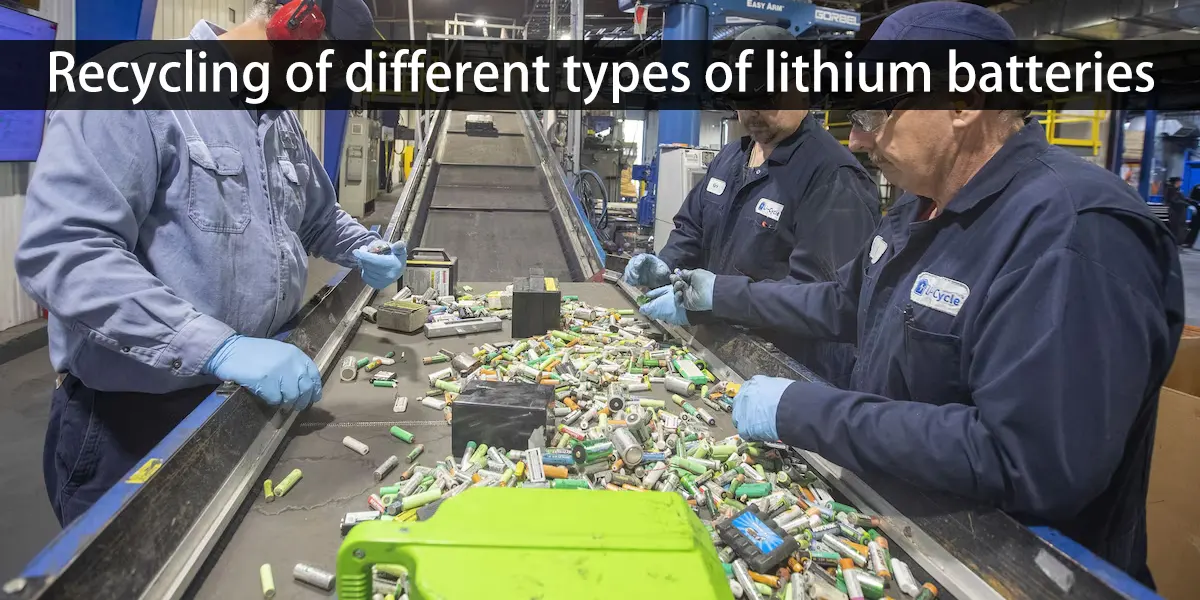
Cobalt, manganese and lithium are the focus of recycling 3C electronic lithium batteries. In high-end 3C electronic products, more cathode materials are used for lithium cobaltate batteries with high voltage, high voltage and other characteristics. In low-end 3C electronic products, more lithium manganate batteries with excellent comprehensive cost performance are used, so the recycling resource objects for 3C electronic lithium batteries are more cobalt, manganese, and lithium three rare resources.
Electrochemical energy storage lithium battery recycling
Iron, lithium and so on are the recycling focus of electrochemical energy storage lithium batteries. At present, the main energy storage methods are pumped storage in physical energy storage and electrochemical energy storage, which account for nearly 90% and 8% respectively, among which lithium-ion battery energy storage accounts for 90% of electrochemical energy storage with its excellent comprehensive performance.
The cathode material of lithium battery in electrochemical energy storage basically uses lithium iron phosphate batteries with high cost performance, low pollution and long life. Therefore, for the recovery of electrochemical energy storage lithium batteries, more metal elements such as iron and lithium in lithium iron phosphate batteries are extracted.
Environmental pressure and economic factors are the main drivers of the lithium battery recycling industry. The recycling of lithium batteries can not only reduce the environmental pressure of the global people, construct a better green earth, but also alleviate the scarcity of rare metals in the world, improve the industrial economy of various lithium batteries in the field, and promote the vigorous development of the industry in the field of lithium batteries.
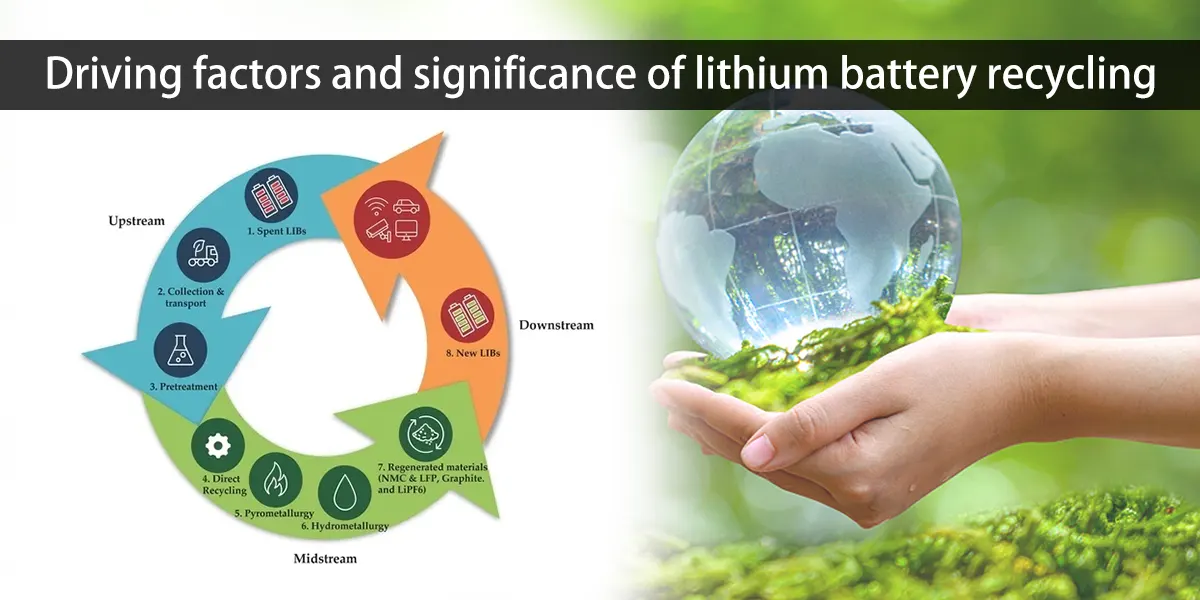
Of course, reducing environmental pressure and improving the industrial economy of various lithium batteries are also the main driving factors for the development of the battery recycling industry.
Lithium battery recycling has gone through three stages in history, and the technical level has gradually improved.
The first stage is the initial stage of technological research (before 2015), the second stage is the pilot stage of industrialization (2015-2021), and the third stage is the stage of large-scale development (after 2021).
In the first phase, researchers extracted valuable metals and compounds from waste lithium batteries by disassembling and separating them, but at that time, due to equipment and technical limitations, recycling efficiency is extremely low, the cost is extremely high, and it is almost impossible to achieve large-scale application.

In the second stage, some leading companies began to invest in the construction of lithium battery recycling production lines by taking advantage of their own abundant funds and cooperating with the government’s policy support, and successfully realized the full value of recycled lithium batteries from the recycling of waste lithium batteries to the final recycling of materials.
In the third stage, the technology of lithium battery recycling process has gradually matured, and many companies have invested in it, forming a relatively perfect lithium battery recycling industry chain, greatly improving the recycling and utilization of lithium batteries, and significantly reducing the pollution of the global ecological environment by lithium battery direct discharge.
Physical recovery technology in recycling technology can also be called dry recovery technology, that is, direct physical extraction of precious metals in lithium batteries and some of the combined raw materials of lithium batteries, mainly including mechanical separation methods and high temperature pyrolysis methods of two methods.
The mechanical separation method is mainly separated and refined by physical methods such as crushing, screening and magnetic separation through the physical differences of different materials in lithium batteries. The principle of high temperature pyrolysis is mainly to remove the binder in the material through high temperature or low temperature incineration and promote the REDOX reaction of metal or organic compounds, so as to achieve the separation and recovery of different metals and lithium battery raw materials.

Physical recovery has the advantages of simple process and can be combined with automation, but there are impurities in the recovered valuable metals that need to be further purified, some lithium battery raw materials are decomposed at high temperature, resulting in loss of recovery amount, the need to support the corresponding tail gas recovery equipment and higher power consumption, and the disadvantages are relatively significant.
Therefore, the physical method is generally only applicable to the preliminary treatment process of the recycling mode or the recycling process with relatively simple and rough requirements for the variety of lithium battery recycling materials.
The penetration rate of ternary lithium battery is expected to reverse lithium iron phosphate battery again, which promotes the application demand of recycling and recycling technology is expected to rise further.
Since 2020, the cost-effective lithium iron phosphate battery has rapidly penetrated with the rapid growth of sales of low-end new energy vehicles, and the market share has exceeded the terpolymer lithium battery in 2021.
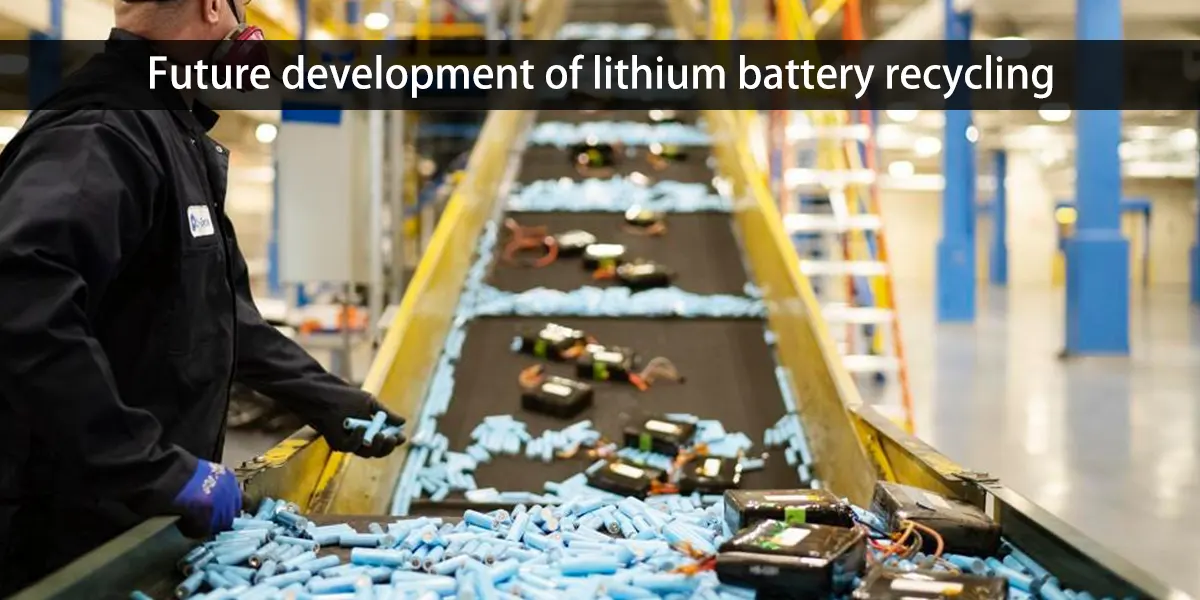
However, lithium iron phosphate batteries are more used in low-end automobile brands, high-end brand penetration is relatively low, and ternary lithium batteries are just the opposite, so with the future economic recovery, the social preference for high-end automotive products is warming, ternary lithium battery penetration is expected to reverse lithium iron phosphate batteries again.
Then, for the development outlook of lithium battery recycling technology, under the assumption that the 3C electronic market is not volatile and the impact weight of electrochemical energy storage is relatively low compared to new energy vehicles, recycling and recycling technology is expected to further increase with the market share of “iron lithium” and “nickel lithium”.


 +86 – 18925002618





