



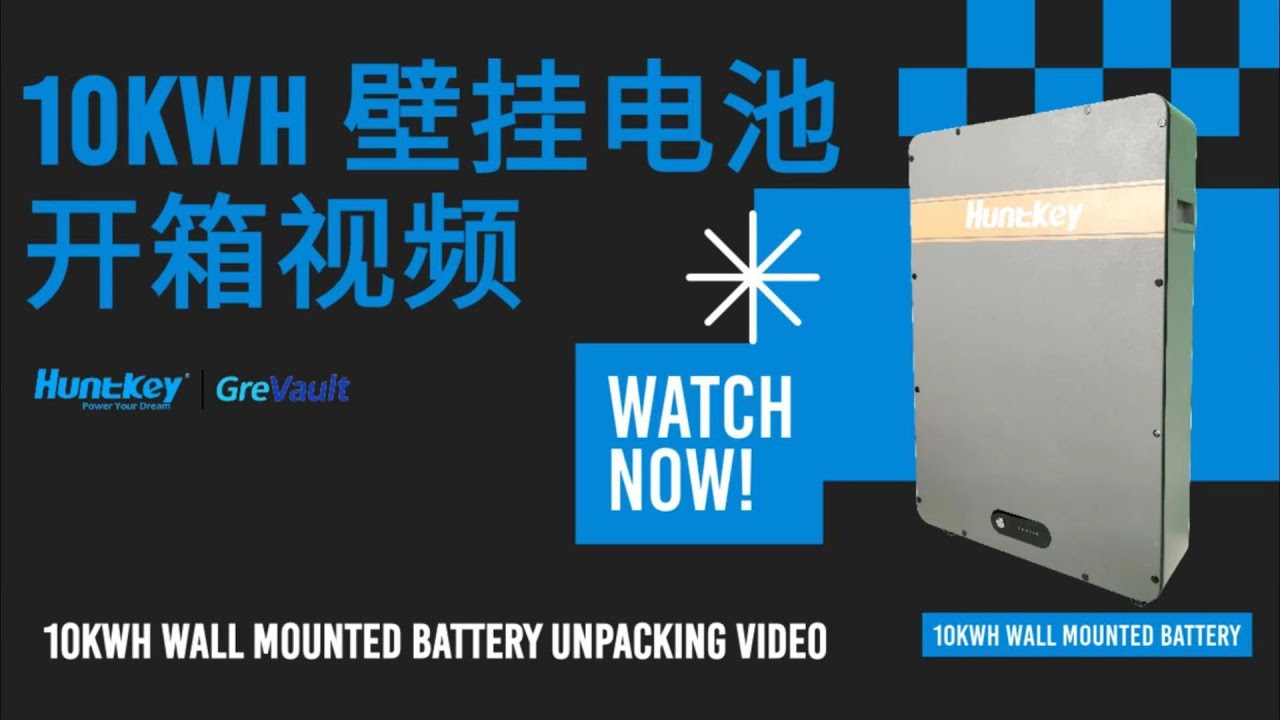

A 10kw home battery is an energy or electricity storing equipment that is specifically designed for home use. It has a maximum capacity of 10 kilowatts. This means it can either deliver or receive energy at any time.
Homeowners make use of these batteries typically to store excessive energy or electricity generated from renewable energy sources. The energy can be used when the power is not available.
In simple words, a 10kilowatt home battery will allow homeowners to optimize their energy usage and reduce their overall reliance on electricity coming from grid stations. Besides this, it also gives people the opportunity to contribute to a more sustainable future by integrating renewable sources into their daily lives.
You can easily run numerous home appliances with a 10kw battery; some of them are:
- Lights:
You can run several LED or CFL lights around your house for a long time with a 10kW battery. When it comes to energy efficiency, LED lights are far more powerful than conventional incandescent bulbs.
Depending on the wattage of the lights and the length of usage, a 10kW home battery can supply enough power to light your home during blackouts or off-grid scenarios. - Small appliances:
With a 10kW battery, you can easily run small appliances like laptops, televisions, fans, and small kitchen appliances such as a juicer blender and many more. Such devices commonly have less power requirements as compared to others.
However, it is crucial to consider the power consumption of every device and calculate the total load to make sure It doesn’t exceed the capacity of the battery.
- Refrigerator:
A 10kW home battery can typically power a standard refrigerator for multiple hours, depending on its energy efficiency. As we all know, refrigerators have varying power requirements, but on average, they consume around 100W to 400W. - Heating and Cooling Systems:
Generally, a 10kW battery may not have sufficient capacity to power larger heating and cooling systems, but it can still be used to power smaller heating and cooling systems like windows, air conditioners, and space heaters for a limited time. Such devices typically consume around 1kW to 3kW of power. - Power tools:
A 10kW home battery can power many power tools, such as drills, saws, and sanders, that have lower power requirements. A power tool can typically consume anywhere from a few 100W to a few 1000W, depending on the particular tool. With a 10kW battery, you can use these tools for a limited amount of time.

If you’re looking for a recommended 10kW home battery product, the 51.2V 200Ah powerwall battery is an excellent choice. This battery is specifically designed for home energy storage and can easily be connected to solar and wind systems.
One of the standout features of this battery is its high safety performance. It consists of 16 lithium iron phosphate cells in series, which ensures that it meets the highest safety standards. This makes it an ideal option for family use, providing peace of mind knowing that safety is prioritized.
In addition to its safety features, the 51.2V 200Ah Powerwall Battery offers several other advantages. It has a low self-discharge rate, meaning that it can hold its charge for extended periods without significant power loss. This is particularly beneficial for home energy storage, as it ensures that the battery remains ready for use whenever needed.
Furthermore, this battery offers a higher energy density compared to traditional lead-acid batteries. Despite its small volume, it can store a considerable amount of energy, allowing for efficient use in a home setting. With a cycle life of up to 4,000 times, you can rely on this battery to provide long-lasting performance.
To ensure optimal operation and protection, the 51.2V 200Ah Powerwall Battery is equipped with a special intelligent Battery Management System (BMS). This advanced system effectively prevents overheating, over-discharge, overcharge, short circuit, and other potential issues. With the BMS in place, you can confidently rely on the battery’s performance and longevity.
For added convenience, the battery features a display screen that provides real-time battery status information. This allows you to easily monitor the battery’s charge level and overall performance, ensuring that you always have a clear understanding of its current state.
In summary, the 51.2V 200Ah Powerwall Battery is a highly recommended 10kW home battery product. Its exceptional safety performance, low self-discharge rate, high energy density, long cycle life, and intelligent BMS make it an excellent choice for home energy storage. With its real-time battery status display, you can stay informed about its performance at all times. Invest in this battery and enjoy reliable and efficient home energy storage.
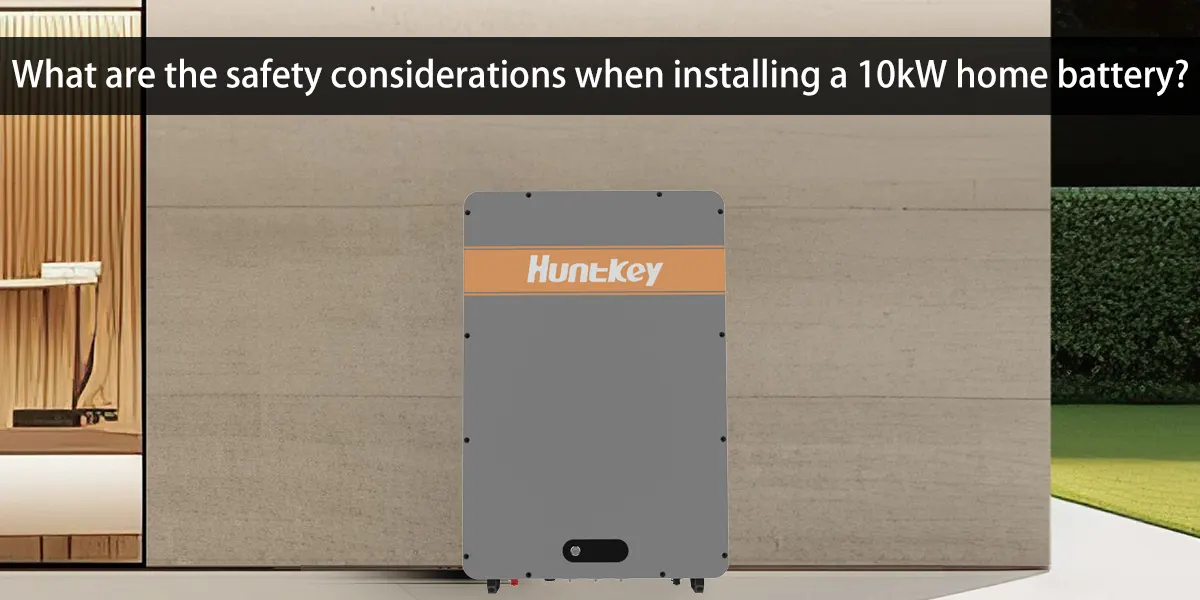
When installing a 10kW home battery, there are several safety considerations to keep in mind to ensure the proper and safe operation of the system.
Here are some key safety considerations:
- Qualified Installer:
It is advisable to hire a qualified and experienced installer who is knowledgeable about the battery systems and follows local regulations and codes. - Location & Ventilation:
The battery should be installed in a well-ventilated area. Sufficient ventilation helps dissipate heat generated during charging and discharging, avoiding overheating and potential fire hazards. - Fire safety:
Another safety consideration is fire safety. This includes installing smoke detectors and fire extinguishers in the vicinity of the battery system. In addition, it is important to have a clear emergency rescue plan in case of a fire. - Protection against physical damage:
The battery system should be protected against physical damage, such as exposure to extreme weather conditions. Proper barriers can be required to prevent accidental contact with live components and protect the battery system from external elements. - Monitoring and Maintenance;
Regular monitoring and maintenance of the battery system are crucial for safety. This includes checking for any signs of damage, monitoring battery temperature, and ensuring that the battery system is functioning properly within safe operating parameters.



 +86 – 18925002618





