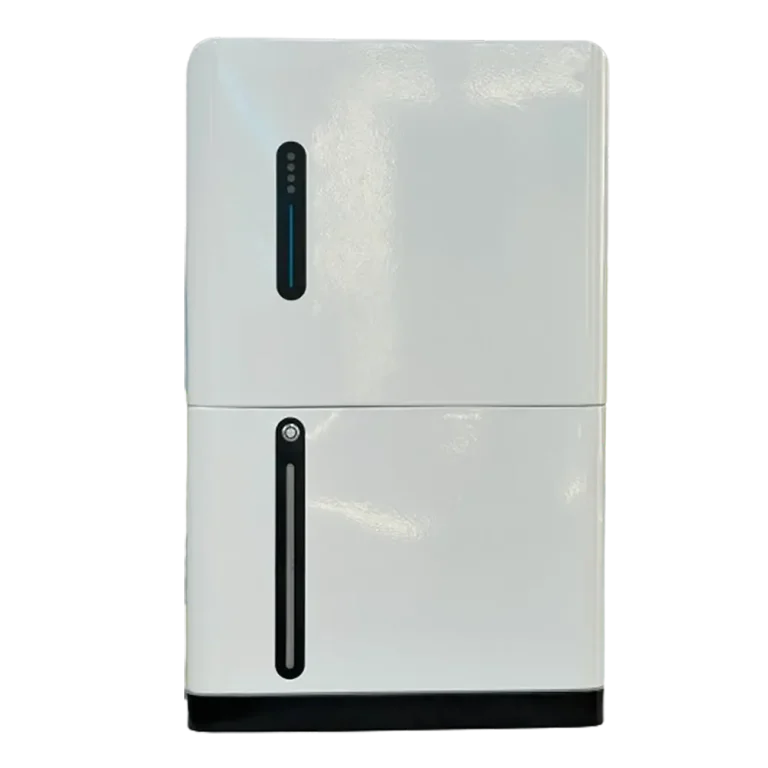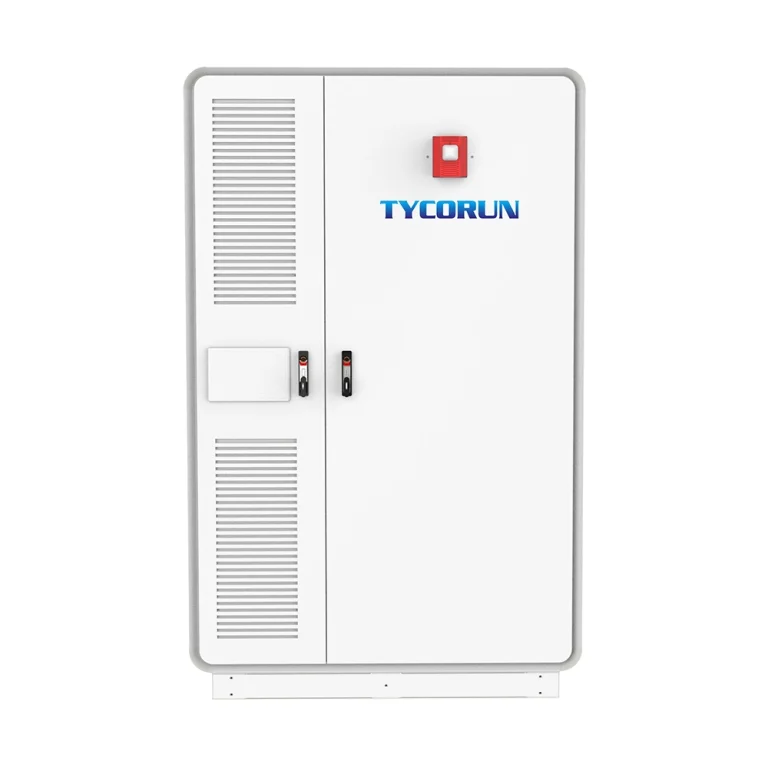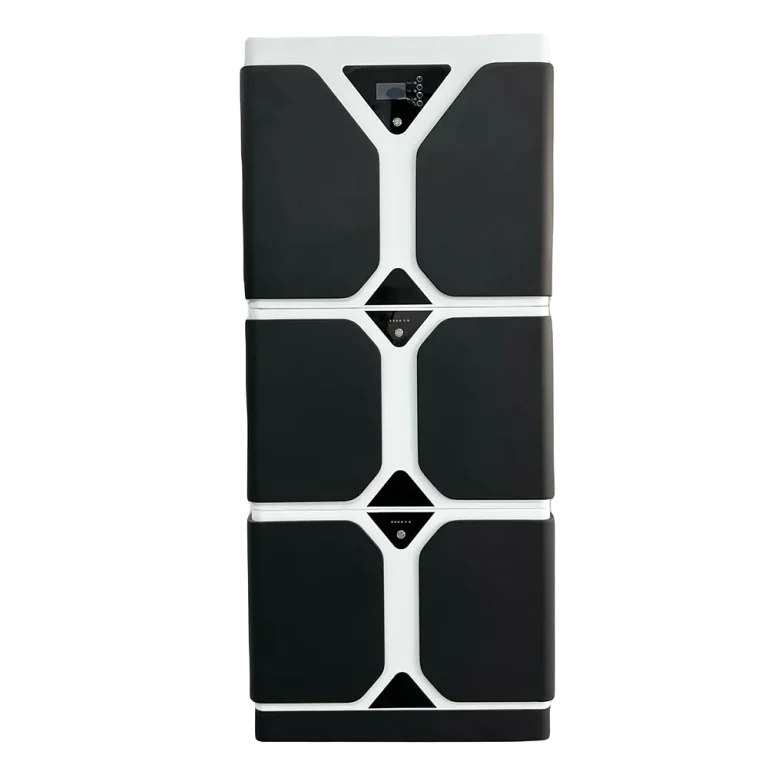
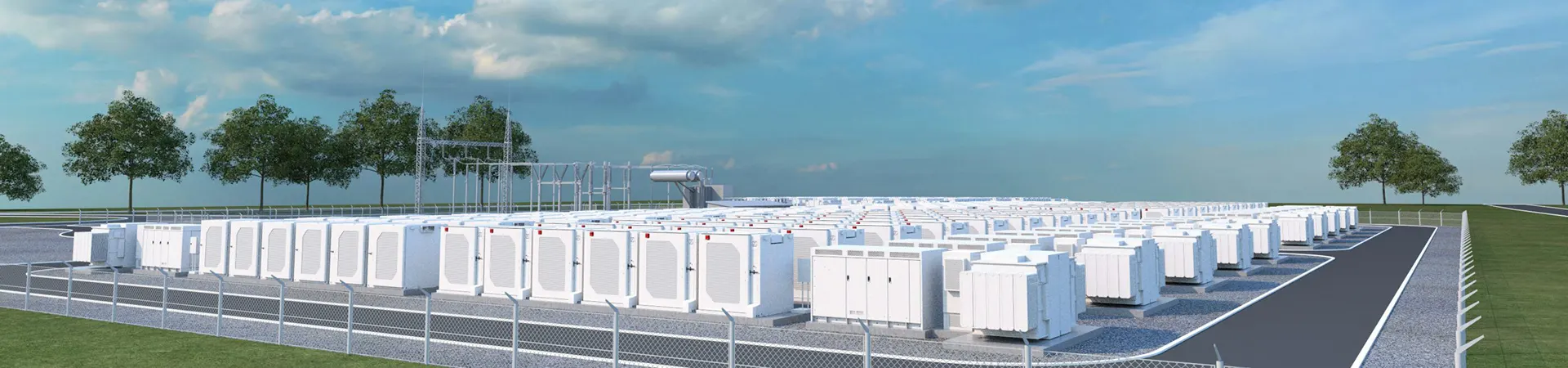


The application scenarios of the energy storage industry can be mainly divided into three categories: power supply side, grid side and user side: energy storage installed on the power supply side and grid side is called “pre-meter energy storage”, while energy storage on the user side is called “Behind the meter battery storage“.
- Before-the-meter energy storage: Also known as “big storage”, it is mainly used in new energy power stations, power grids and other scenarios. The energy storage power is large and it is a power engineering investment. The application end emphasizes safety and stability;
- Behind-the-meter energy storage: It is divided into For industrial, commercial and household use, the energy storage power is small. In 2022, large storage will account for 92% of electrochemical energy storage installed capacity, taking a leading position. According to the differences in downstream energy storage application scenarios, energy storage system integration products are also different.
In addition, different application scenarios have different requirements for energy storage system components: industrial and commercial energy storage systems is mostly integrated and uses integrated cabinets.
The energy storage capacity is relatively small, the system functions are relatively simple, and the requirements for system control are lower than those of energy storage power stations.
Due to their long operating life, energy storage power stations are more difficult to maintain and require higher performance, safety, construction and operation and maintenance costs of the energy storage system.

The global energy storage market is mainly divided into two categories: the first category is mature markets, such as Europe, the United States, Japan, South Korea, Australia, etc., and the market demand tends to be stable; the second category is emerging markets, such as Brazil, Ireland, India, Africa , Egypt, etc., are in the period of explosive growth of new demand.
- From the perspective of mature markets, Europe is the world’s largest household energy storage market, with Germany, Italy, and the United Kingdom ranking among the top three; energy storage installation demand in Japan and Australia is also concentrated in behind-the-meter household storage. The U.S. and South Korean markets are dominated by front-of-meter energy storage.
- From the perspective of emerging markets, India, Brazil, Africa and other regions have also entered the energy storage market against the background of power grid transformation and the rapid rise of new energy markets. Judging from the new installed capacity of global energy storage in 2022,
China/Europe/the United States will account for 36%/26%/24% of the market respectively. Among them, China mainly relies on front-of-meter energy storage, and the current demand mainly comes from China’s mandatory allocation and storage policy of new energy; while the main demand for front-of-meter energy storage in the United States comes from the construction of old local power grids.

According to IHS Markit, the CR5 of large storage integrators in the United States will reach 55% in 2021. Large storage integrators are mainly local manufacturers, of which Fluence accounts for 18%, ranking first; Chinese energy storage integrator Sungrow ranks among the TOP10 large storage integrators in the United States .
In addition, among China’s energy storage system integrators, Sungrow, Canadian Solar, Kellu Electronics, and BYD all ship under their own brands. Among them, Canadian Solar relies on the group’s EPC department’s years of project resource accumulation in the United States. U.S. shipments account for than high.
At present, there are many energy storage integrators in the Chinese market, but the concentration is still not high. If you want to know more about energy storage manufacturers, please click on Top 10 energy storage battery manufacturers in the world.

Since the downstream applications of lithium-ion batteries are divided into three parts: consumption, power and energy storage, it is of reference significance to benchmark the entire life cycle evolution of the industry:
- The evolution of the competition pattern of mobile phone manufacturers has gone through four stages: “new and old forces begin to confront each other – new forces enter and old forces retreat – new forces knockout – reshuffle ends and the pattern stabilizes”, and has now entered an oligopoly market;
- Automobile OEMs in 2023 is he beginning of the new year ushered in a fierce price war. After Tesla and BYD lowered their prices, various electric car brands followed suit and adjusted their prices. As prices approach the cost line, the industry is undergoing consolidation. At present, many energy storage system integrators have entered the market, but the industry concentration is still low. With the implementation of industry life-cycle regulations and clear policies, companies that lack core energy storage technologies and do not meet safety standards will face elimination under industry trends.
In addition, the current development of energy storage systems is still in its early stages, and there are two main development models:
- Professional integrator development model: focus on its own links and position third-party suppliers. For example, Haibositron, Kellu Electronics, etc. have competitive advantages in that they have no conflict of interest with some integrators, have wide sales channels, and can be quickly rolled out through integrators;
- Integrated development model: PCS and battery manufacturers extend the value chain vertically, realize independent production and manufacturing of main components of energy storage systems such as PCS and batteries, and complete system integration services by independent design departments. The competitive advantage lies in integrated product sales, with Conducive to reducing costs and increasing profits.
Finally, in addition to specializing in system integration business, midstream companies that specialize in four major components have technical advantages in device production and are expanding into system integration.

This article introduces the top 10 manufacturers of liquid cooling products in China, namely Inspur Information, Sugon, Lenovo, Invicoolool, Goaland, Tsinghua Unigroup, TANATAL, Sugon, Alibaba Cloud, and ZTE.

Chinese Li-ion battery manufacturers are also making continuous efforts to explore more suitable batteries for industrial and commercial energy storage and household energy storage. This article will introduce top 10 high capacity battery cell in China in 2023.
The global electrochemical energy storage market is expected to reach $120 billion to $150 billion by 2030.

 +86 – 18925002618