



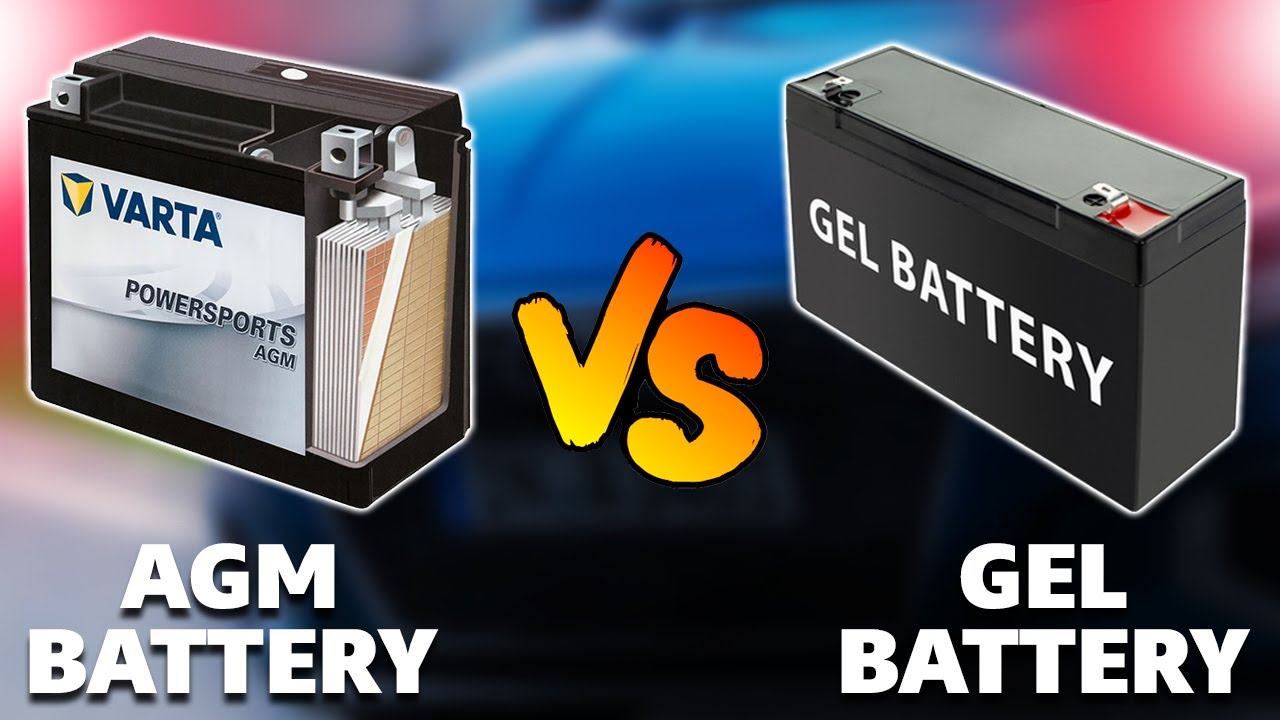

Gel cell battery are an improvement on ordinary lead-acid batteries with liquid electrolyte. Gel cell battery is used instead of sulfuric acid electrolyte. It is improved compared to ordinary batteries in terms of safety, storage capacity, discharge performance and service life.
Gel cell batteries use gel electrolytes, with no free liquid inside. They have large electrolyte capacity, large heat capacity, and strong heat dissipation ability under the same volume, which can avoid the thermal runaway phenomenon and battery heating that are easy to occur in ordinary batteries; the electrolyte concentration is low, and the polar plates are The corrosion effect is weak; the concentration is uniform and there is no electrolyte stratification.
Gel cell battery has the same performance as ordinary lead-acid batteries, except that one of the electrolytes in the battery is in a latex-like semi-solidified state and the other is in a liquid state. Ordinary lead-acid batteries in liquid state need to be used irregularly during use. Add distilled water for maintenance, and the colloid type does not need to add distilled water for maintenance (usually called maintenance-free).
The disadvantage of gel cell batteries is that they cannot be used for traction and discharge at very large currents, and cannot be used for starting and igniting cars. However, ordinary lead-acid batteries require plate deformation and vulcanization caused by battery overload, which can be restored by charging and discharging with a small current (but cannot be restored to their original state); In comparison, gel cell battery is worry-free, have strong low temperature resistance, and are more stable in cold areas.
Gel cell batteries and lithium batteries are two different types of rechargeable batteries with different chemistries and properties. Gel batteries belong to the lead-acid battery series. They use gel electrolyte to fix the electrolyte inside the battery, which can reduce the risk of leakage even if the battery is damaged.
However, they generally have lower energy density and shorter cycle life than lithium batteries. On the other hand, lithium batteries with lithium as the key component have higher energy density and longer cycle life. They are also lighter, making them better suited for applications where weight is a critical factor.
While gel batteries are known for their safety and maintenance-free operation. But lithium batteries also require basically no additional maintenance. Therefore, lithium batteries are widely used in portable electronic devices, electric vehicles, and renewable energy storage systems due to their superior energy density and lightweight design. Ultimately, the choice between gel batteries and lithium batteries depends on specific application requirements, cost considerations and safety concerns.
There are several key factors to consider when choosing the right gel battery to ensure it meets your specific requirements. The following step-by-step guide can help you choose the right gel battery:
Determine your power requirements: Calculate the power requirements of your application, including the voltage and current required to operate your device or equipment. This will help you determine the capacity (Ah) and voltage rating of the gel battery you need. If gel batteries cannot meet your needs, lithium batteries can be considered. As a top bess manufacturer, Grevault has many products to choose from.
Consider space and size constraints: Measure the space available to install the gel battery to ensure it fits correctly. Consider the size and shape of the battery, especially if space is limited.
Assess operating conditions: Evaluate the environmental conditions in which gel batteries operate. Consider factors such as temperature range, humidity, and vibration levels. Choose a gel battery that can withstand these conditions to ensure reliable performance.
Check cycle life and durability: Determine the life expectancy of a gel battery by checking its cycle life rating. The higher the battery life cycle, the longer the battery can withstand repeated charge and discharge cycles. Additionally, consider the battery’s durability and construction quality to ensure it can withstand heavy use and environmental stress.
By following these steps and considering your specific requirements, you can select the right gel battery that meets the power needs of your application while delivering reliable performance and durability.

 +86 – 18925002618





