



Germany is the earliest large-scale household battery market. In May 2013, the German government launched a subsidy program administered by KfW that provides subsidies for energy storage systems installed alongside new or existing photovoltaic energy storage under 30kW. This has propelled Germany into the world’s largest market for residential solar and batteries, with installation rates remaining stable even as subsidies have been reduced year by year.
In 2022, the installation rate of rooftop solar cells will exceed 75%, one of the highest installation rates in the world.
Subsidies have supported the market’s growth for more than a decade, but they have slowly shrunk and are no longer the main driver. Instead, the market is now driven by customers committed to increasing on-site solar usage. Because they can save more than 0.30 euros per kilowatt hour in electricity bills by purchasing electricity from the grid, while the cost of exporting solar power is less than 0.05 euros per kilowatt hour.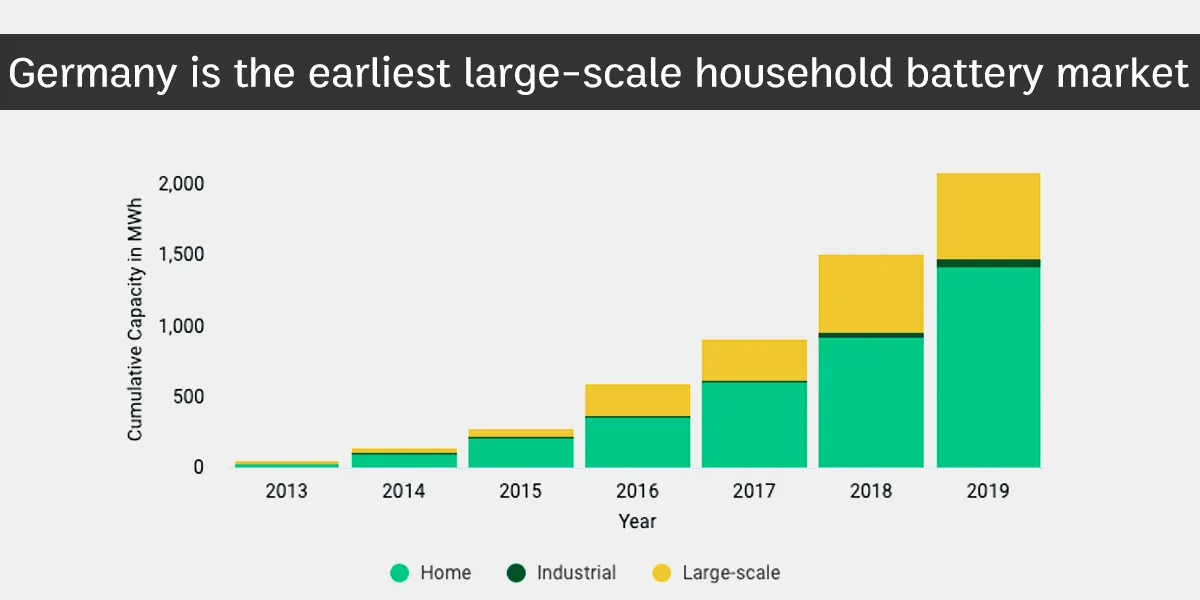
The U.S. residential battery market is very fragmented, as state-level policies are the largest determinant of battery adoption and can vary widely.
California, Florida and Texas are the markets with the largest number of system installations, with installation rates of 9%-12% in 2022 and expected to rise significantly in 2023. Installation rates in these markets are primarily driven by demand for backup power, and grid disruptions due to extreme weather events are becoming a huge concern for customers.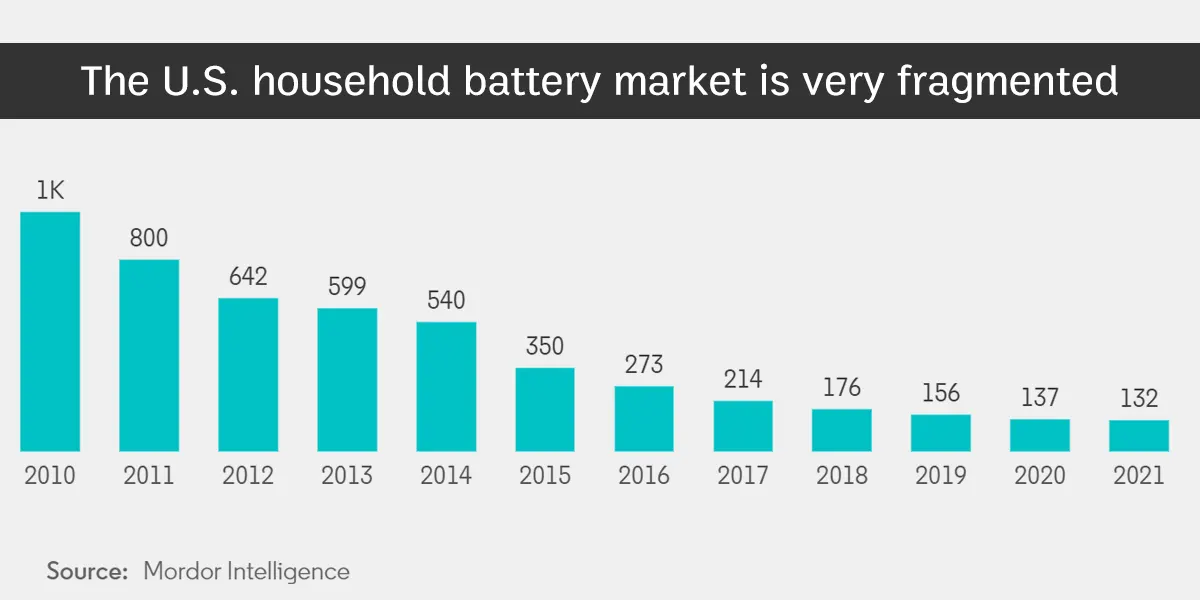
California, in particular, has emerged as an attractive market over the past year due to changes in solar net metering policies that encourage consumers to pair batteries with existing PV systems. As for household battery, you can click our 51.2V 200Ah Powerwall Battery to learn more.
Demand in California is also supported by the California Self-Generation Incentive Program, which provides subsidies of $150-$1,000/kWh for residential batteries.
Although Hawaii is a smaller market in terms of the number of systems installed, its installation rate is among the highest in the country. Since power companies only allow utility systems to transmit power to the grid, about 96% of residential PV installations will be equipped with batteries in 2022. Consumers are even more motivated to install batteries through targeted subsidies provided by the Hawaii Battery Bonus Program.
U.S. adoption is expected to increase over the next five years due to more frequent outages, lower prices for rooftop solar output, the introduction of time-based evening peak retail electricity prices, higher peak demand charges, and demand response compensation.
Australia’s growing household battery market has been spurred by soaring electricity prices in many states, subsidies and resilience issues. Nationwide, cell adoption in new photovoltaic installations will jump to nearly 15% in 2022 from about 8% in 2021. Installation rates remain relatively low compared to European markets as the continued use of feed-in tariffs (transmission payments provided by retailers) limits solar adoption.
While most Australian solar owners receive flat transmission payments, starting in Victoria, electricity retailers are introducing time-varying rates, which is promising for batteries.
Under this scheme, these owners could be paid higher or lower depending on the time of day they export solar power to the grid, which would encourage them to install batteries to store excess solar power during the day and export it at night when prices are typically higher. Other Australian states are likely to follow suit, starting with South Australia. The state has been exploring rates for different time periods since 2020.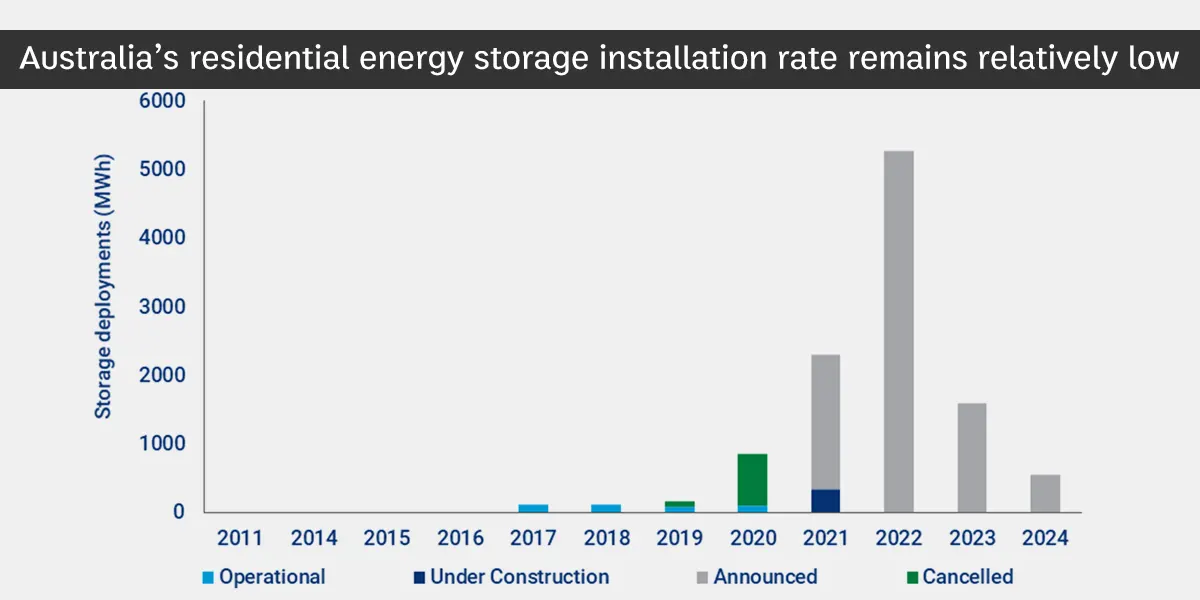
In summary, the global home battery energy storage market has experienced significant growth in recent years. Each country has its own unique factors affecting the market, including government subsidies, solar adoption rates, grid outages and electricity price structures.
While some markets have experienced steady growth on the back of continued incentives, others have experienced volatility due to changes in subsidy programs. Looking ahead, adoption of residential battery systems is expected to increase globally as concerns about grid resilience, rising electricity prices and renewable energy storage continue to drive demand.
However, challenges such as different national policies, pricing restrictions, and low electricity prices in certain regions may affect the growth potential of the household battery market.



 +86 – 18925002618





