



Battery energy storage systems (BESS) are an advanced technology for storing electrical energy that can provide backup power support to utilities, businesses, and homes when electricity demand is erratic or unpredictable.

When combined with renewable energy storage, especially solar battery storage systems, BESS can effectively solve the intermittent problem of solar power generation by storing excess electricity during the day and providing stable power at night or on cloudy days. This makes BESS an important pillar in modern energy strategies, helping to ensure a continuous energy supply.
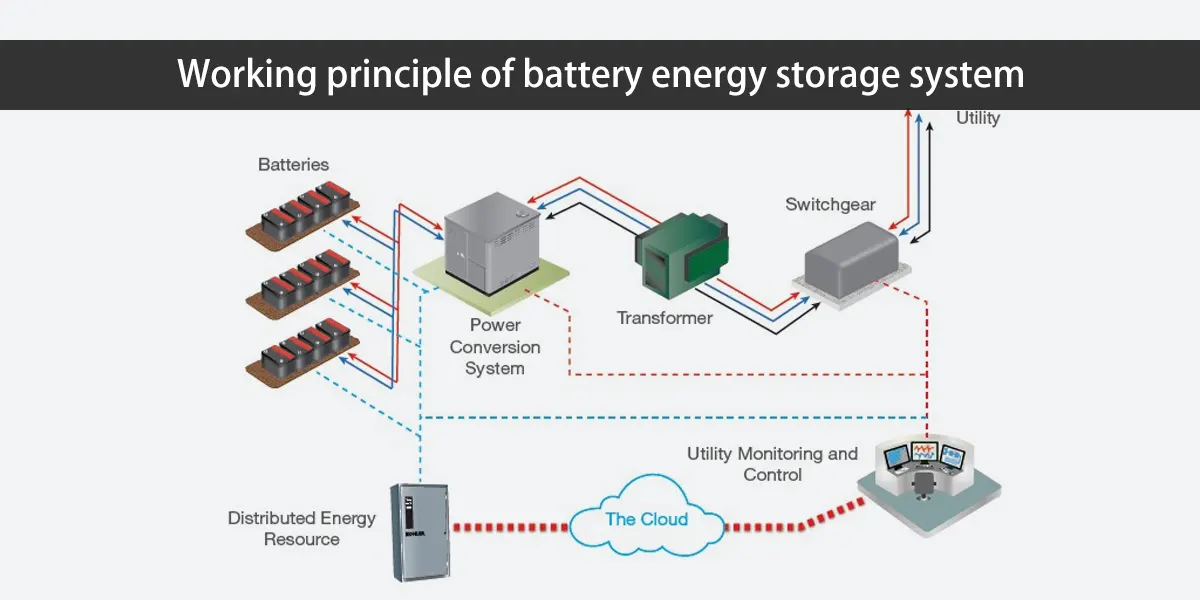
Battery energy storage systems (BESS) are advanced technologies that manage energy demand and improve the reliability of electricity supply by storing and releasing electrical energy. How does a battery energy storage system work? Its working principle is roughly divided into the following steps:
① Charging
BESS gets its energy from multiple sources, including the grid, power stations, and renewable energy sources such as battery storage for solar and wind. When there is an oversupply of renewable energy or when electricity prices are low, the system stores electricity in batteries, usually in the form of direct current.
② Storage
During the storage phase, BESS stores the absorbed electrical energy in a battery for later use. This energy storage not only ensures energy reserves during times of low electricity demand, but also provides backup power for emergencies such as grid fluctuations or power outages.
③ Release
When energy demand peaks, power outages or grid instability occur, BESS responds by releasing stored electrical energy. This process is usually carried out in the event of higher electricity prices or sharp increases in electricity demand, ensuring the stability and reliability of the power system.
④ Energy conversion
Power conversion systems or two-way inverters convert direct current stored in batteries to alternating current for supply to the grid or direct use by users. Alternating current is the form of electricity required for most home and business equipment, so this conversion step is critical.
⑤ Management and optimization
BESS is equipped with an Intelligent Energy Management System (EMS) that optimizes the efficiency of energy storage systems through advanced algorithms and data analysis. EMS monitors electricity prices, energy production and user loads in real time to determine the best charging and discharging times. This smart regulation allows BESS to minimize energy waste while storing power during periods of low prices and releasing it when prices are high, saving costs and achieving profitability.
Battery energy storage systems (BESS) have a wide range of applications, mainly divided into commercial, industrial and residential users. The following are its main uses:
① Commercial and industrial applications
- Peak balancing: Helps companies balance power demand by releasing stored energy during peak periods and avoiding sudden short-term surges.
- Load shifting: Businesses can use batteries to store energy when prices are low and use them when prices are high, optimising energy costs.
- Flexibility management: BESS enables companies to respond flexibly to energy demand without changing the way they use electricity on a daily basis, participate in demand response plans, and save on energy costs.
- Microgrids: When needed, BESS enables microgrids to operate independently from the main grid, ensuring a continuous power supply.
- Integration with renewable energy: BESS provides smooth power support and energy continuity when renewable energy sources, such as solar, are unable to generate electricity.
② Residential application
- Self-storage: Home users can store energy through solar power during the day and use it at night or during peak electricity demand.
- Emergency backup power: In the event of a power outage, BESS can provide emergency power supply to households, ensuring that daily life is not affected.
- Off the grid: Some households choose to use BESS to achieve an independent energy system that is completely off the grid, reducing their dependence on public energy facilities.

③ Pre-meter (FTM) application
It is mainly used for utility-scale facilities such as substations, transmission and distribution lines, power stations, etc. BESS provides backup capacity, stable voltage and frequency, and helps delay equipment maintenance and save costs.
④ After meter (BTM) application
Used in industry, businesses, homes, electric vehicles, etc., BESS can provide on-site power support to help reduce electricity bills, improve energy efficiency, and combine with renewable energy to form an independent power system.
In summary, BESS supports a wide range of commercial, industrial and domestic users through applications such as peaking, load shifting and microgrids, improving energy efficiency and reducing costs.
Battery energy storage systems (BESS) have many advantages, especially in terms of increasing the reliability of renewable energy sources, reducing costs, and enhancing the stability of energy supply. Here is a brief overview of the main benefits: 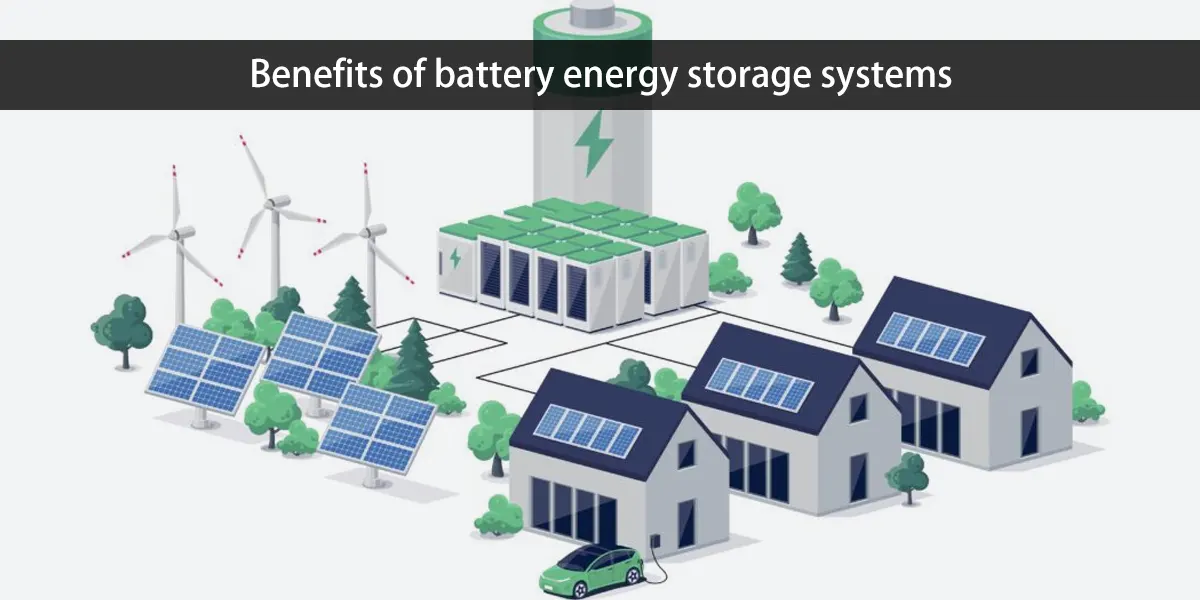
- Environmental benefits: BESS supports the use of renewable energy sources (such as solar and wind), reduces carbon emissions and pollution, promotes energy transition and helps combat global warming.
- Lower energy costs: By storing energy when prices are low and using it at peak times, users can avoid high electricity bills, especially when combined with solar energy.
- Reduce grid dependence: BESS ensures a continuous energy supply and improves reliability, whether the grid is unstable due to peak demand or extreme weather.
- All-weather power supply: BESS can compensate for fluctuations in power supply caused by renewable energy sources such as solar or wind due to weather or day and night changes, ensuring continuous and stable power output.
- Increased resilience: In the event of power outages or power outages, BESS can be used as an emergency backup power supply to ensure the continuous operation of homes and businesses, improving the resilience and reliability of the system.
Battery storage systems typically have a life span of 5 to 15 years. How does a battery energy storage system work? These systems store energy for later use by charging during low-demand periods and discharging during high-demand periods, effectively balancing supply and demand. To achieve the Sustainable Development Goals, batteries can be reused or recycled at the end of their useful life, which brings environmental benefits, is in line with circular economic principles, and has economic value.


 +86 – 18925002618





