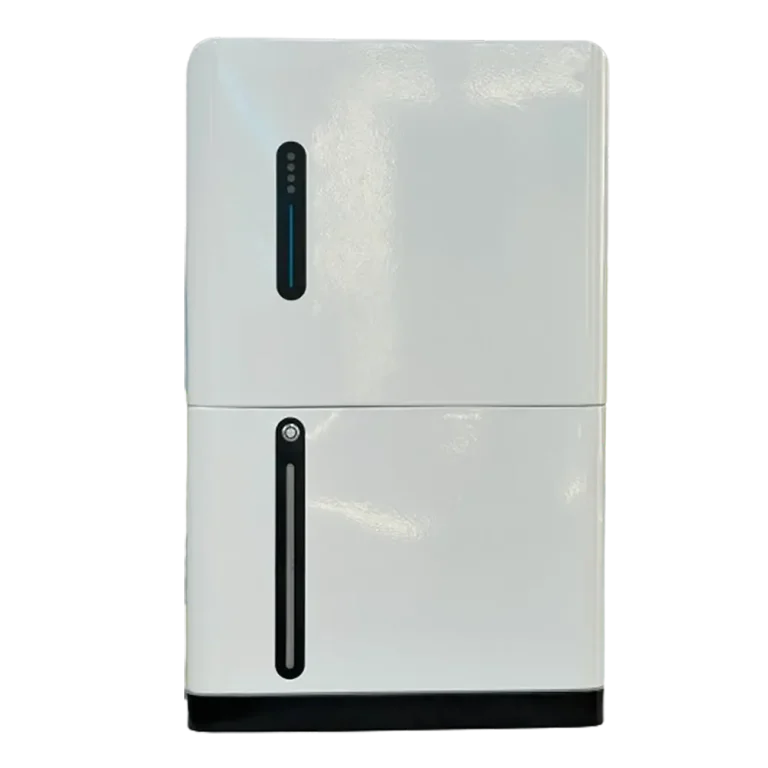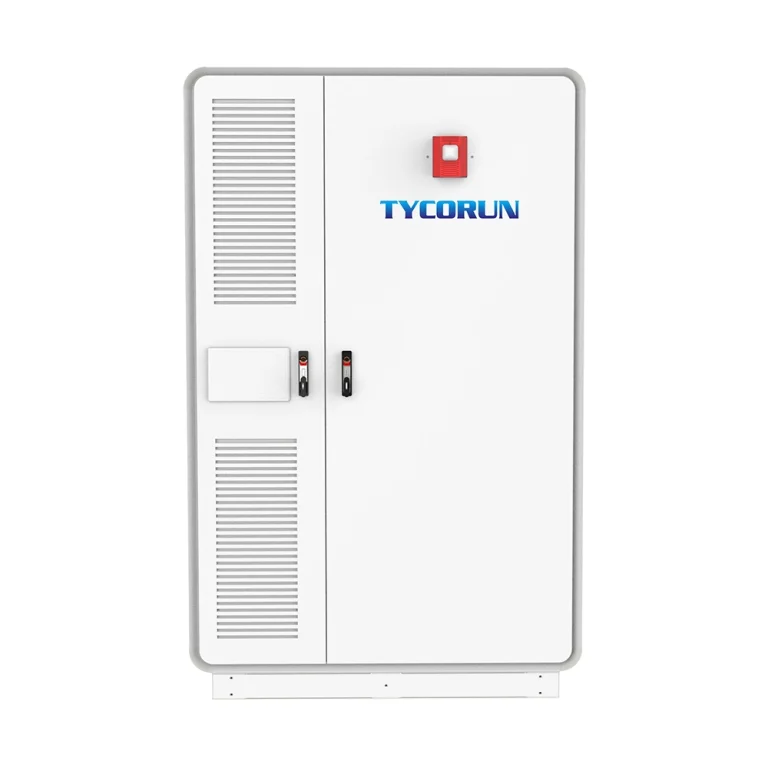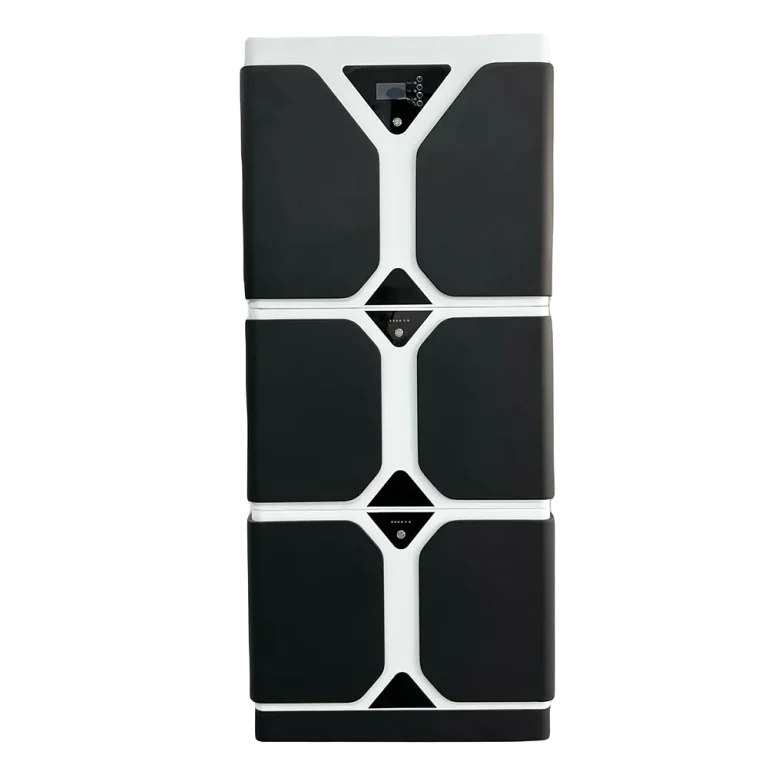

Have you ever experienced an emergency situation where the power went out in your home? Home energy storage systems are becoming increasingly important in this era of energy transition. With battery technology and solar power integration, households can now store energy for use at any time.
This not only improves electrical efficiency but also provides energy independence and reduces electricity bills. Pretty useful, right? So, how does a home energy storage system work? Let’s discuss it in this article!
Basic Concept of Home Energy Storage Systems
At its core, a home energy storage system operates on the principle of storing excess energy and using it when it is scarce. This principle applies when energy sources, such as solar panels, generate more electricity than the household needs. Did you know that this excess energy is not wasted? Instead of being wasted, the energy is transferred to a storage device called a battery.
Therefore, how does a home energy storage system work in practice? The stored energy can be reused when electricity consumption increases, for example at night when solar panels are no longer generating electricity or when the power grid is unstable.

The most commonly used type of battery is the lithium-ion battery. Why lithium-ion batteries? Because these batteries have high efficiency, a long lifespan, and relatively large storage capacity in a compact size. However, besides lithium-ion, there are other storage technologies such as lead-acid batteries, which are more economical. Flow batteries are designed for long-term storage with many recharge cycles, while supercapacitors are superior for rapid charging and discharging.
The advantage of flow batteries is their extremely fast charging and discharging capabilities, despite their limited capacity. Each technology has its own characteristics and advantages, so the choice is typically tailored to specific needs, household conditions, and available budget.
Learn more in our article on Lithium batteries vs Flow Batteries
Key Components and How They Work in Home Energy Storage System?
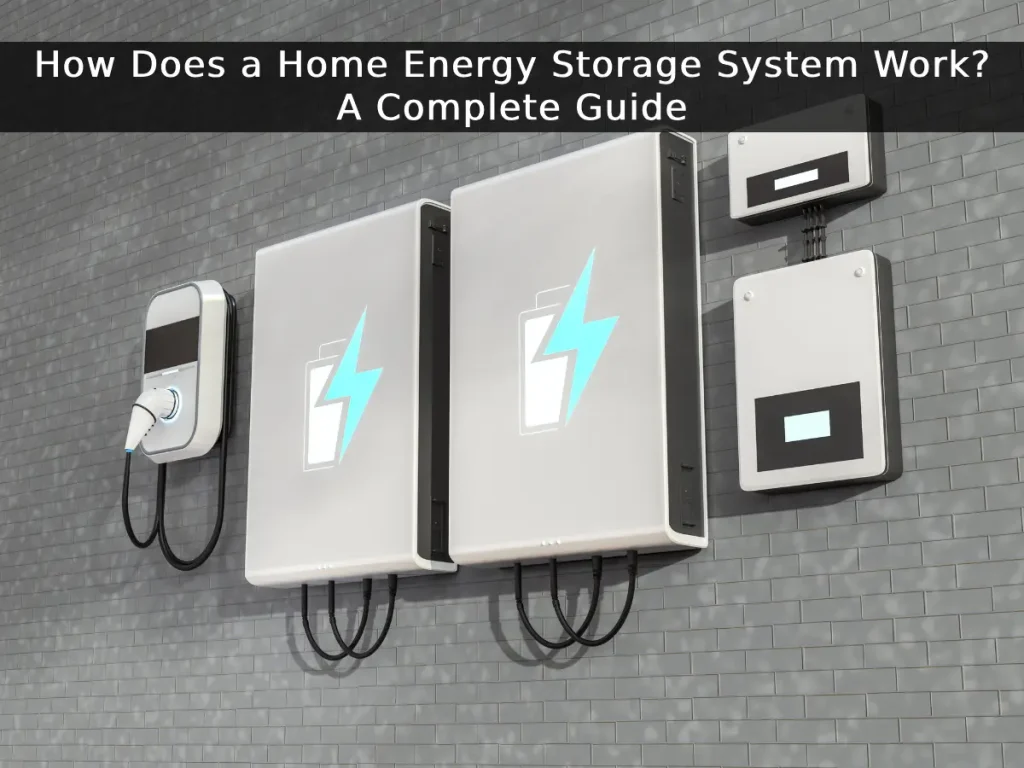
How does a Home Energy Storage System work depends on components of the system. Several key components are unified to make sure a stable power supply. The first component is the solar panel. This energy is then fed into an inverter batteries or charger, which converts the direct current into alternating current to meet daily needs and the flow of power to the battery

The next component is the lithium battery. The function of this component is to store excess energy generated by the solar panels or the main power grid. To ensure the battery operates safely and optimally, the system is equipped with a Battery Management System (BMS). The BMS ensures the battery does not overcharge or undercharge, while maintaining its lifespan and efficiency
How Does Home Energy Storage System Actually Work Step by Step
Let’s take a look at the steps! We will discuss how does a Home Energy Storage System works step by step.

- First, energy is produced either from solar panels on the roof or supplied directly from the main power grid.
- If the energy generated is more than your daily needs, the extra energy isn’t wasted. It goes into the storage battery through an inverter or charger, which converts the electricity so the battery can charge safely.
- During storage, the Battery Management System (BMS) makes sure the battery does not get overcharged or over-discharged. The energy stays in the battery until you need it.
- The stored energy is used when demand rises, such as at night when solar panels are not generating electricity, during sudden power outages, or when grid electricity rates are high.
- Finally, the main power grid serves as a backup source when energy production from the solar panels is unavailable. For example, during cloudy weather or when energy consumption is very high. This system is designed to automatically switch between solar power and the main grid
You might also fine our article on battery self discharge
Types of Home Energy Storage Systems and Their Operating Principles
We often do not realize that there are many types of home energy storage systems commonly used in homes and small industries. Each type has its own operating principles, advantages, and limitations. We often do not realize that there are many types of home energy storage systems commonly used in homes and small industries. Each type has its own operating principles, advantages, and limitations. Which one are you most familiar with? Read on to find out more!

- Lithium-Ion Batteries
Lithium-ion batteries are the most Commonly Used type of energy storage system in modern home systems. Their advantages lie in their high efficiency, long-term energy storage capability, and longer lifespan. It can endure repeated charging and discharging cycles without significant capacity loss. - Lead-Acid Batteries
Lead-acid batteries are a more affordable alternative to lithium-ion batteries. Although cheaper, they have lower storage capacity and a shorter lifespan. These batteries require more frequent replacement with intensive use. They are generally used for applications that do not require high charging and discharging cycles and for simple backup power systems. - Flow Batteries
These batteries are ideal for large-scale energy storage. Their main advantage is their ability to perform long charge and discharge cycles, making them ideal for long-term use in homes or facilities that require large amounts of stable energy. - Supercapacitors
They are used when fast energy storage and instant power release are needed. For example, during temporary power surges. However, their capacity is limited, making them less suitable for long-term energy storage.
Learn more in our article on Lead acid battery vs lithium ion
How Home Energy Storage System Integrated with Solar Grid?
Have you ever been curious about how a home energy storage system works when integrated with solar power and the electrical grid? There are three concepts about how does a home energy storage systems work. Home energy storage systems can be integrated with solar power and the electrical grid, as follows:

- With solar power, solar panels generate electricity during the day, excess energy is stored in batteries, and the stored energy is used at night or when the solar panels are not generating electricity.
- With a grid-connected system, batteries are charged during off-peak electricity rates and used during peak electricity rates to save costs.
- A hybrid system combines solar power, batteries, and the electrical grid. The system can choose the most efficient energy source automatically. It provides maximum flexibility and energy independence.
For a deeper understanding, check out our guide on Gridscale energy storage
The Benefits of Understanding How Home Energy Storage Systems Works
Why do we need to understand the concept, components, and how does a Home Energy Storage System works? Understanding how does a home energy storage system works provides significant benefits in everyday life. First, it improves energy efficiency because households become less dependent on the power grid, resulting in more optimal energy use. Second, this system enables cost savings by using electricity during off-peak hours and utilizing stored energy during peak hours.

Moreover, this storage system provides a backup power supply that maintains a stable supply during power outages. Additionally, using this system supports sustainability by maximizing the use of renewable energy such as solar power. Home Energy Storage System provides a backup power supply that maintains stable power during outages. Thereby helping to reduce carbon footprints and supporting environmentally friendly households.
Conclusion
If you are wondering how does a home energy storage system work. Essentially, this system stores extra energy for later use. The energy can come from solar panels on the roof or directly from PLN. Instead of being wasted, this energy is stored in a battery that is kept safe by a battery management system, so it can be used at night, when the lights go out, or when electricity rates are high.
By understanding how does a home energy storage system work, you can choose the right battery, set up integration with solar or PLN, and use energy more efficiently. In addition to saving costs, your home will also become more independent and environmentally friendly because you can maximize the use of renewable energy without any hassle.
FAQS
Yes, home batteries can still be useful without solar power by charging when electricity rates are low and using them when rates are high.
It depends on the battery capacity. Generally, it ranges from 5–20 kWh, enough for a household's electricity needs from a few hours to a full day.
Lithium-ion batteries typically last 10–15 years with 5,000–7,000 charge/discharge cycles.

 +86 – 18925002618