energy storage system

Industrial and commercial energy storage vs energy storage power stations

Industrial and commercial energy storage vs energy storage power stations
This article provides a comprehensive comparison between industrial and commercial energy storage systems and energy storage power station systems. These systems, while both utilizing energy storage technology, differ notably in scale, application scenarios, configurations, and functions. Their contributions to sustainable development also vary, with commercial systems benefiting individual businesses, and power station systems promoting renewable energy on a wider scale.
Table of Contents
    Add a header to begin generating the table of contents

    Industrial and commercial energy storage systems and energy storage power station systems are systems that use energy storage technology to achieve energy storage and management, but they have some differences in scale, application scenarios, configurations and functions. The following is a detailed comparison between industrial and commercial energy storage and energy storage power stations.

    YouTube_play_button_icon_(2013–2017)

    Introduction to l & C energy storage and energy storage power stations

    Industrial and commercial energy storage is the application of energy storage on the load side, and load-side power regulation is achieved through battery charging and discharging strategies. Promoting the development of distributed energy storage on the user side can improve the utilization rate of renewable energy, reduce the pressure on the balance of the power grid, and improve the safe and stable operation of the system.

    In the field of energy storage, energy storage power stations play an important role. The application of energy storage power station technology runs through all aspects of power generation, transmission, distribution, and consumption of the power system. Realize power system peak shaving and valley filling, renewable energy power generation fluctuation smoothing and tracking plan processing, efficient system frequency regulation, and increase power supply reliability.

    Detailed comparison of l & C energy storage and energy storage power stations

    Lorem ipsum dolor sit amet, consectetur adipiscing elit. Ut elit tellus, luctus nec ullamcorper mattis, pulvinar dapibus leo.

    Size and Capacity

    Commercial and industrial energy storage systems are relatively small and suitable for commercial and industrial uses. Energy storage capacity is typically characterized by smaller sizes to meet the localized energy needs of commercial users. For example, Grevault’s 215kWh C & I Energy Storage Battery and 173kWh C & I Energy Storage Battery are professional industrial and commercial energy storage batteries with good battery cycle times and energy density.

    Energy storage power plant systems are usually large-scale and designed for use in large power grids and energy systems. With larger energy storage capacity, it is designed to provide energy storage support for the entire power system to balance power demand and supply. Currently, Grevault also has 215kWh & 173kWh large energy storage systems to choose from. The system adopts intelligent management and can accurately monitor battery status and temperature to achieve ultimate safety.Size and capacity

    Application scenarios

    Industrial and commercial energy storage systems are mainly used in commercial and industrial buildings to improve energy efficiency and reduce energy costs. Used to smooth load peaks and valleys, provide backup power, support power quality management, etc.

    Energy storage power station systems are designed to meet the large-scale demands of the power system and are used to balance grid loads, reserve power, and respond to emergencies. Provide ancillary services such as frequency regulation, reactive power compensation, etc. to improve the stability and reliability of the power grid.

    Configuration and technology

    Industrial and commercial energy storage systems usually use mature commercial energy storage technologies such as lithium-ion batteries and sodium sulfur batteries. Modular design is often adopted and can be flexibly expanded according to needs.

    Energy storage power station system configurations may be more diverse, including large-capacity batteries, compressed air energy storage, pumped water energy and other technologies. Adopt advanced power electronic equipment and control systems to achieve complex power management and dispatch.Configuration and technology

    Features and Services

    Industrial and commercial energy storage systems focus on self-sufficiency, reducing energy consumption peaks and valleys, and improving electricity efficiency. It can be used to cope with fluctuations in electricity prices by storing cheap electricity for use during peak times.

    Energy storage power station systems are mainly used to provide auxiliary services to the power system, such as frequency adjustment, power reserve, power balance, etc. It plays an important role in the stability and reliability of the power system.

    Technical economy

    Industrial and commercial energy storage systems pay more attention to economics and short-term investment returns. It often used to reduce electricity costs for commercial customers and improve energy efficiency.

    Long-term return on investment for energy storage power plant systems may be a major consideration, as they typically require larger capital investments. It is used for critical services in the power system, and its economics is closely related to power market design and policy.

    Energy management and interaction

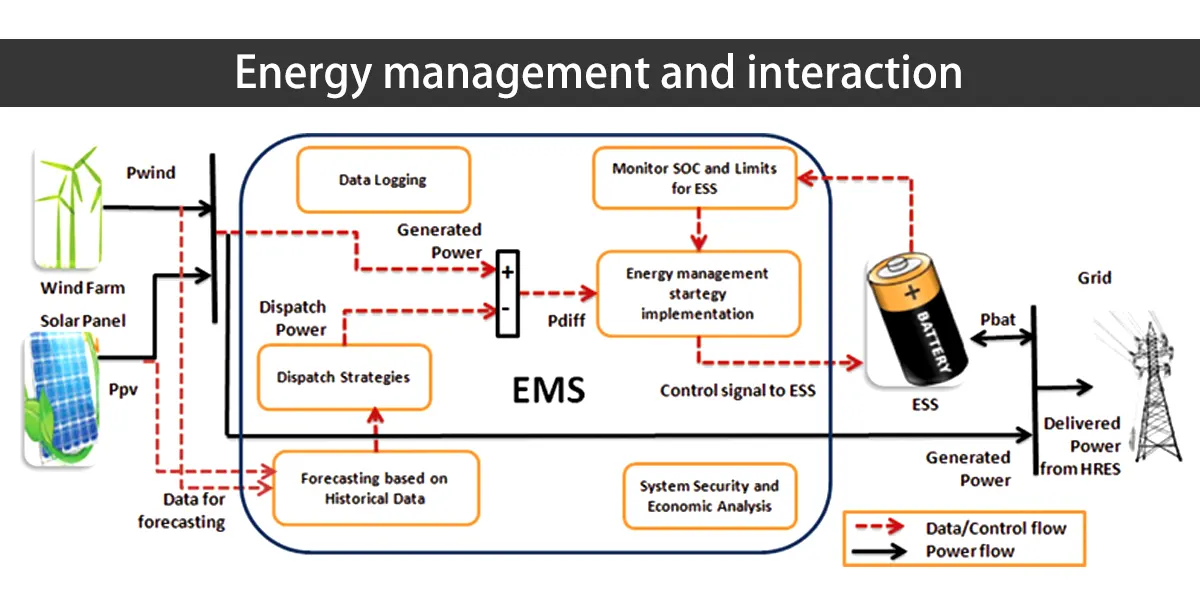
    Industrial and commercial energy storage systems are often combined with renewable energy systems such as solar power generation systems and wind power generation systems to form a comprehensive distributed energy system. Through intelligent energy management systems, effective monitoring and control of energy is achieved.

    The energy storage power station system plays a more important dispatching and balancing role in the power system and can smooth the fluctuations of different energy sources. Through the interaction of the power system, it can participate in the power market and provide auxiliary services, such as capacity market, reserve market, etc.Energy management and interaction
    Environmental protection and sustainability

    Industrial and commercial energy storage systems can help reduce carbon footprints and improve energy sustainability at the corporate level. It helps achieve corporate energy management goals and environmental commitments.

    Energy storage power station systems have more significant environmental benefits for the entire power system and can promote the large-scale application of renewable energy. It contributes to achieving the goals of decarbonization and sustainable development of the power system.

    Regulatory Compliance

    Commercial and industrial energy storage systems are relatively easy to comply with regulations because they are smaller and have less impact on regulators. It always follows general electricity and energy management regulations.

    Energy storage power station systems need to more closely comply with power industry regulations, including power market rules, energy market regulations, etc. Affected by a more complex regulatory environment, more detailed planning and compliance considerations are required.

    Conclusion

    To sum up, there are significant differences between industrial and commercial energy storage systems and energy storage power station systems in terms of scale, application, configuration, and functions. Industrial and commercial systems meet localized needs and focus on improving efficiency and reducing costs for individual users, while power station systems are larger in scale and provide key services for the stability and reliability of the power grid ESS.

    The former uses mature technologies to achieve short-term economic benefits, often combined with renewable energy, while the latter has diverse configurations and advanced control systems, requiring greater capital investment and compliance with complex regulations. Both contribute to sustainable development, with commercial systems benefiting individual businesses and power station systems promoting renewable energy on a wider scale. The choice depends on factors such as scale, application requirements, regulatory considerations and long-term economic goals.

    logo+86 – 18925002618
    [email protected]
    Guangpu West Road, Huangpu, Guangzhou, Guangdong, China

    Product

    Video Gallery

    Huntkey automated battery storage workshop process
    Huntkey Grevault participated in Germany ESE exihition with 5KW mobile power bank
    Contact Form Demo
    Scroll to Top