
In the midst of the rapid development of renewable energy, energy storage is an important topic that cannot be overlooked. Solar and wind power can produce clean electricity, but unfortunately, they are highly dependent on the weather. This is where energy storage technology plays a big role in keeping electricity available whenever it is needed.
One of the most talked about solutions is Lithium-Ion Battery Storage. This type of battery is already widely used, from our everyday smartphones, to electric cars and large-scale energy storage systems. This is because Lithium-Ion Battery Storage makes renewable energy more practical and reliable. But what exactly is lithium battery storage?
In this article we will discuss what is lithium battery storage? And why this technology is widely used today. Let’s dive deeper
What is Lithium-Ion Battery Storage?
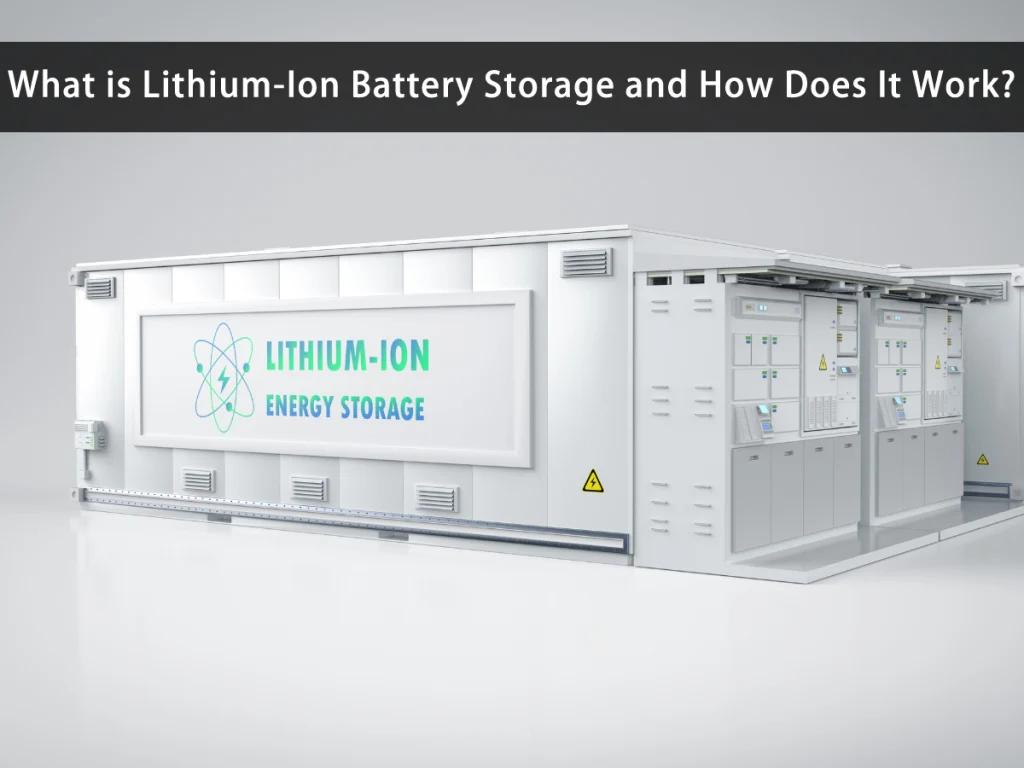
The question that may often be asked by users is about what is lithium-ion battery storage? The answer is an energy storage technology that uses lithium-ion batteries to store electricity and release it again when needed.

In everyday life, lithium-ion batteries are often found in smartphones, laptops or electric vehicles. Well actually the principle of lithium battery storage is the same. The only difference is that the size is much larger.
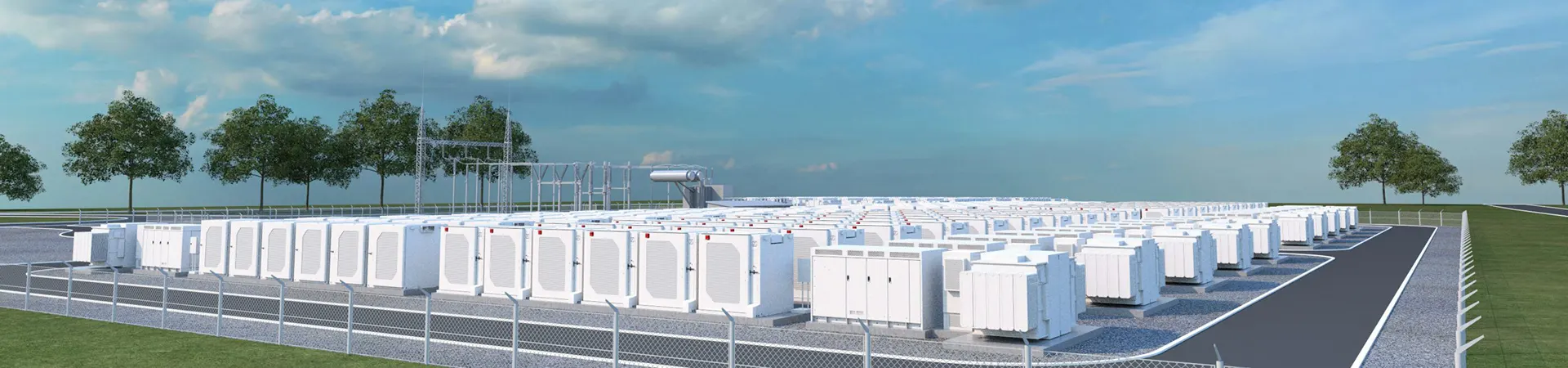
Lithium energy storage works by the way electricity from solar panels or wind turbines can be stored first, then used at night, during cloudy weather, or when the main electricity supply is interrupted. Therefore, lithium-Ion battery storage is not just a battery, but an energy storage that makes renewable resources more practical and reliable.
How Does Lithium-Ion Battery Storage Work?
Now that we have learned What is Lithium-Ion Battery Storage, now it is time to get into how it works. The principle is actually quite simple, lithium-ion batteries store energy by moving lithium ions back and forth between the anode and cathode through an electrolyte.

When the battery is charged, lithium ions move from the cathode to the anode. Then when energy is used, the ions return to the cathode while releasing electricity that can be directly utilized.
To ensure all processes run safely and efficiently, the system is equipped with a Battery Management System (BMS). This BMS ensures that the battery does not overcharge, does not overheat, and the energy in and out remains stable. So, without BMS, Lithium-Ion Battery Storage would not be able to work optimally or last long
Advantages of Lithium-Ion Battery Storage
Now that we know what is Lithium-Ion Battery Storage, the question must arise: why is this technology so popular? The answer is because lithium-ion has many features that make it superior to other types of batteries.
Firstly, they are notoriously efficient. The energy that has been stored can be used again without much waste. Secondly, they are also quite long-lived, so they can be used for years before needing to be replaced.

In addition, the shape is compact, but the capacity is large. So, despite its small size and light weight, it can store quite a lot of energy. Plus, the charging process is relatively quick and hassle-free for daily maintenance.
That is why many people, from homeowners to large companies, choose lithium-ion as an energy storage solution. With all its advantages, it is only natural that Lithium-Ion Battery Storage is often referred to as the most reliable battery technology today.
Covered this in detail in Lithium battery energy density
Disadvantages of Lithium-Ion Battery Storage
After learning the definition and advantages of What is Lithium-Ion Battery Storage? Now is the time to know the other side of Lithium-Ion Battery Storage. This is because, this technology is not perfect, so it is also important to know its shortcomings before using it.
The first is the price. Lithium-ion is still expensive compared to some other types of batteries, so it requires a hefty initial investment. Secondly, despite their long lifespan, these batteries still have a cycle limit. Over time, their capacity will decrease and eventually need to be replaced.

In addition, lithium-ion is also quite sensitive to temperature. If they are exposed to excessive heat or not managed properly, their performance can drop quickly. Because of this, the system is usually equipped with safeguards such as BMS to keep it stable.
So, although the definition of What is Lithium-Ion Battery Storage? shows many advantages, users must also understand the risks in order to use it more safely and durably.
For a deeper understanding, check out our guide on battery life cycle
Applications of Lithium-Ion Battery Storage
Having understood What is Lithium-Ion Battery Storage, let’s now look at its various applications in everyday life:

- Gadgets & Electronics
Almost all smartphones, laptops and digital cameras use lithium-ion batteries because they are lightweight, practical and durable. - Electric Vehicles
Lithium-ion batteries are the first choice in electric vehicle. This is because they can store large amounts of energy in a compact size. - Home & Business
Lithium-ion batteries are widely used for energy storage systems from solar panels to keep electricity available at night or during blackouts. - Grid-Scale Storage
Is used in renewable energy storage and modern power grids to balance supply and demand.
From this, it can be seen that Lithium-Ion Battery Storage is not just limited to small devices, but has penetrated into large sectors that support the clean energy transition.
Comparison with Other Battery Energy Storage Methods
After we know what is lithium-ion battery storage, it is also important to compare it with other energy storage technologies. Each type of battery has its own advantages and disadvantages:

- Lead-Acid Battery
Cheaper and long-used, but shorter lifespan and larger size and weight than lithium-ion. - Flow Battery
Suitable for large-scale storage with expandable capacity, but the initial cost is high and the efficiency is lower than lithium-ion. - Sodium-Ion Battery
The raw materials are more abundant and the price is cheaper, but it is still in the development stage and the performance is not as good as lithium-ion.
Of all the options out there, lithium-ion battery storage proves to be the most widely used as it is efficient, compact, and reliable.
Learn more in our article on Lithium batteries vs Flow Batteries
Maintenance and Safety Tips for Lithium-Ion Battery Storage
Now that you know what is lithium-ion battery storage, it is also important to know how to take care of it so that it lasts longer and stays safe to use. This can be done easily if you follow these basic tips:

- Avoid extreme temperatures
Do not put the battery in a place that is too hot or too cold, because it can make its performance drop quickly. - Use appropriate chargers and devices
Using the wrong equipment or accessories can slowly damage the battery over time. - Do not overcharge
Although there is a BMS that protects, excessive charging habits can still shorten battery life. - Store properly
If rarely used, store the battery in a dry place with about 40-60% power remaining. - Check regularly
Especially for large-scale systems, make sure there are regular checks to keep the battery safe and stable.
With this simple maintenance, lithium-ion battery storage can be used longer while minimizing risks.
Learn more in our article on How should solar batteries be stored?
Conclusion
After learning about what is lithium-ion battery storage, we can see that this technology is actually very close to everyday life. From charging cellphones, storing energy from solar panels at home, to being used in electric cars. All need the role of lithium-ion to keep electricity ready at any time.
There are pluses and minuses, but with simple maintenance, this battery can be durable and remain safe. That is why lithium-ion is now the first choice for many people and many industries. The point is, it is not just about advanced technology, but also practical solutions that make life easier in today’s electric era.
FAQS
Lithium-Ion batteries usually last around 10 to 15 years, depending on how often you use and charge them. They are generally more durable than older types like lead-acid batteries.
In terms of safety, Lithium-Ion batteries are pretty reliable. As long as you take care of them by avoiding extreme heat or bumps, they will be fine, and most systems already have built-in safety features.
The cost really depends on the battery’s size and capacity. For a home setup, it can range from a few thousand to tens of thousands of dollars, but local incentives or rebates can help make it more affordable.


 +86 – 18925002618