energy storage system

Complete knowledge about 18650 battery cells

Complete knowledge about 18650 battery cells
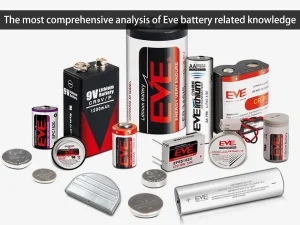
18650 battery cells stand out among many battery cell types with their precise standard size of 18650 mm and classic cylindrical appearance. This kind of battery core has been widely used in various electronic equipment due to its mature production technology and reliable performance.
Table of Contents
    Add a header to begin generating the table of contents

    In the past, we introduced the basic knowledge and technical details of cylindrical batteries to you in detail through popular science columns.

    Today, we once again focus on 18650 battery cells, discussing in depth its specific characteristics and important role in modern energy solutions.

    As a key component of new energy technology, 18650 battery cells not only improve the overall efficiency of energy storage systems, but also promote the innovative development of industries such as portable electronics and electric vehicles. Next, let us explore the characteristics of 18650 battery cells and its application prospects in the global energy storage market.

    YouTube_play_button_icon_(2013–2017)

    1.18650 battery cells brief introduction

    18650 battery cells are a widely used rechargeable cylindrical lithium-ion battery. The battery is named for its size characteristics, which are approximately 18 mm in diameter and 65 mm in length, with the “0” at the end indicating that it is cylindrical. 18650 battery cells are favored in many fields due to their high energy density, long life and stable discharge characteristics. Here is more knowledge about battery performance.

    2. Development history of 18650 battery cells

    • 1991: Sony commercializes the first lithium-ion battery, marking the beginning of the modern rechargeable battery era.
    • 1996: Panasonic launched the first 18650 battery cells, which later became the mainstream of the lithium-ion battery market.
    • 2006: Tesla Motors released its first electric car, the Roadster, which used a large-capacity battery pack composed of thousands of 18650 battery cells.
    • 2010: Tesla launched the Model S, using a battery pack composed of larger capacity 18650 battery cells to achieve a longer cruising range.
    • 2013: It was announced that Panasonic and Tesla would cooperate to establish the Gigafactory, specializing in the production of 18650 battery cells to meet the needs of Tesla electric vehicles. Here are more authoritative interpretations of Tesla Power wall alternatives.
    • 2015: Manufacturers such as LG Chem and Samsung SDI began to launch higher-capacity 18650 battery cells, providing longer cruising range and higher energy density.
    • 2017: It was announced that Tesla would cooperate with Panasonic to develop a larger capacity 21700 battery cell and use it for the first time in Model 3.
    • 2018: Tesla announced that it would build its own Gigafactory in Shanghai, China, to produce 18650 battery cells and 21700 battery cells to meet market demand. If you want to know more about Tesla, please click on tesla powerwall price.
    • 2020: With the rapid growth of the electric vehicle market and the popularity of renewable energy, 18650 battery cells continue to be widely used in electric vehicles, energy storage systems and portable electronic devices.
    • 2021: Some battery manufacturers begin to launch 18650 battery cells with higher capacity and higher energy density to meet growing demand and improve battery performance.

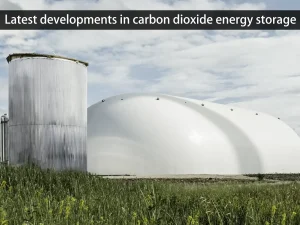
    Carbon dioxide energy storage is a new long-term energy storage technology

    3.18650 battery cells material system

    As the mainstream form of cylindrical lithium-ion batteries, 18650 battery cells have a very rich material system. We will not list the materials separately according to the types of 18650 battery cells.

    The material system of lithium batteries mainly involves positive electrode materials, negative electrode materials, electrolytes and separators. The following are the material systems used in these major parts:

    • Cathode material

    Lithium cobalt oxide (LiCoO2): A widely used material in early lithium-ion batteries, providing higher energy density, but higher cost and poor thermal stability.

    Lithium nickel manganese cobalt oxide (LiNiMnCoO2, referred to as NMC): balances energy density, cost and safety, and is widely used in electric vehicles and portable electronic devices.

    Lithium Nickel Cobalt Aluminum Oxide (LiNiCoAlO2, NCA for short): Provides high energy density and is often used in applications requiring high performance, such as certain models of electric vehicles.

    Lithium iron phosphorus (LiFePO4, referred to as LFP): It has good thermal stability and long life, but has relatively low energy density and is suitable for applications with high safety requirements.

    Lithium manganese oxide (LiMn2O4, referred to as LMO): has better power characteristics and thermal stability, but shorter cycle life.

    • Negative electrode material

    Graphite: The most commonly used negative electrode material, it is widely used because of its good stability and low cost.

    Hard Carbon: Has higher first-pass efficiency and better power characteristics than graphite and is often used in special applications.

    Lithium titanium oxide (Li4Ti5O12, referred to as LTO): Provides excellent cycle stability and safety, but has low energy density.

    • Electrolyte

    Electrolyte

    It is composed of lithium salt (such as lithium hexafluorophosphate LiPF6) dissolved in one or more organic solvents (such as EC: ethyl carbonate, DEC: diethyl carbonate, DMC: dimethyl carbonate, etc.).

    • Diaphragm

    Mainly made of polyolefin materials, such as polypropylene (PP) and polyethylene (PE), they exist in multi-layer or single-layer forms to isolate the positive and negative electrodes while allowing lithium ions to pass through.

    These different material systems affect the performance of 18650 battery cells, including energy density, power density, cycle life, safety and cost. Different applications have different requirements for these parameters, so various factors need to be weighed when designing cells to meet specific needs.

    As technology develops, new materials and compounds are being researched to further improve the performance and safety of battery cells. If you are interested in energy storage manufacturers worldwide, please click on bess manufacturing company for more related information.

    4.Application fields

    • Electrical tools

    18650 battery cells are widely used in power tools, such as electric drills, electric screwdrivers, electric saws, etc. Its high energy density and high discharge power enable power tools to provide long-lasting use time and efficient working performance.

    If you want to know more about other mainstream batteries, click on top 10 high capacity battery cell for information.

    • Electric vehicle

    18650 battery cells are one of the main battery options for electric cars and e-bikes. Able to provide long driving range and reliable performance due to its high energy density and long cycle battery life cycle.

    As mentioned above, tesla model s took the lead in assembling 18650 battery cells into a power battery pack to provide energy for new energy vehicles.

    • Portable electronic devices

    18650 battery cells are widely used in portable electronic devices, such as laptops, tablets, mobile phone power banks, etc. Their relatively large capacity and rechargeable nature allow these devices to provide long-lasting use and can be recharged for use again.

    It can be seen from the disassembly case of the charging head network that the zimi 10 pro has a built-in 3-string battery pack, which reduces the battery terminal current for high-power output and optimizes the conversion efficiency during high-power output.

    Here is more information about batteries in series and parallel. Built-in solid capacitors can provide better filtering and reduce high-frequency noise. Built-in nanxin sc8815 synchronous rectification boost and buck controller, the i2c bus controls the output voltage, which is more accurate and stable.

    Jiehuat’s synchronous step-up and step-down chip is used to provide fast charging for the usb port during pd fast charging, which greatly increases the practicality. The usb hub is retained, which is quite friendly to users who power laptops.

    • Energy storage system

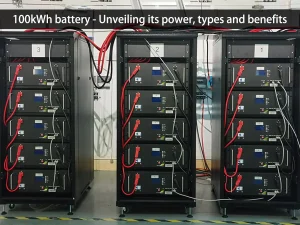
    With the rapid development of renewable energy, energy storage systems have become a key component. 18650 battery cells are widely used in energy storage systems to store electrical energy from renewable energy sources such as solar and wind energy for use during the day or during non-window periods.

    • Consumer electronics

    18650 battery cells are also used in other consumer electronics products, such as handheld game consoles, electronic cigarettes, drones, etc. Their high energy density and rechargeable nature allow these products to provide long-lasting use and stable performance.

    Construction of battery storage power stations

    Related posts

    logo+86 – 18925002618
    [email protected]
    Guangpu West Road, Huangpu, Guangzhou, Guangdong, China

    Product

    Video Gallery

    Huntkey automated battery storage workshop process
    Huntkey Grevault participated in Germany ESE exihition with 5KW mobile power bank
    Contact Form Demo
    Scroll to Top