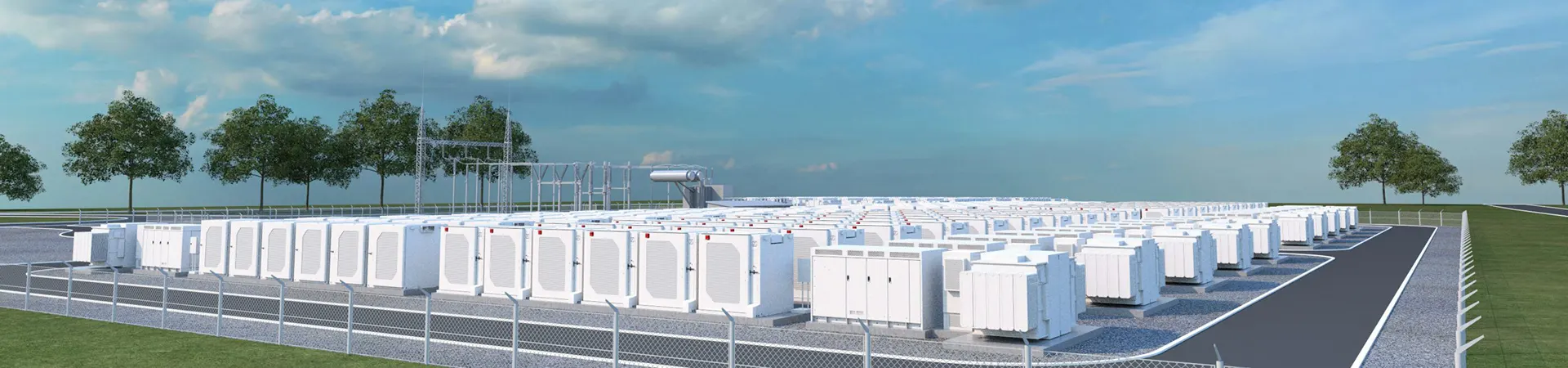


When talking about backup power systems, two terms often come up: UPS vs Battery Storage. Both are designed to provide electricity when the main power supply fails, but their functions and applications are actually quite different.
A UPS (Uninterruptible Power Supply) provides instant power backup to protect sensitive devices like computers or servers from sudden outages. Meanwhile, Battery Storage Systems are built for larger-scale energy storage, often used in homes or solar power setups to store electricity for later use.
This comparison of UPS vs Battery Storage will help users understand how each system works, their main differences, and which one is more suitable depending on the purpose. Let’s explore both in detail.
What is a UPS and How Does It Work?
A UPS (Uninterruptible Power Supply) is a power device that provides instant electricity when the main source suddenly goes off. It acts as a safety buffer that keeps your equipment running smoothly, preventing data loss or damage caused by power interruptions.

Inside a UPS energy storage, there is a built-in battery that automatically turns on the moment power from the grid is lost. This change happens instantly, allowing sensitive devices such as computers, routers, and medical tools to keep operating without any pause.
In the comparison of UPS vs Battery Storage, a UPS is designed for short-term protection and quick response. It ensures that electricity flows continuously, even if only for a few minutes, giving users enough time to save data or safely shut down their systems.
What is Battery Storage and How Does It Function in Energy Systems?
A Battery Storage System is a technology that stores electricity for later use. It plays a key role in modern energy systems, especially in renewable energy setups like solar power. The stored energy can be used when the grid power is unavailable or during peak hours when electricity costs are higher.

Unlike a UPS that provides short-term backup, battery storage offers long-term energy supply. It can power homes, businesses, or even industrial systems for several hours depending on the battery capacity. This makes it highly useful for maintaining energy independence and improving efficiency.
In the discussion of UPS vs Battery Storage, battery storage stands out as a larger and more flexible system. It is not only for emergency use but also helps balance energy usage and reduce dependence on the main grid.
Learn more in our article on Solar battery storage systems
Main Differences Between UPS vs Battery Storage Systems Explained
Although both systems deal with backup power, UPS vs Battery Storage have clear differences in terms of purpose, capacity, and usage. Here are the main distinctions:

- Function A UPS provides immediate backup power to prevent downtime or data loss, while battery storage focuses on storing energy for later use over longer periods.
- Duration UPS units usually last only a few minutes to an hour, just enough to safely shut down equipment. Battery storage can supply electricity for several hours or even days depending on its size and configuration
- Application UPS is mostly used for electronic devices, offices, and data centers. Battery storage is commonly applied in homes, solar systems, and large-scale energy management
- Capacity UPS systems have smaller built-in batteries designed for short use. Battery storage systems have higher capacity and can handle heavy loads for extended periods. For a deeper understanding, check out our guide on battery maintenance
- Integration Battery storage can work with renewable energy sources like solar panels, while UPS typically relies on the main grid.
Performance Comparison: UPS vs Battery Storage in Real-Life Scenarios
When comparing UPS vs Battery Storage in real-life applications, their performance depends on how and where they are used. Each system has strengths that make it ideal for specific situations.
- Response Time
UPS reacts instantly when power is lost, ensuring there is no interruption at all. Battery storage takes slightly longer to activate, but it can sustain power for much longer durations. - Power Capacity
UPS systems are designed for short-term loads, suitable for computers, routers, or office equipment. Battery storage offers higher capacity, capable of running household appliances or solar systems for several hours. - Energy Efficiency
Battery storage is more efficient for long-term use because it can charge and discharge repeatedly without depending on the grid. UPS, on the other hand, focuses more on immediate backup rather than energy management - System Flexibility
Battery storage can be integrated with solar panels or smart energy systems. UPS units are usually standalone and serve a single protection purpose.
Overall, the UPS vs Battery Storage comparison shows that UPS is best for quick response and device protection, while battery storage performs better for extended and sustainable energy backup.
Pros and Cons of UPS vs Battery Storage Solutions
When comparing UPS vs Battery Storage, both systems have their own strengths and weaknesses. Understanding these helps users choose the right solution based on their needs and budget.

UPS (Uninterruptible Power Supply)
Pros:
- Provides instant power backup with zero delay
- Protects sensitive equipment from sudden outages or voltage drops
- Easy to install and requires minimal setup
Cons:
- Limited backup duration, usually only a few minutes to an hour
- Smaller capacity not suitable for large-scale energy needs
- Requires frequent battery replacement due to shorter lifespan
Battery Storage System
Pros:
- Offers long-term energy supply and higher capacity
- Can be integrated with solar or renewable energy systems
- Helps manage electricity usage and reduce grid dependence
Cons:
- Higher initial cost compared to UPS
- Installation process can be more complex
- Requires regular monitoring and maintenance for optimal performance
In short, the UPS vs Battery Storage comparison highlights that UPS excels in short-term protection, while battery storage provides long-lasting and flexible energy solutions.
Explore more about this in our dedicated post on Home Standby Generators vs Battery Backup Systems
Which One Should You Choose: UPS or Battery Storage?
Choosing between UPS vs Battery Storage depends on how you plan to use the system and how much power backup you need. Each serves a different purpose, so identifying your priorities makes it easier to decide.

- Choose a UPS if:
You need instant protection for sensitive equipment such as computers, routers, or medical devices. UPS is perfect for short-term backup and preventing sudden shutdowns. It’s ideal for offices, data centers, or areas where power interruptions could cause data loss. - Choose Battery Storage if:
You want a long-lasting power source that can support multiple devices or an entire home. Battery storage is also a great choice if you use solar energy and need to store excess electricity for nighttime or emergency use.
In conclusion, UPS offers quick, reliable protection for short durations, while battery storage provides larger and more sustainable energy capacity. For some users, combining both systems can deliver the best of both worlds, UPS for instant response and battery storage for extended backup power.
Maintenance and Best Practices for UPS vs Battery Storage
To ensure long-lasting performance, both systems in the UPS vs Battery Storage comparison need proper care and regular maintenance. While their maintenance routines differ, the goal is the same And keeping the power backup reliable and efficient.

For UPS Systems:
- Check the battery health regularly to make sure it can deliver power instantly when needed.
- Keep the device in a cool, dry, and dust-free environment to prevent overheating.
- Replace the internal battery every few years or according to the manufacturer’s recommendation.
- Test the UPS periodically to ensure seamless switching during power loss.
For Battery Storage Systems:
- Monitor battery performance and state of charge using the system’s software or monitoring app.
- Maintain proper ventilation and avoid extreme temperatures to extend battery life.
- Keep the Battery Management System (BMS) updated to improve efficiency and safety.
- Schedule professional inspections to check cables, terminals, and overall system condition.
Conclusion
Both systems in the UPS vs Battery Storage comparison play an important role in providing backup power. A UPS offers immediate response and protects sensitive devices from sudden outages, making it perfect for short-term use. On the other hand, battery storage delivers longer and more flexible energy support, ideal for homes, businesses, and renewable energy systems.
Choosing between the two depends on your power needs. If you only need quick protection for essential electronics, a UPS is more than enough. But if you want a system that can store and manage electricity for hours or even days, battery storage is the smarter investment.
FAQS
No, a UPS cannot replace battery storage. A UPS is made for short-term backup to protect devices from sudden power loss, while battery storage is designed for long-term energy supply and larger capacity needs. Each plays a different role in the UPS vs Battery Storage system.
Yes, battery storage systems are generally more expensive upfront because they offer higher capacity and longer operating time. However, they can save more money in the long run by improving energy efficiency and supporting renewable energy sources.
Yes, UPS and battery storage can be used together to provide both instant and long-term power support. In this setup, the UPS handles quick response during sudden outages, while the battery storage system delivers extended energy backup afterward. This combination makes UPS vs Battery Storage a powerful and reliable energy solution.


 +86 – 18925002618