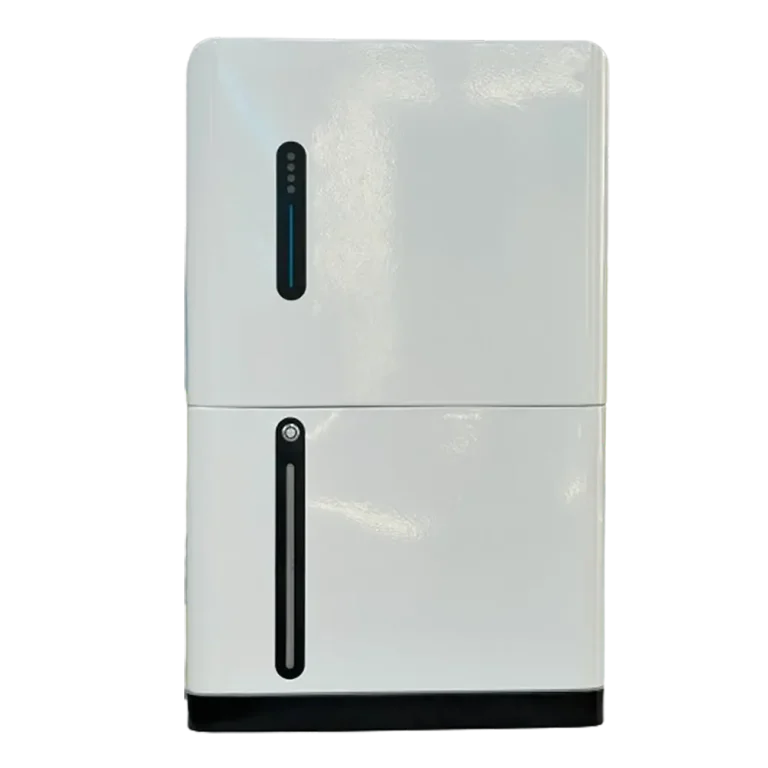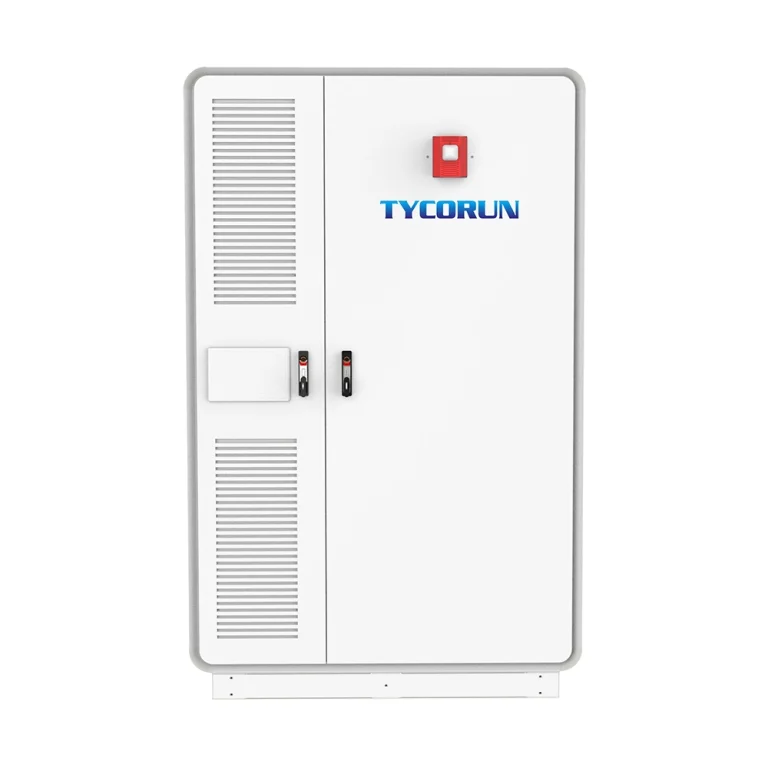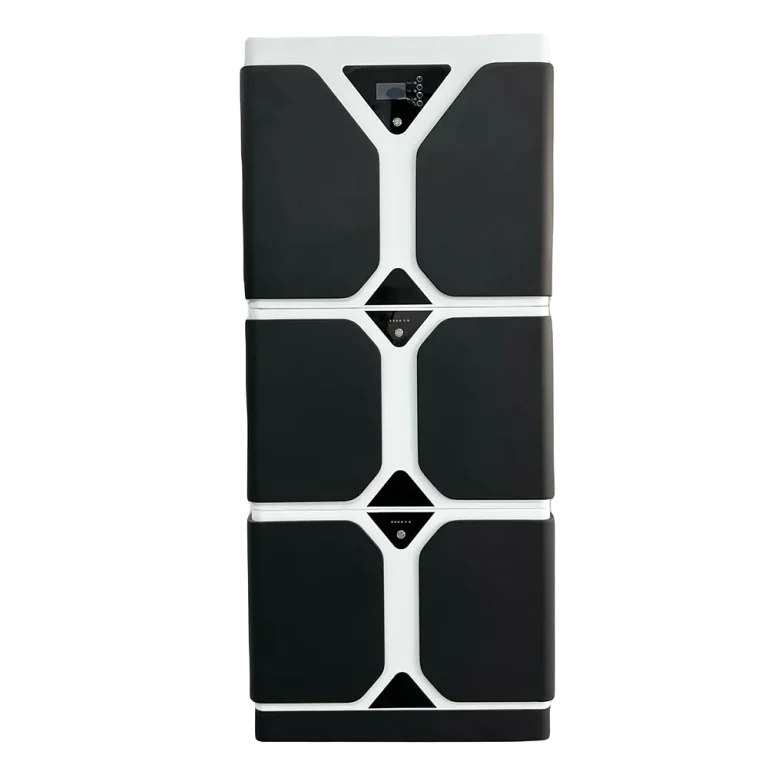



Lithium batteries have become an essential part of everyday life. Almost all modern devices, such as smartphones, laptops, digital cameras, power banks, and solar energy storage systems, use lithium batteries. This battery was chosen because it has the advantage of being compact but can store large amounts of energy.
However, behind its advantages, this type of battery can cause danger. This can happen when the lithium battery is no longer usable. Many people still don’t know how to dispose of lithium batteries properly. Because if the lithium battery is disposed of carelessly, it can pose a risk of fire, explosion, and environmental pollution. Therefore, it is very important to know how to dispose of it properly.
In this article, we will discuss how to dispose of lithium batteries, from the right steps to temporary storage tips. Let’s dive deeper.
What are Lithium Batteries?
Before we start to our main discussion, that is how to dispose of lithium batteries. Users must first understand what a lithium battery is? So, lithium battery is a type of battery that uses lithium ions as the main medium for storing and releasing electrical energy.

This type of lithium battery is usually found in modern devices such as cellphones, electric vehicles to energy storage systems. Lithium is popular because it has advantages in light weight, has a long durability, and can store greater energy. In addition, this battery can also be recharged so that the usage cycle is quite a lot.
Learn more in our article on lithium battery cells
Why Proper Disposal of Lithium Batteries is Important
Lithium batteries are widely used nowadays. But what happens to a lithium battery that is no longer in use? And do users know how to dispose of lithium batteries properly? Because, if it is not done properly, it can cause serious problems.

Here are some reasons why users should Properly Dispose of Lithium Batteries:
1. Protecting the Environment
In lithium-ion batteries, there are several harmful substances such as nickel cobalt and lead. if allowed to be disposed of carelessly, these substances can pollute the environment when absorbed by soil and water.
2. Prevent Fire Hazards
This type of lithium battery has flammable properties when exposed to excessive pressure or temperature. So, if a damaged lithium battery is disposed of carelessly, for example mixed with household waste. This battery can be depressed or exposed to high temperatures and eventually cause a short circuit that can cause a fire.
3. Maintain Human Health
Hazardous substances in the battery, if inhaled by humans can cause respiratory problems. Then if the battery is broken, and harmful chemicals get on the skin, it can cause irritation.
4. Resource Reutilization
Although it was explained earlier that there are harmful chemicals in lithium batteries. But they are valuable materials such as lithium and cobalt that can be recycled. Because with recycling, this material can be reused and is more environmentally friendly.
Looking for more insight? Read our full write up on lithium ion battery safety.
Steps: How to Dispose of Lithium Batteries Safely
Now that we understand the reasons why we should dispose of batteries properly. Now it is time to get into our main discussion which is how to dispose of lithium batteries Safely? Here are the steps that users can take:

1. Identify the Lithium Battery
The first thing users should do is to make sure the battery being disposed of is a lithium battery. Because each type of battery has a different way of disposing. How to ensure the type of battery by finding the Lithium-ion (Li-ion) or Lithium-metal label on the battery body.
2. Do not Dispose of in Regular Trash
One of the main rules in how to dispose of lithium batteries safely is not to mix batteries with household waste. This could lead to fire or damage to soil and water.
3. Protect the Terminal End of the Battery
Users should cover the metal part or terminal end of the battery. This is because, if the battery metal rubs against other metals, it can cause a short circuit.
4. Store in a Safe Place Before Disposal
lithium batteries have a risk of ignition or explosion due to extreme temperature changes or pressure. Therefore, before disposing of this battery, it must be placed in a safe, cool place and away from flammable materials
5. Find an Authorized Recycling Facility
To avoid littering, the best way in how to dispose of lithium batteries, is to take the batteries to an electronic recycling center. Alternatively, users can also take them to a hazardous waste management facility.
6. Join a Local Collection Program
Many cities or companies provide special e-waste collection programs. You can take advantage of drop boxes in shopping centers or pick-up services to ensure batteries are handled properly.
7. For Bulk Batteries (Industrial/EV)
If you manage large-scale batteries, for example from electric or industrial vehicles, do not dispose of them yourself. Contact a licensed recycling service provider that has the technology and facilities to manage large capacity lithium batteries.
By following the how to dispose of lithium batteries safely guide, users not only protect themselves, but also help protect the environment and reuse valuable resources.
Recycling Options for Lithium Batteries
Now that you know how to dispose of lithium batteries safely. Now it is time for users to know that there is another option, which is to recycle the battery. This is because lithium batteries contain valuable materials such as lithium, cobalt, and nickel. These materials can be reused when recycled. Here are some options that can be done:

1. Drop-off at Electronic Recycling Centers
These electronic recycling centers accept used lithium batteries. These used batteries will be subjected to procedures to separate hazardous materials and valuable metals for reuse.
2. Collection Program from Electronics Stores
Some electronics stores provide a used battery program. So that users can submit used batteries by name.
3. Hazardous Waste Management Facility
Since lithium batteries are considered hazardous waste, a hazardous waste management facility may be the right choice. They have the technology to handle this waste according to safety standards.
4. E-waste Pick-up Service
In addition, to taking it to an authorized disposal site. In some areas, there are already e-waste pick-up services. These used batteries will later be reprocessed. So, this can make it easier for users to dispose of batteries and play a role in protecting the environment.
Covered this in detail in lithium ion battery recycling
Tips for Temporary Storage Before Disposal
Before doing how to dispose of lithium batteries properly, users must know how to storing lithium batteries safely and correctly. Here are some tips that you can follow:

1. Store in a Dry and Cool Place
Direct sunlight on the battery or a very humid place can accelerate battery damage. Therefore, before disposal, the battery must be stored in a dry and cool place
2. Separate from Metal Objects
Batteries should not be stored together with keys, coins or other objects that have metal. This is because friction between metals can cause a short circuit that can trigger a fire.
3. Use a Closed Container
To avoid the battery being exposed to friction or pressure from other objects. Users can store batteries in a strong and tightly closed container.
4. Label Damaged Batteries
If the battery looks bulging, leaking, or damaged, label it “Damaged Battery” to make it easier to recognize when taken to the recycling center.
By storing in the right place, the process of how to dispose of lithium batteries will be safer and environmentally friendly.
Common Mistakes to Avoid When Disposing Lithium Batteries
After knowing how to dispose of lithium batteries correctly. We now know what mistakes users usually make when disposing of lithium batteries. Here are the mistakes that should never be made again:

1. Dispose of in Regular Trash
Because lithium batteries contain harmful chemicals, users should not dispose of batteries with household garbage. This may cause environmental pollution.
2. Burning the Battery
High temperatures can make lithium-ion batteries explode and release harmful chemicals. Therefore, it is not allowed to dispose of batteries by burning Never try to burn a lithium battery.
3. Storing in Large Quantities Without Protection
If users have a lot of used lithium batteries. Try not to stack these batteries. Because by stacking batteries and triggering friction that will cause danger. Therefore, lithium batteries must be placed in a special container.
4. Not Closing Battery Terminals
After knowing that friction between metals can cause a short circuit and trigger sparks. Therefore, users should cover the metal ends or battery terminals using insulation or tape.
By avoiding the mistakes above, you can ensure the process of how to dispose of lithium batteries becomes safer, and correct, and environmentally friendly.
Learn more in our article on battery maintenance.
Conclusion
Lithium-ion batteries are being widely used today. This is because lithium batteries have many advantages such as light weight and can store large amounts of energy. But behind these advantages, this battery can be a serious problem when it is no longer used.
Lithium batteries contain harmful chemicals, therefore users must know how to dispose of lithium batteries properly. Such as by storing the battery in a safe and cool place before disposal. Then store it using a special container. In addition, to dispose of batteries, users can bring their used batteries to an authorized facility.
By understanding how to dispose of lithium batteries properly. Users not only protect themselves but also play a role in maintaining a cleaner environment.
FAQS
No, lithium batteries should not be thrown into regular trash. The chemicals in them can pollute the environment and pose a fire risk. The proper way is to follow the guidelines on how to dispose of lithium batteries by taking them to an authorized recycling facility or e-waste program.
You can recycle lithium batteries at electronic recycling centers, hazardous waste facilities, or drop boxes available at some electronics stores. Some cities even provide e-waste collection services to make the recycling process easier..
It is best not to store used lithium batteries for too long. Store them in a dry, cool place away from metal objects or heat sources. For safety, immediately bring it to the recycling center so that the process of how to dispose of lithium batteries is faster and avoids the risk of leakage or short circuit.


 +86 – 18925002618